
When considering what type of bag is best for travel, a carry-on backpack is the top choice for most, as it balances mobility with storage. This applies to trips under two weeks; for longer stays, a larger checked suitcase is necessary.
The best travel bag type
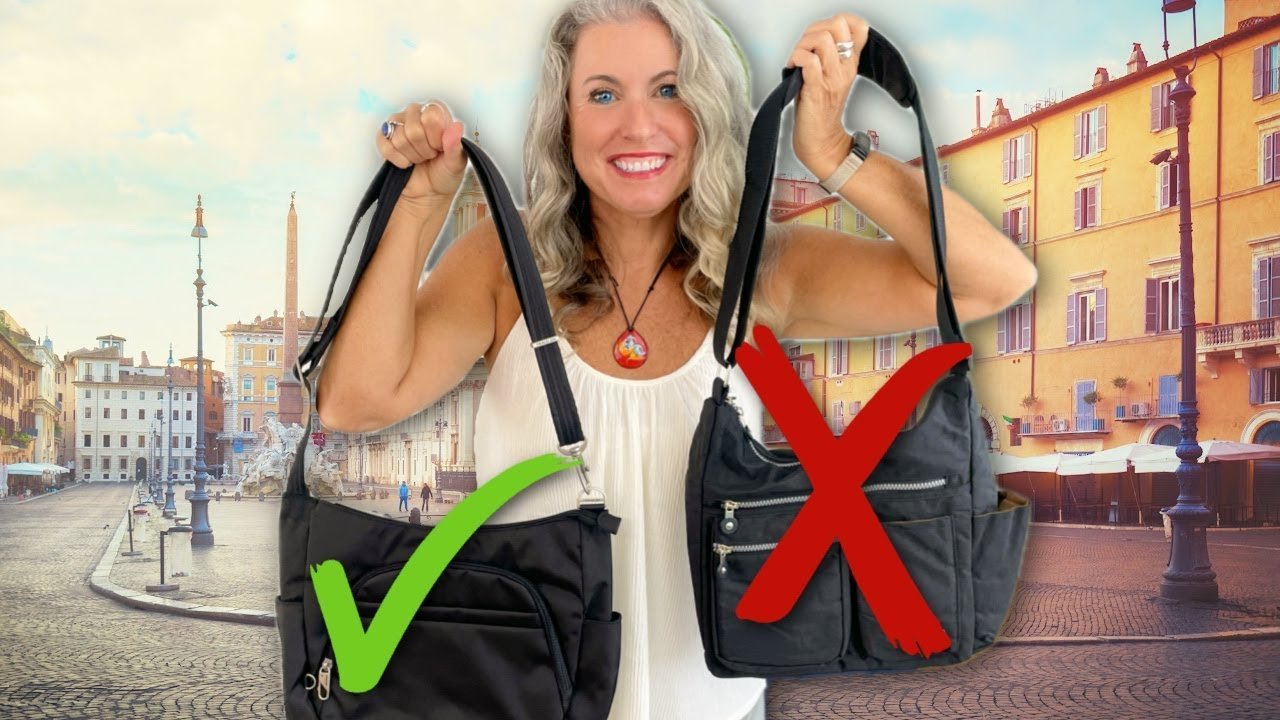
- Choose a 40-liter capacity backpack to stay within standard airline carry-on limits.
- Check the TSA carry-on size guidelines before you buy to ensure your bag fits in the overhead bin.
- Prioritize bags with internal compression straps to keep your clothes from shifting during transit.
- If you have back pain, switch to a four-wheeled spinner suitcase for easier maneuverability on flat floors.
- Always measure your bag’s dimensions including the wheels and handles, not just the main compartment.
- Look for weather-resistant fabric like nylon or polyester to protect your belongings from rain and spills.
Why mobility matters for your luggage
The primary reason to choose a backpack over a suitcase is the freedom of movement it provides in crowded environments. When you navigate train stations, cobblestone streets, or crowded city sidewalks, a bag that stays on your back keeps your hands free and your gait natural. Suitcases, while convenient on smooth airport floors, often become heavy liabilities when you encounter stairs or uneven terrain.
The weight distribution of a properly fitted backpack allows you to carry more for longer distances without straining your shoulders or back. This varies by model — check the label for the specific torso length and weight capacity, as a bag that doesn’t fit your frame will cause discomfort regardless of its features. If you’re walking long distances between transport hubs, a backpack is the superior choice; if you’re moving strictly between hotels and taxis, a suitcase is a viable alternative.
When the answer is different
| Situation | What changes | What to do instead |
|---|---|---|
| Business travel | Professional appearance | Use a structured garment bag |
| Medical needs | Heavy equipment | Use a wheeled hard-shell case |
| Winter climates | Bulkier clothing | Use a larger checked suitcase |
| Short trips | Minimal gear | Use a small shoulder bag |
| Multi-city transit | Frequent walking | Use a travel-ready backpack |
How to do it properly
- Select a bag with a maximum capacity of 40 liters to ensure it meets the overhead bin requirements for most international and domestic carriers.
- Pack your heaviest items, such as shoes and electronics, at the bottom and closest to your back to keep the center of gravity stable.
- Use packing cubes to compress your clothing, which allows you to fit 20% more items into the same space while keeping your belongings organized.
- Tighten all external compression straps after loading the bag to prevent the contents from shifting and to reduce the overall profile of the pack.
- Check that all zippers are fully closed and secured to prevent accidental openings during transit, which you can verify by checking the seams.
- Adjust the hip belt so it sits on your iliac crest, which transfers weight away from your shoulders and onto your legs for comfort.
The mistakes that ruin it
- Overpacking your bag leads to broken zippers and makes it impossible to fit into the airline’s metal sizing frame at the gate.
- Ignoring the weight limit of the bag can cause the shoulder straps or the frame to fail during a long walk.
- Failing to check individual airline baggage policies results in expensive last-minute gate check fees for bags that are too large.
- Choosing a bag without a laptop compartment means you have to carry a secondary bag, which defeats the purpose of light travel.
Frequently asked questions
Can I use a backpack as a carry-on?
Yes, you can use a backpack as a carry-on as long as it fits within the airline’s specific size and weight limits. Check the airline’s website before your flight to see their exact dimensions, as these vary by carrier and aircraft size.
Is it safe to lock my bag?
Yes, it’s safe and recommended to lock your bag, provided you use a lock recognized by security authorities. Use a travel-approved lock that allows security personnel to open the bag for inspection without breaking your personal lock or damaging your equipment.
How long should a travel bag last?
A high-quality travel bag should last for many years of regular use if it’s made from durable materials. This varies by model — check the label for warranty information, as some manufacturers offer lifetime guarantees against defects in material and craftsmanship.
Does it matter if the bag is hard or soft?
It matters based on how you pack and what you carry. Soft bags are easier to squeeze into tight overhead bins, while hard-shell bags offer better protection for fragile items like cameras or electronics during transit.
What happens if my bag is too heavy?
If your bag exceeds the weight limit, the airline may force you to check it into the cargo hold. This often results in additional baggage fees and means you can’t access your belongings during the flight or immediately upon landing.
Why do some bags have wheels?
Wheels are designed to help you transport heavier loads across flat surfaces like airport terminals or hotel lobbies. If you aren’t carrying heavy items, a backpack is usually better because it allows for hands-free movement and better navigation over curbs or stairs.
Final Thoughts
Ultimately, your choice depends on how you prefer to move through the world. Don’t overthink it, as the perfect gear won’t matter if you’re too stressed to enjoy the trip. Pick a bag that feels comfortable on your shoulders, head to the airport, and you’ll have a great time exploring.