
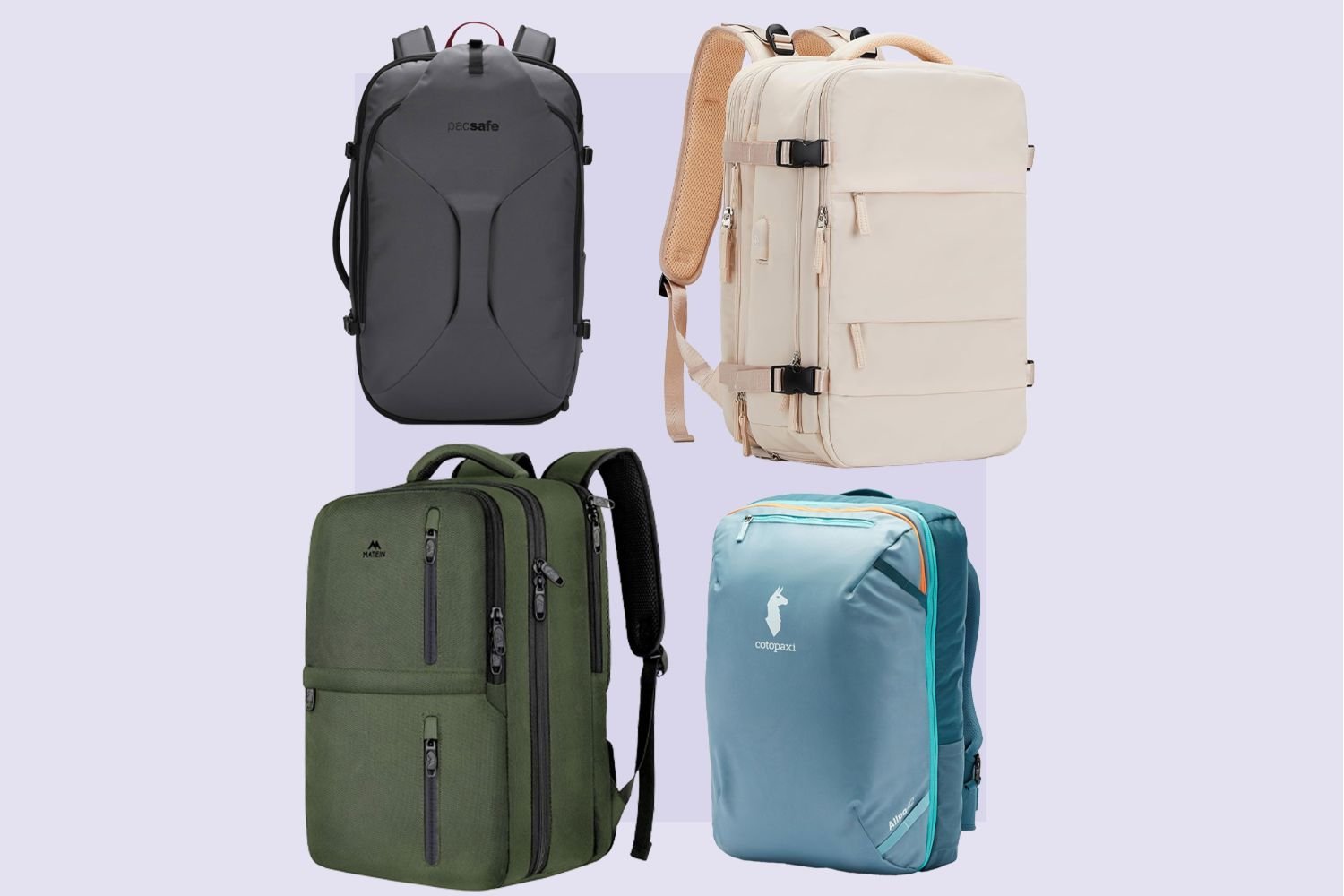
If you are asking what is the best lightweight travel backpack, the Osprey Farpoint 40 is the answer, as it balances a durable frame with a carry-on size. This assumes air travel; for longer expeditions requiring camping gear, choose a larger internal frame model.
Key features of a lightweight travel backpack
Photo: www.nytimes.com on Google
-
Weight under 3 pounds when empty ensures you stay within airline limits. A heavier bag forces you to sacrifice gear to avoid overweight fees, which can be quite expensive per flight.
-
Capacity of 35 to 45 liters fits most international carry-on requirements. If you plan to use budget carriers like Ryanair, stick to 35 liters to avoid the strict sizer boxes.
-
Padded hip belts transfer the load from your shoulders to your legs. If the belt sits on your waist rather than your iliac crest, you’re wearing it wrong and will face lower back strain.
-
Internal compression straps keep your gear from shifting while you walk. Without them, an unbalanced bag pulls your center of gravity backward.
-
Lockable zippers prevent quick theft in crowds. Use TSA-approved cable locks to secure these.
-
Breathable mesh back panels reduce sweat.
Why weight distribution matters
The primary reason to prioritize a lightweight pack is to prevent back strain during long transit days. A bag that stays under 15% of your total body weight is generally considered safe for extended wear, according to the American Occupational Therapy Association guidelines for proper lifting and carrying. When a bag is too heavy or poorly fitted, it forces your spine to compensate, leading to muscle fatigue and posture issues. A bag with an adjustable torso length allows you to move the weight onto your hips rather than carrying it all on your shoulders. If you’re tall, ensure the frame height matches your back length; if you’re short, look for models with shorter torso settings. This varies by model — check the label or the manufacturer’s fit guide before you purchase to ensure the harness system aligns with your body.
When the answer is different
| Situation | What changes | What to do instead |
|---|---|---|
| Business trips | Need laptop access | Choose tech-focused packs |
| Hiking/Camping | Need external storage | Get dedicated trekking gear |
| Ultra-light travel | Need smaller size | Use 20-30 liter daypacks |
| Rainy climates | Need water resistance | Use a waterproof cover |
| Strict airlines | Need smaller dimensions | Check specific airline limits |
How to do it properly
- Measure your torso length from the C7 vertebra to the iliac crest to ensure the pack frame fits your specific spine height correctly.
- Load the heaviest items in the middle of the pack, close to your back, to keep your center of gravity stable while walking.
- Tighten the hip belt first, as it should carry 70% of the total weight, leaving only 30% for your shoulder straps to manage.
- Adjust the load lifter straps on your shoulders until the pack feels pulled toward your back rather than sagging away from your body.
- Secure the sternum strap across your chest to stop the shoulder straps from sliding outward, which helps stabilize the pack during movement.
- Check that no straps are dangling loose, as these can snag on airport equipment or public transit doors during your travel journey.
The mistakes that ruin it
- Overpacking beyond the bag’s capacity makes the zippers fail and makes the bag too bulky for overhead bins.
- Ignoring the hip belt forces your shoulders to carry all the weight, which causes neck pain after one hour.
- Choosing a bag with no internal frame makes it sag, which creates an awkward shape that’s hard to carry.
- Buying a bag solely for the look instead of the fit means you’ll likely experience discomfort within the first mile.
Frequently asked questions
Photo: www.jneurovirol.com on Google
Can I use a hiking pack for travel?
Yes, you can, but it’s often less convenient. Hiking packs are tall and narrow, which makes them difficult to organize and hard to fit into airplane overhead bins compared to travel-specific packs that open like a suitcase.
Is it safe to check a lightweight bag?
No, it’s risky because lightweight bags often lack the thick padding needed to protect your gear from rough handling. Use a protective duffel or rain cover if you’re forced to check your bag at the gate.
How long should a travel backpack last?
About five to ten years is standard for high-quality bags, depending on the frequency of use. Check the manufacturer’s warranty information on their official website, as many brands offer lifetime repairs for broken zippers or stitching issues.
Does it matter if the bag is waterproof?
Yes, it matters if you travel in regions with high rainfall. Most lightweight travel packs are water-resistant, but they will soak through in heavy rain; keep a separate waterproof pack cover in a side pocket for emergencies.
What happens if the bag doesn’t fit my torso?
It causes significant discomfort and potential back pain because the weight distribution is uneven. If the pack feels like it’s pulling you backward, you must adjust the harness or try a different size or brand.
How do I clean my backpack?
Use warm water and a soft brush to scrub away dirt by hand. Never put your backpack in a washing machine, as the agitation can destroy the protective coatings and damage the internal frame structure of the pack.
Final Thoughts
Choosing the right bag makes your journey feel lighter and much more enjoyable. Don’t just look at the specs online; head to a local shop to try a few on with some weight inside. Once you find a pack that fits your frame perfectly, you’ll be ready for your next adventure.