
If you are asking what is the best backpack for travelling, the Osprey Farpoint 40 fits the bill by balancing carry-on compliance with a comfortable suspension system.
Why it works / what to know first
The key to a successful travel bag is the frame. A backpack with a light internal wire frame transfers weight from your shoulders to your hips, which prevents muscle strain. If you carry more than 15 pounds, you need a hip belt to move that weight off your spine.
The most common mistake is choosing a bag based only on how it looks. Many travelers buy bags that are too large, making them impossible to fit in overhead bins. You must check your airline’s carry-on size restrictions to ensure your pack meets the rules for every carrier you use.
Picking the best backpack for travelling
Photo: www.nytimes.com on Google
- Measure your torso length using a soft tape from your C7 vertebrae to your iliac crest to ensure the bag fits your frame.
- Select a backpack between 35 and 45 liters for standard carry-on use, as sizes above 50 liters often require checked luggage.
- Tighten the hip belt first when putting on the pack, as this carries 70% of the weight, then adjust the shoulder straps for stability.
- Load the heaviest items—like shoes or electronics—closest to your back and center to keep the weight balanced.
- Use compression straps to pull the load tight against your body, which stops the bag from swinging while you move.
- Test the weight by walking for 20 minutes before your trip; if your shoulders ache, you have packed too much.
Tip: If you’re under five feet tall, look for “XS” or “women’s” specific models, as these have shorter back panels.
Tip: Don’t overstuff the front pockets, as this pulls the weight away from your center of gravity and causes back pain.
How long it takes
The time to pack or adjust a bag varies based on your experience and how many items you carry.
| Situation | How long | What changes it | What to watch for |
|---|---|---|---|
| First-time fit | 15 minutes | Your torso length | Gaps at shoulders |
| Daily packing | 5 minutes | Number of items | Bulging zippers |
| Weight check | 2 minutes | Scale accuracy | Airline limits |
If fitting the bag feels impossible after 20 minutes, your torso length likely doesn’t match the bag’s adjustable range.
How to tell when it’s done
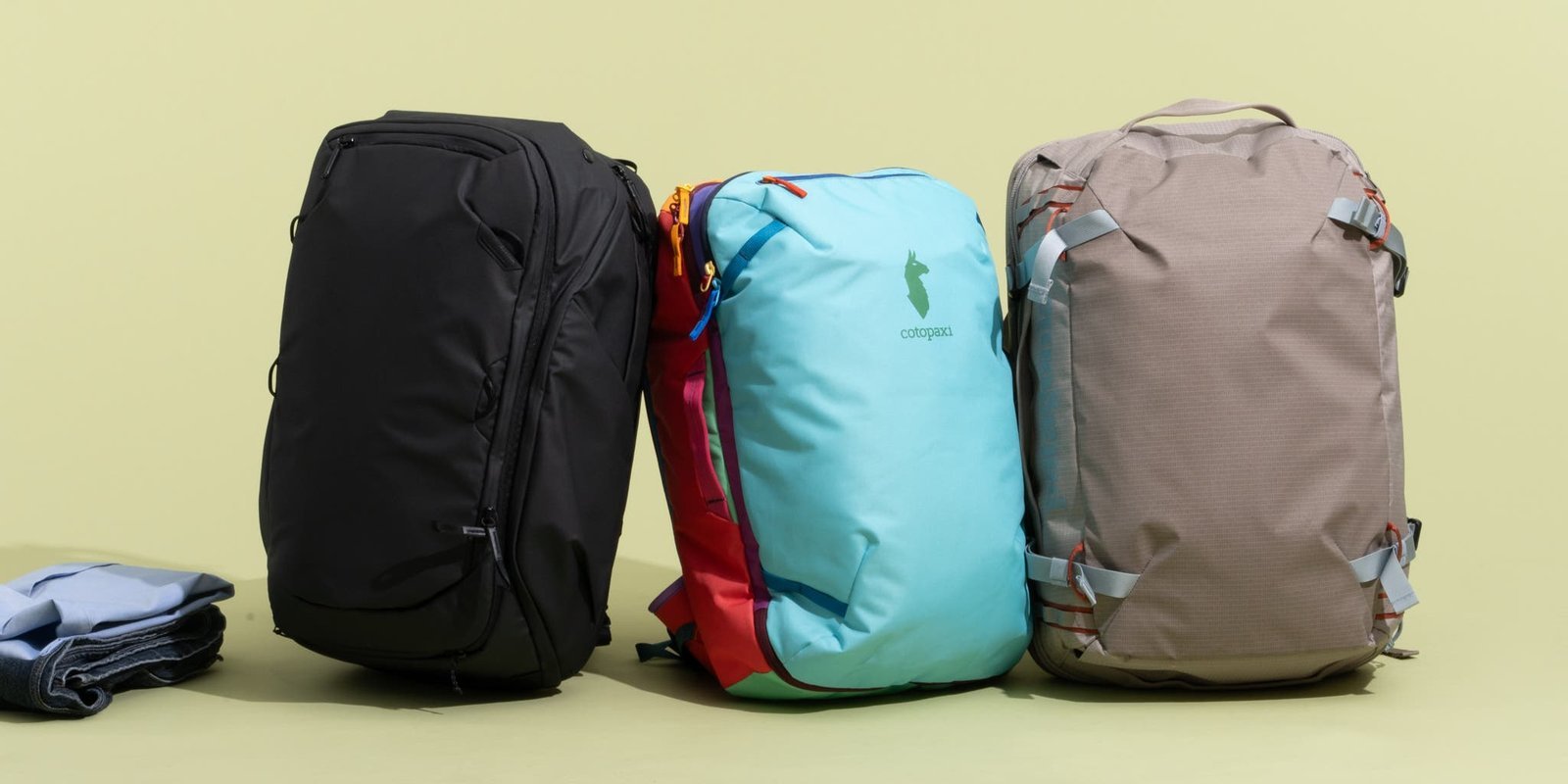
A backpack is packed correctly when you can zip every compartment shut without using force. If you struggle to close a zipper, the material is under too much tension and might fail. The pack should feel like an extension of your body, not a heavy weight pulling you backward. When you stand straight, the top of the pack shouldn’t hit the back of your head. If the bag sits too low, it will hit your legs; if it sits too high, it will pull your balance off. The International Air Transport Association suggests keeping bags within 22 by 14 by 9 inches to avoid forced gate checking.
Mistakes that ruin it
- Ignoring the hip belt: Many travelers let the shoulders carry all the weight, which leads to neck pain within an hour. Always buckle the hip belt to move the load to your legs.
- Packing too many clothes: People often pack for “what if” scenarios, which adds unnecessary weight that you have to carry. Stick to a one-week limit and use laundry services instead.
- Leaving straps dangling: Loose straps catch on escalators or turnstiles, which can cause you to trip or damage the bag. Tuck all loose ends into the keepers or tie them down.
- Using a non-travel bag: A school backpack lacks the padding and structure needed for heavy travel loads. Use a bag with a dedicated internal frame meant for travel.
Frequently asked questions
Can I take a 50-liter backpack as a carry-on?
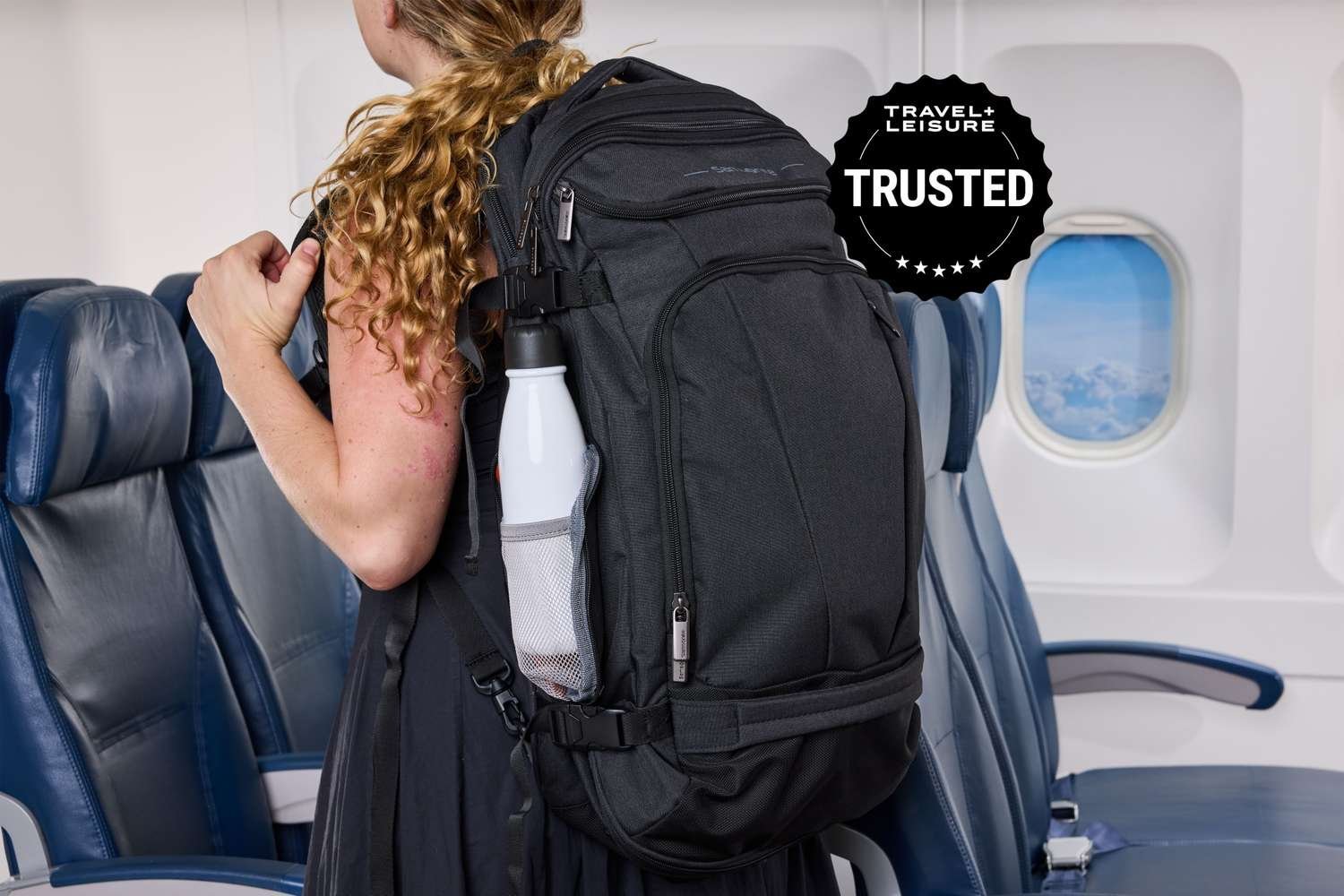
No, most airlines will force you to check a 50-liter bag because it exceeds the standard carry-on size limits. You should stick to 40 liters or less if you want to keep your bag with you. Check your specific airline’s website for their exact dimension requirements before you fly.
Is it safe to lock my backpack zippers?
Yes, it’s safe to use small luggage locks on your zippers to prevent quick theft in crowded areas. You should ensure the locks are TSA-approved so security agents can open them if needed. If you don’t use locks, keep your valuables in a hidden pocket.
How long should a travel backpack last?
A high-quality travel backpack should last for at least five to ten years of regular use. This depends on the material, such as denier nylon, and how often you travel. Check the manufacturer’s warranty, as many top brands offer lifetime repairs for broken zippers or torn seams.
What happens if my bag is too heavy?
If your bag is too heavy, the airline will force you to check it at the gate, which often costs an extra fee. You might also find it difficult to lift the bag into the overhead bin without help. Always weigh your bag at home before heading to the airport.
How do I clean my backpack after a trip?
You should clean your backpack by wiping it with a damp cloth and mild soap instead of putting it in a washing machine. A machine wash can damage the waterproof coating and the internal frame. Let the bag air dry in a cool, shaded area away from direct sunlight.
Final Thoughts
Choosing the right bag is just the start of your journey. Once you have your gear sorted, head to the airport and focus on the experiences ahead. You’ll find that traveling light makes every destination more enjoyable. Don’t wait too long—book that flight and see where your new pack takes you!