
If you are asking what is a laptop backpack, it is a specialized bag with a padded internal compartment to protect portable computers from impact during transit. These bags feature reinforced sleeves, ergonomic straps, and organized pockets to separate hardware from personal items while distributing weight across your back.
The most important factor is the size of your device. If you pick a bag that’s too small, the zipper may scratch the frame; if it’s too large, the laptop will shift and hit the sides during movement. A common mistake is buying a bag based only on the screen size, which ignores the thickness of the model. Always check the internal dimensions listed by the manufacturer.
What is a laptop backpack and how to choose one
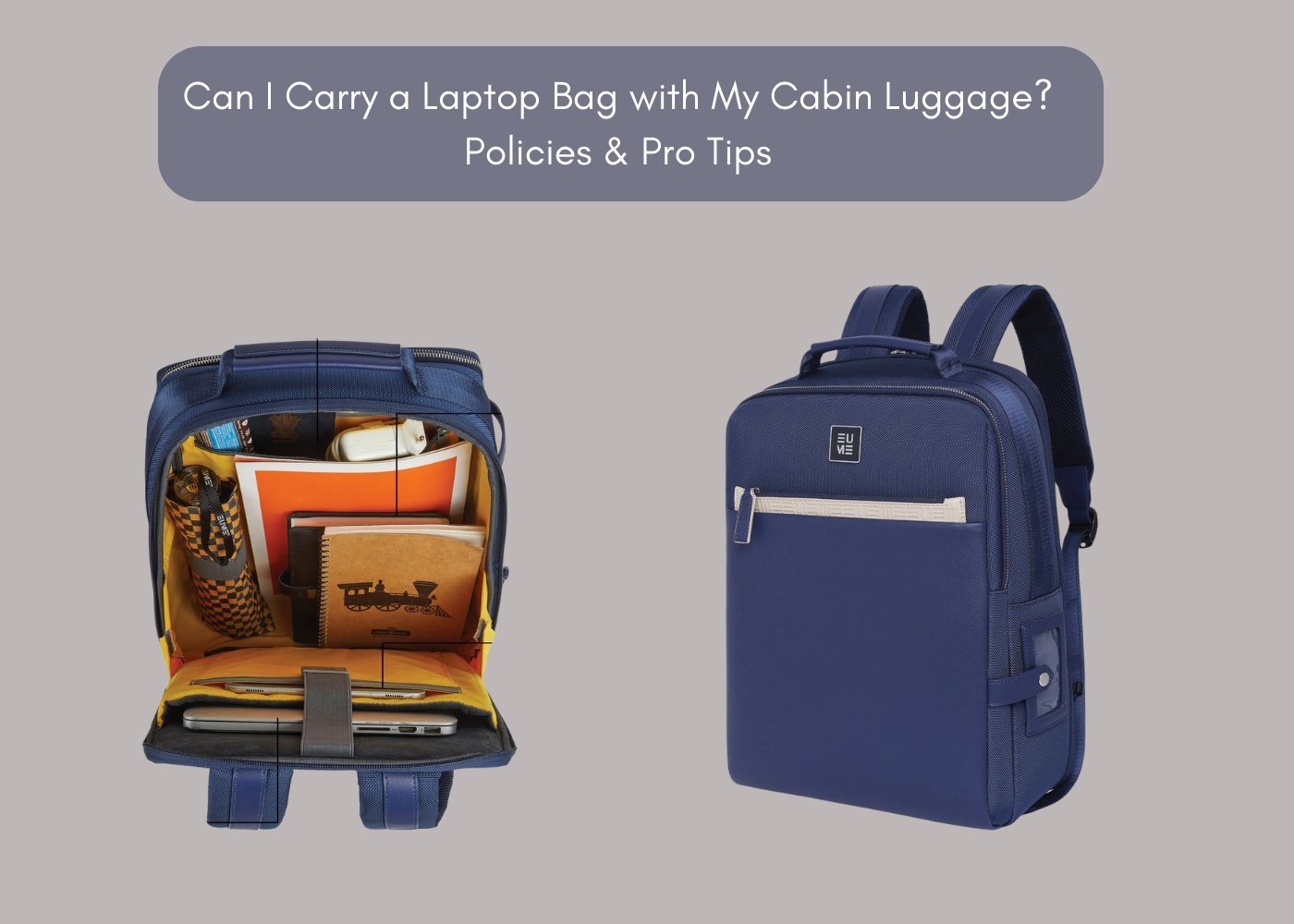
- Measure your laptop height, width, and depth in centimeters or inches.
- Select a backpack with a sleeve that matches these dimensions with no more than one centimeter of extra space.
- Check the padding quality around the base, as this is where the most impact occurs when you set the bag down.
- Verify the zipper quality, as Consumer Reports’ luggage testing suggests that reinforced, self-repairing zippers are the most reliable for long-term daily use.
- Adjust the sternum strap to shift weight from your shoulders to your torso if you carry more than five kilograms of gear.
- Test the weight distribution by walking for five minutes with your full load to ensure the bag doesn’t pull backward.
Tip: Avoid placing heavy textbooks directly against the laptop sleeve, as this creates pressure points that can damage a screen.
Tip: If you commute in heavy rain, prioritize bags with water-resistant zippers or a built-in rain cover to prevent moisture from reaching the electronics.
How long it takes
The time to pack or organize your bag depends on your workflow.
| Situation | How long | What changes it | What to watch for |
|---|---|---|---|
| Minimalist carry | 30 seconds | Fewer cables | Loose items shifting |
| Tech-heavy setup | 3 minutes | Multiple adapters | Battery bulge |
| Travel/Overnight | 5 minutes | Extra clothing | Weight imbalance |
If it takes longer than five minutes to pack your bag, you’re likely carrying too many redundant accessories.
How to tell when it’s done
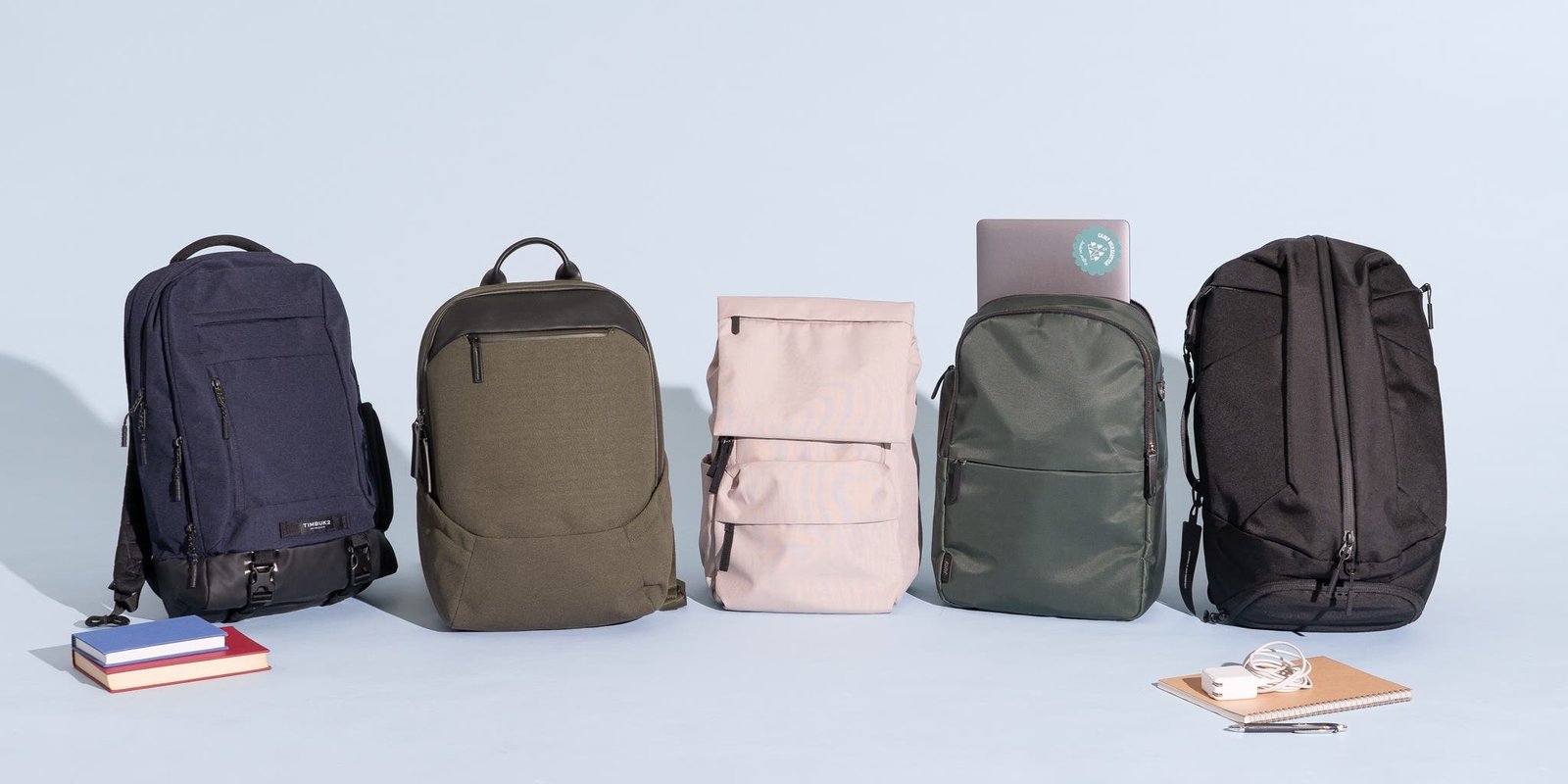
You know the bag is packed correctly when the laptop sits snugly in its sleeve without requiring force to slide in. The weight should feel centered on your spine, and the shoulder straps shouldn’t dig into your collarbone. If the bag bulges outward or the zippers strain to close, remove one item. The ultimate test is the “shake check”: lift the empty-looking bag and give it a gentle shake. If you hear items sliding or banging against the laptop compartment, you must add a divider or rearrange the contents to prevent internal damage.
Mistakes that ruin it
- Overloading the weight limit: Carrying too much gear causes the stitching at the shoulder strap anchor points to tear prematurely. Distribute your load evenly and check the manufacturer’s maximum weight capacity.
- Leaving sharp items loose: Placing keys or metal pens in the same pocket as the laptop causes deep scratches on the outer casing. Use the dedicated organizer pockets for all small, hard items.
- Ignoring the base padding: Setting the bag down hard on concrete can crack a screen if the bottom lacks thick foam. Always check that your bag has at least one centimeter of dense padding at the bottom.
- Forgetting to close the sleeve: Leaving the internal laptop strap undone allows the device to slide out if the bag tips over. Always secure the Velcro or buckle strap before zipping the main compartment.
Frequently asked questions
Can I use a regular backpack for a laptop?
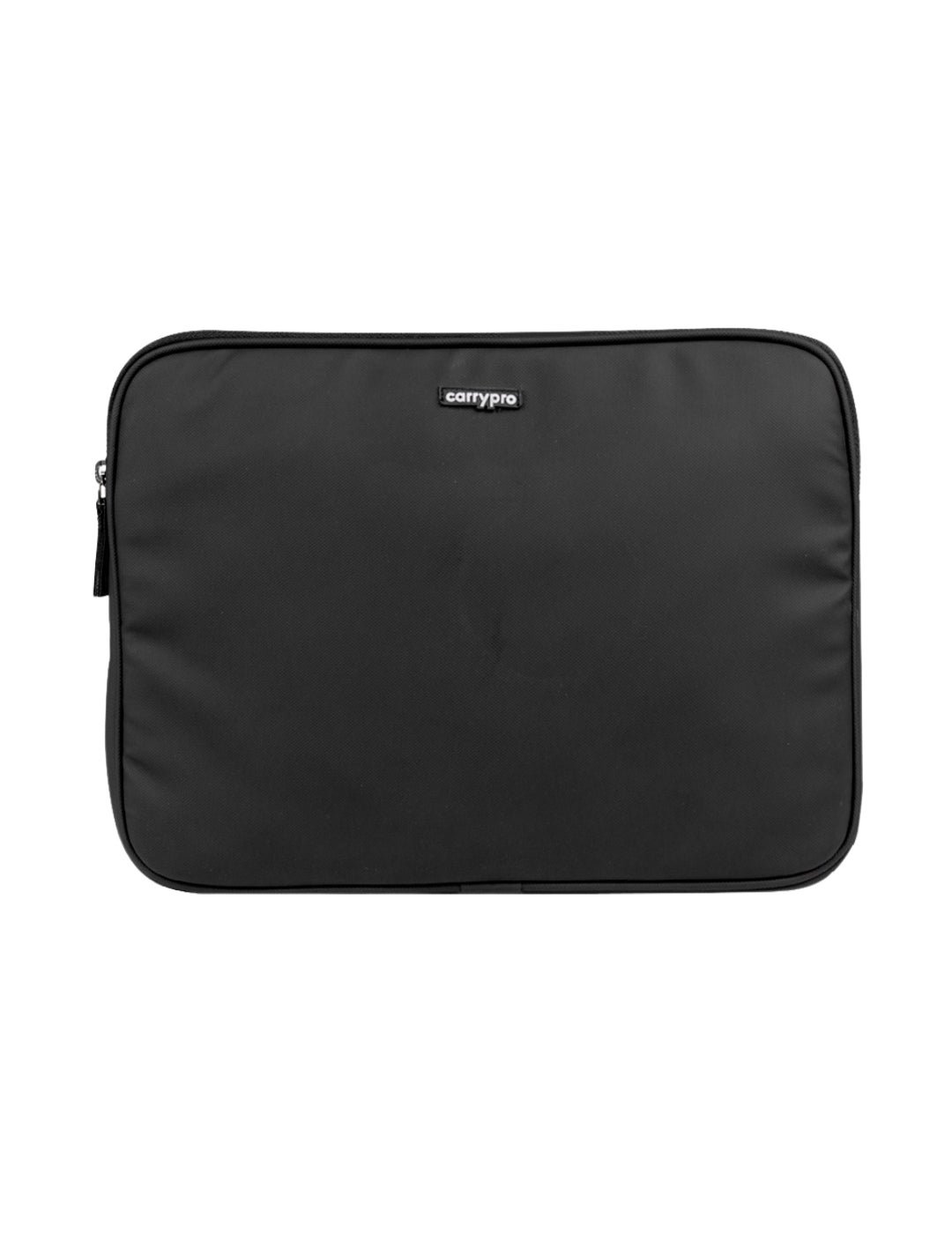
No, regular backpacks lack the shock-absorbing padding needed to protect delicate hardware from daily impacts. If you must use one, you should insert a separate, padded sleeve to provide the necessary protection for the screen and internal components, as a standard bag offers no defense against drops.
How long should a laptop backpack last?
A high-quality model typically lasts between three and five years of daily use. This varies by model — check the label for material durability ratings and warranty terms. If the fabric begins to fray at the seams or the zippers catch frequently, the bag is likely reaching the end of its life.
Is it safe to carry a laptop in a backpack while biking?
Yes, it’s safe if you use a bag with a dedicated, suspended laptop sleeve that keeps the device away from the bottom of the pack. You must ensure the bag is secured tightly to your back to prevent the heavy weight from shifting your center of gravity during turns.
What happens if my laptop gets wet in my backpack?
Water can cause immediate short circuits on the motherboard or lead to long-term corrosion of the internal ports. If your bag gets soaked, remove the laptop immediately, wipe it down with a dry cloth, and keep it powered off in a dry, ventilated area for at least twenty-four hours before use.
How do I clean my laptop backpack?
You should spot-clean the exterior with a damp cloth and mild soap rather than submerging the whole bag. Most manufacturers advise against machine washing, as the heat and agitation can ruin the protective padding and water-resistant coatings. Always check the care label inside the bag for specific instructions.
Final Thoughts
Choosing the right bag makes a world of difference when you’re on the move. Once you’ve measured your device, head to a local shop to test how the straps feel on your shoulders. You’ll find that a comfortable, well-fitting pack doesn’t just protect your gear—it’s a true relief for your back.
Related guides