
A good travel backpack is a carry-on size bag between 35 and 45 liters that features a clamshell opening and padded, stowable shoulder straps. This assumes a standard airline carry-on limit; for smaller regional planes, you should choose a bag under 30 liters.
The short version
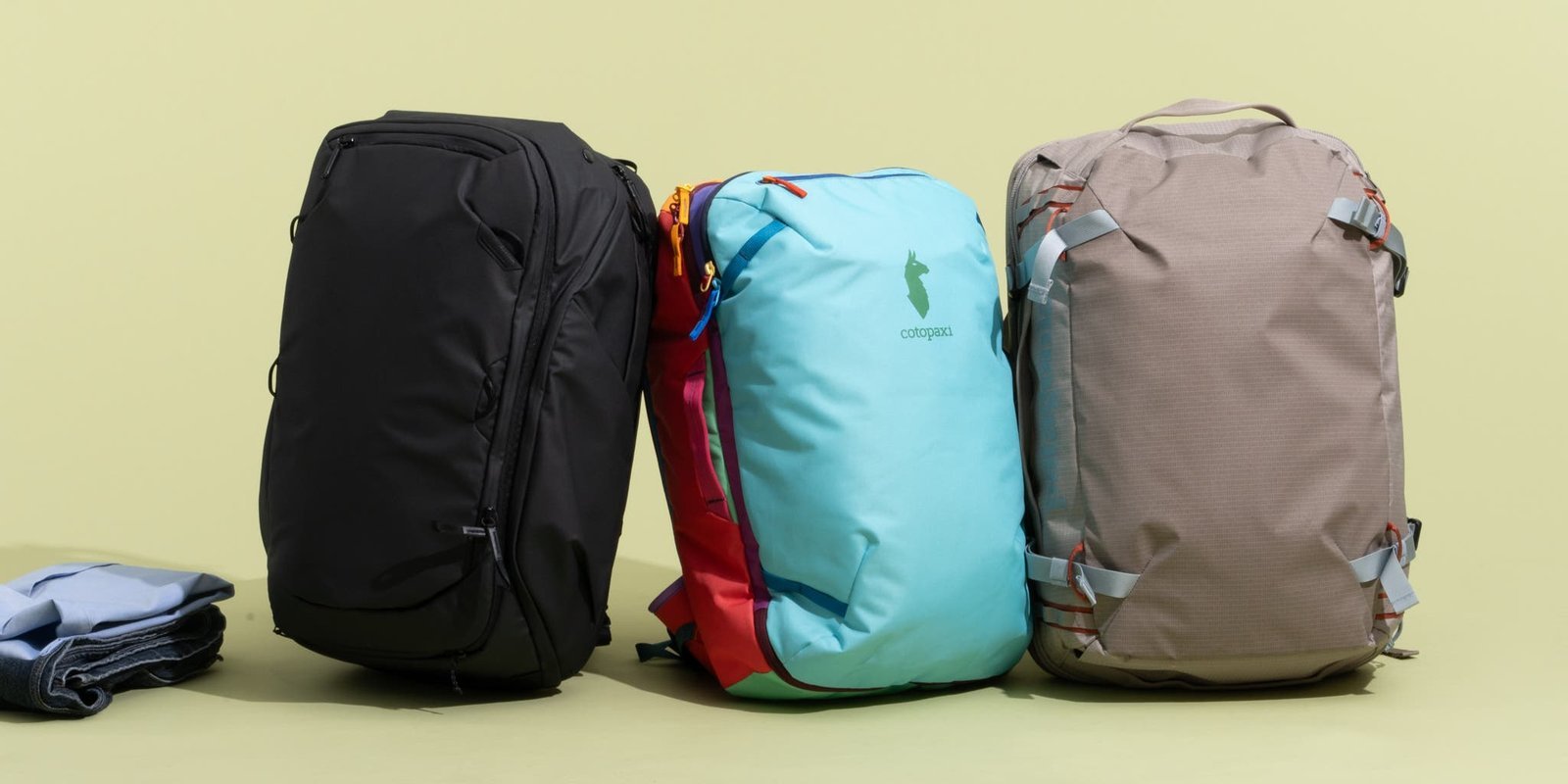
- Choose a capacity between 35 and 45 liters to meet most international carry-on requirements.
- Look for clamshell-style zippers that open fully like a suitcase for easier packing and access.
- Check that the shoulder straps are thick, padded, and include a sternum strap for weight distribution.
- Ensure the material is water-resistant, such as high-denier nylon or polyester, to protect your gear.
- Test that the empty bag weighs less than 3 pounds to leave more room for your belongings.
- Verify the dimensions against your specific airline’s carry-on baggage size limits before you finalize your purchase.
Why quality bags help you travel
The design of a travel backpack determines how much strain you place on your back and how quickly you can navigate transit hubs. A bag with an internal frame or a rigid back panel transfers the weight from your shoulders to your hips, which is vital when walking more than 15 minutes. If you carry a heavy load without a proper hip belt, you risk muscle fatigue and poor posture. You should check the manufacturer’s technical specifications for “load lifter” straps, which pull the bag closer to your body to prevent it from sagging backward. The clamshell opening is equally important because it prevents the “digging” effect common with top-loading hiking bags. By opening fully, you see every item instantly, which keeps your packing organized and prevents wrinkled clothing. Always check the label for the specific denier rating of the fabric; a higher number generally means better tear resistance for rough travel environments.
When the answer is different
| Situation | What changes | What to do instead |
|---|---|---|
| Short weekend trip | Capacity needs | Choose a 20-30 liter bag |
| Heavy electronics | Interior protection | Use a dedicated laptop sleeve |
| Hiking focus | Frame type | Select a ventilated suspension system |
| Budget travel | Durability | Look for lifetime warranty policies |
| Business trips | Appearance | Pick a sleek, logo-free design |
How to do it properly
- Empty the bag completely and place your items on a flat surface to see exactly what you need to fit inside.
- Pack heavier items, such as shoes or toiletry kits, at the bottom near your back to keep the center of gravity stable.
- Use compression cubes to shrink your clothing volume by 30 percent, which helps you fit more into a 40-liter carry-on space.
- Tighten the shoulder straps until the bag sits high on your back, then buckle the sternum strap to secure the fit.
- Check that no loose straps are hanging off the bag, as these can get caught in airport conveyor belts or bus doors.
- Lift the bag to ensure it’s balanced; if it leans to one side, move your heavier items toward the center of the pack.
The mistakes that ruin it
- Overpacking the bag beyond the airline’s weight limit, which results in forced gate checking and potential damage.
- Choosing a bag with an external frame, as these create awkward shapes that are difficult to stow in overhead bins.
- Ignoring the hip belt’s importance, which leads to shoulder pain after only a short time walking through an airport.
- Buying a bag based solely on color rather than ergonomics, which forces you to carry an uncomfortable load for years.
Frequently asked questions
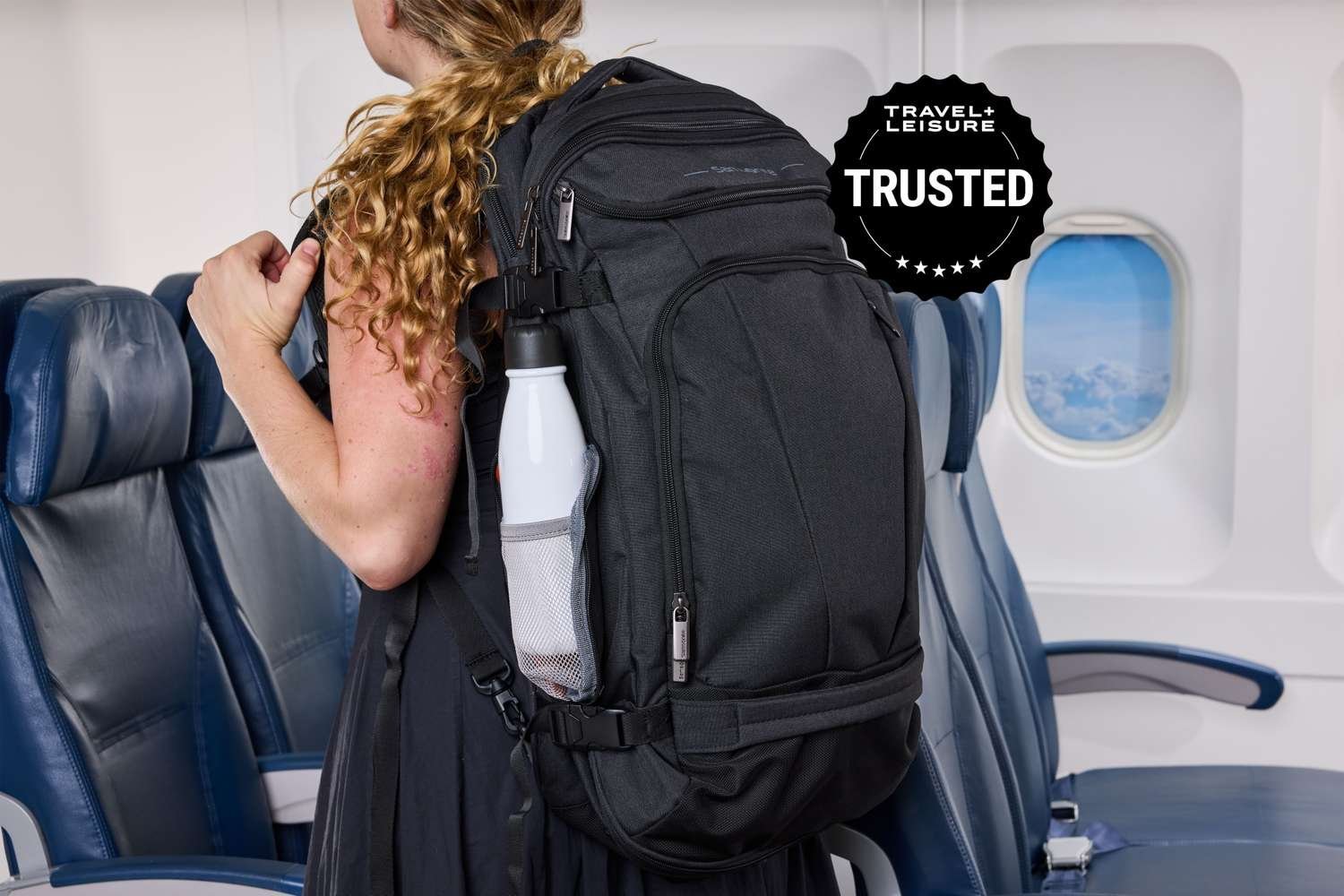
Can I use a hiking backpack for travel?
Yes, you can, but it’s often less convenient than a dedicated travel pack. Hiking bags are usually top-loading, which makes finding clothes at the bottom difficult, and their tall frames may exceed airline carry-on height limits.
How long should a travel backpack last?
A high-quality travel backpack should last for many years with regular use. This varies by model — check the label for fabric denier and zipper quality, as these parts usually fail first on cheaper bags.
Is it safe to carry my laptop in a backpack?
Yes, it’s safe if the bag has a dedicated, padded laptop compartment that keeps the device away from the bottom of the bag. Always ensure the sleeve is elevated to prevent impact when you set the bag down.
Does it matter if the bag is waterproof?
No, most travel backpacks are water-resistant rather than fully waterproof. This is usually enough for light rain, but you should buy a separate rain cover if you plan to walk long distances in heavy storms.
What happens if the bag is too heavy?
You’ll experience significant shoulder and back pain during transit. Most airlines also have a weight limit of about 15 to 22 pounds for carry-ons, so you may be forced to pay extra fees at the gate.
How do I clean my travel backpack?
You should spot clean it with a damp cloth and mild soap instead of putting it in a washing machine. Machine washing can damage the protective coating and the internal frame structure, which voids most manufacturer warranties.
Final Thoughts
Finding the right pack shouldn’t feel like a chore, so don’t let the options overwhelm you. Once you’ve narrowed down your favorites, head to a local shop to try them on with some weight inside. You’ll quickly see which one feels most comfortable, and you’ll be ready for your next adventure.