
When asking, is it best lightweight backpack for travel, consider that a pack under 2.5 pounds minimizes physical strain. The ideal choice balances durable materials with a 30 to 40-liter capacity for carry-on utility.
Whether this gear choice succeeds depends on your packing habits rather than the bag itself. The biggest mistake travelers make is buying a bag based on its empty weight while ignoring how the suspension system handles a heavy load. If you pack over 20 pounds, a featherweight bag without a hip belt will hurt your back. If you travel with under 15 pounds, a simple, structureless bag works perfectly. This varies by model — check the label for the recommended load capacity.
Packing your lightweight travel backpack
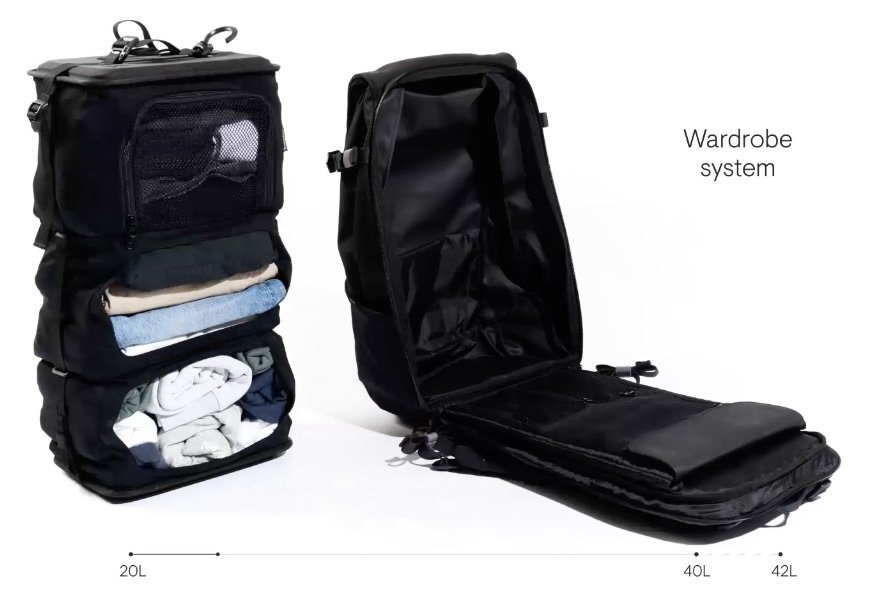
- Check your airline’s specific carry-on dimensions, which typically limit bags to 22 x 14 x 9 inches, to ensure your pack fits the overhead bin. Tip: Measure your bag while it’s fully packed, as the depth often expands beyond the limit.
- Place your heaviest items, such as shoes or heavy electronics, closest to your back and centered between your shoulder blades to maintain your center of gravity.
- Tighten the shoulder straps so the bag sits high on your back, preventing the weight from pulling your shoulders downward.
- Fasten the sternum strap across your chest to pull the shoulder straps inward, which keeps the bag stable while you walk through terminals.
- Adjust the hip belt if your bag includes one, as it should carry 70% of the total load weight on your hips rather than your shoulders. Tip: Many travelers ignore the hip belt, but using it correctly prevents shoulder fatigue during long walks.
- Verify your total weight against Transportation Security Administration carry-on guidelines to ensure you meet safety requirements for your specific flight path and destination.
How long it takes
The time spent managing your gear depends on your organization and the type of trip you’re taking.
| Situation | How long | What changes it | What to watch for |
|---|---|---|---|
| Daily commute | 2 minutes | Number of items | Zipper snagging |
| Weekend trip | 10 minutes | Packing cubes | Weight balance |
| Two-week travel | 30 minutes | Laundry access | Total load weight |
If packing takes longer than 40 minutes, you’re likely overpacking items you don’t need, which adds unnecessary weight and stress to your journey.
How to tell when it’s done
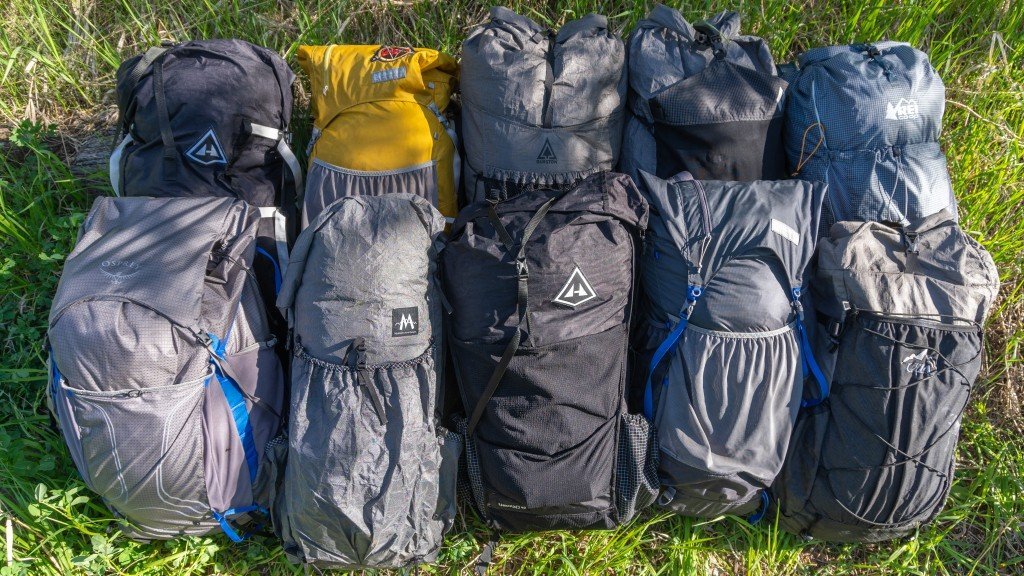
You know your bag is packed correctly when it feels like an extension of your body rather than a separate weight pulling you backward. A correctly adjusted pack shouldn’t sway side-to-side when you walk or lean forward. If the bag is pulling your shoulders back, loosen the load lifters at the top of the straps to shift the weight. When you stand straight, the bottom of the bag should rest just above your hips. If the straps dig into your collarbone, the pack is sitting too low or is too heavy for the shoulder padding provided by that specific design.
Mistakes that ruin it
- Ignoring the frame sheet: A pack without a rigid back panel will sag and press items against your spine, causing discomfort. Always choose a bag with at least a thin, flexible internal frame or a stiff back pad.
- Overloading the outer pockets: Filling external pockets shifts the center of gravity away from your body, which makes the bag feel heavier than it actually is. Keep these pockets for light, flat items like documents or thin jackets.
- Choosing style over ventilation: A bag that sits flat against your back without mesh channels will cause excessive sweating in warm climates. Look for raised foam or mesh panels that allow air to move between your back and the pack.
- Neglecting compression straps: Failing to tighten your compression straps allows your gear to shift during transit, which creates an unstable and bulky load. Always cinch these down once your main compartment is full.
Frequently asked questions
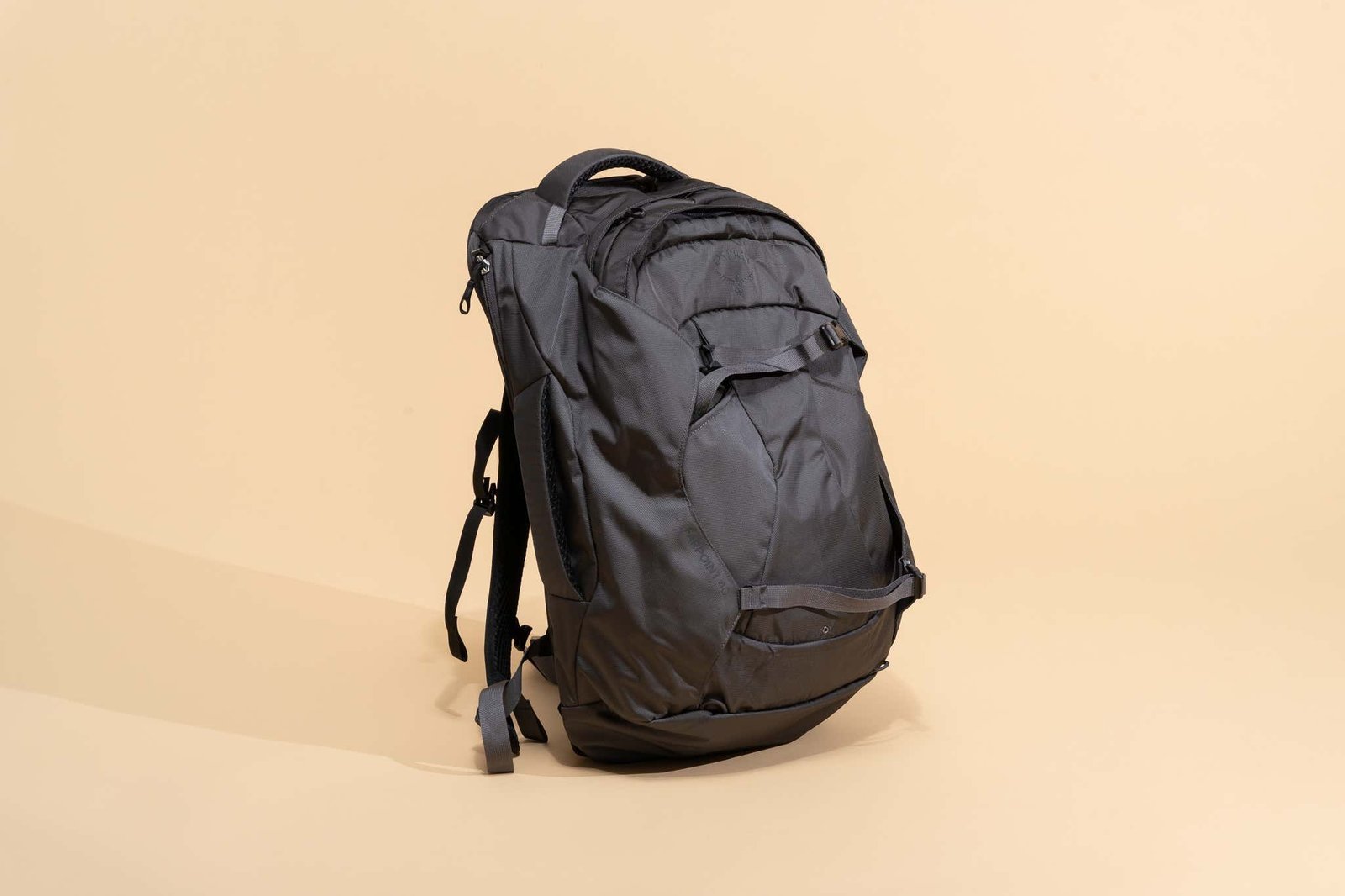
Can I use a lightweight hiking backpack for city travel?
Yes, you can use a hiking pack, but ensure it doesn’t have a tall, rigid frame that exceeds airline carry-on limits. Hiking bags often lack the laptop sleeves and organizational pockets common in travel-specific bags, so you might need extra pouches to keep your electronics and cables organized.
How long does a lightweight backpack last?
It lasts between three and five years with regular travel, depending on the denier of the fabric and the quality of the zippers. High-denier nylon or polyester stands up better to the friction of being shoved into overhead bins, while cheaper, thinner materials may tear at the seams sooner.
Is it safe to carry a laptop in a lightweight bag?
Yes, it’s safe if your bag features a dedicated, padded sleeve suspended away from the bottom of the pack. If your bag lacks padding, place your laptop inside a separate protective sleeve before putting it into the main compartment to prevent damage from accidental drops or hard surfaces.
What happens if the bag weight exceeds airline limits?
You’ll be forced to check the bag at the gate, which often carries a heavy fee and the risk of lost luggage. Always weigh your bag at home using a digital luggage scale before leaving for the airport to ensure you stay under the typical 15-pound carry-on limit.
How do I clean a lightweight travel backpack?
You should hand-wash the bag using warm water and a mild, non-detergent soap to protect the water-resistant coating on the fabric. Never put a backpack in a washing machine or dryer, as the heat and agitation can ruin the internal structure, zippers, and protective coatings that keep your gear dry.
Final Thoughts
Finding the right gear shouldn’t feel like a chore. Once you prioritize comfort and weight, you’ll enjoy your adventures so much more. Why not head to a local shop this weekend to try a few models on? You’ll quickly see how a lighter load makes every journey feel effortless and fun.
Related guides