
When asking what is the best school backpack, look for a model with ergonomic, padded straps and a weight capacity limited to 10% to 15% of the student’s body weight. These features ensure proper spinal alignment and comfort, depending on how well the bag matches the student’s build.
Selecting the right fit
The most important factor is the size of the bag relative to the student’s torso. A bag that hangs too low causes back pain and poor posture. Avoid the common mistake of buying a bag based on future growth; a backpack that’s too large now won’t provide the necessary support, leading to potential strain on the shoulders and neck.
Always prioritize adjustable straps that allow the pack to sit two inches below the shoulder blades. If the student is under five feet tall, look for a “youth” or “small” size label; if they’re taller, a standard adult model is often more appropriate for weight distribution.
What is the best school backpack?
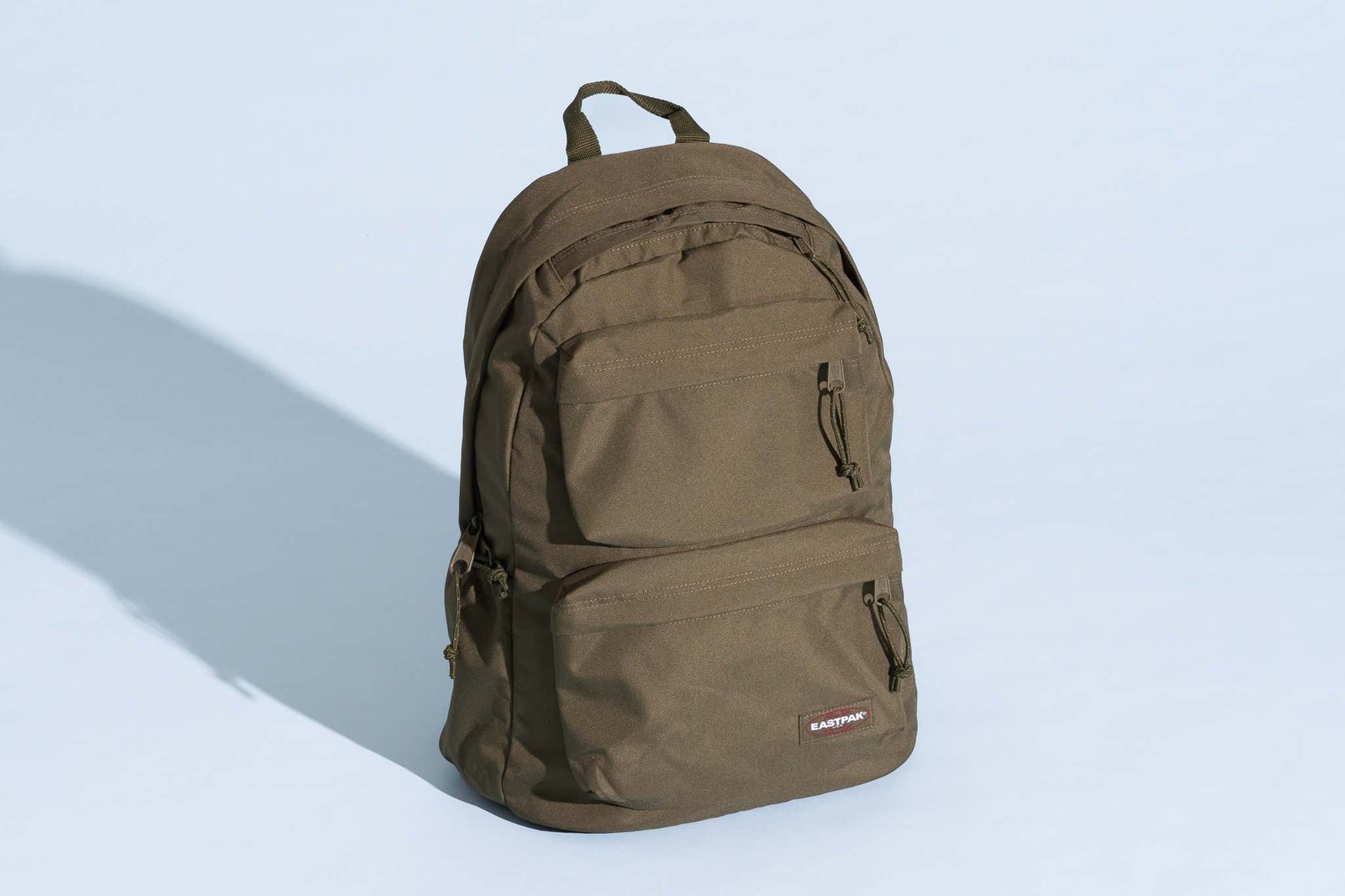
- Select a bag with two wide, padded shoulder straps to distribute weight evenly across both shoulders.
- Adjust the straps so the bottom of the bag rests at the waistline, never more than four inches below the waistline.
- Use the chest or waist belt if the bag includes one, as this helps transfer load weight to the hips.
- Pack the heaviest items closest to the back panel of the bag to reduce the lever effect on the spine.
- Check the total weight of the loaded bag by using a standard bathroom scale.
- Consult the American Academy of Pediatrics advice on heavy loads if the student complains of numbness or tingling in the arms, as these are signs the bag is improperly fitted.
Tip: Never carry the bag over one shoulder, as this creates an uneven load that forces the spine to curve to one side.
How long it takes
The time required to properly adjust your backpack is minimal, but doing it correctly prevents long-term discomfort.
| Situation | How long | What changes it | What to watch for |
|---|---|---|---|
| First-time fit | 5 minutes | Strap complexity | Ensure straps stay tight |
| Daily loading | 2 minutes | Item bulk | Check weight distribution |
| Belt adjustment | 1 minute | Waist size | Buckle comfort |
How to tell when it’s done
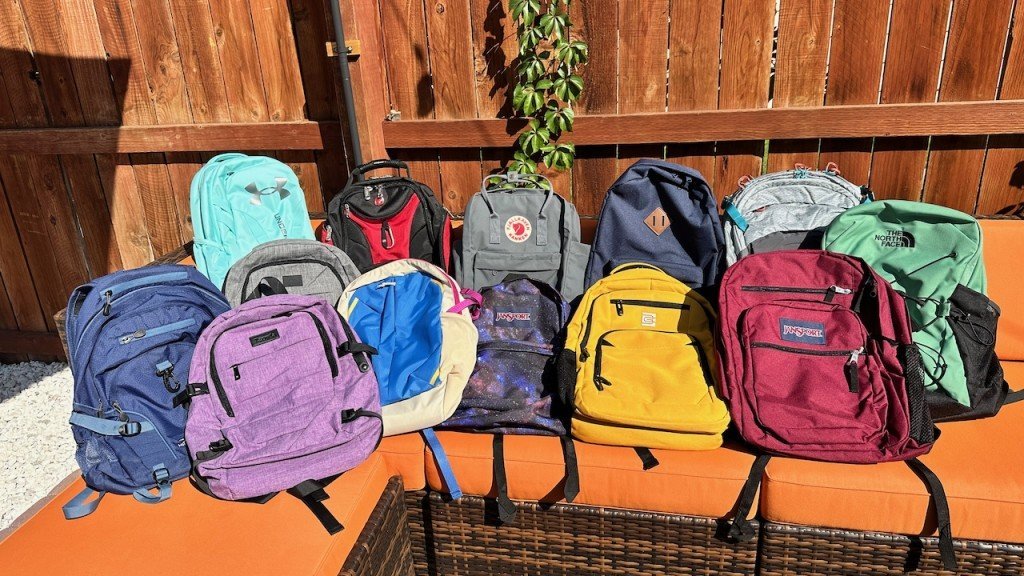
A correctly fitted backpack sits flush against the back without sagging. When you stand straight, the shoulder straps should feel snug but not restrictive under the arms. If you can slide your hand between the bag and the student’s back, it’s likely too loose. The ultimate test is the “swing” check: if the bag moves significantly when the student walks, the shoulder straps require tightening. The bag should never be wider than the student’s torso. If the bag reaches past the sides of the body, it’s too wide for the frame.
Mistakes that ruin it
- Overloading the main compartment: Adding too many books forces the student to lean forward, which ruins the bag’s ergonomic design. Keep the heaviest items centered and remove unnecessary binders to reach the recommended weight limit.
- Ignoring strap length: Letting the bag hang too low forces the shoulders to roll forward to compensate for the weight. Tighten the straps until the pack sits high and close to the body.
- Using only one strap: This shifts the entire weight to one side, leading to muscle fatigue and neck tension. Always use both straps to ensure the load is balanced across the trapezius muscles.
- Buying for durability over fit: Choosing a massive, heavy-duty bag that’s too long for the back prevents the student from using the waist belt correctly. This varies by model — check the label for recommended height ranges before purchasing.
Frequently asked questions
Can a backpack cause scoliosis?
No, a backpack doesn’t cause scoliosis, but an improperly fitted or overly heavy bag can cause temporary back pain and poor posture. Scoliosis is a structural condition of the spine, whereas backpack-related pain is usually a result of muscle strain from carrying too much weight for extended periods.
How long should a school backpack last?
A high-quality school backpack usually lasts between one and three years with daily use. This varies by model — check the label for material durability and warranty information. If the zippers stick or the padding compresses permanently, it’s time to replace the bag to ensure continued support.
Is it safe to wear a backpack on one shoulder?
No, wearing a backpack on one shoulder isn’t safe for long periods because it creates an asymmetrical load. This forces your body to compensate, which leads to muscle imbalances and pain in the neck and shoulders. Always use both straps to keep the weight centered.
What happens if the bag is too heavy?
If the bag is too heavy, the student will naturally lean forward to balance the weight, which puts excessive stress on the spine and shoulder muscles. This often leads to rounded shoulders and neck pain. Aim to keep the total weight under 15% of the student’s total body weight.
How do I clean a school backpack?
Most school backpacks are cleaned by spot-treating stains with a mild detergent and warm water. Never submerge a bag with a rigid frame or specialized internal electronics pockets unless the manufacturer’s care label specifically says it’s safe. Air dry the bag completely to prevent mold growth in the fabric.
Final Thoughts
When you head to the store, have your student try on a few different bags while they’re wearing their usual jacket. It’s a great way to see how the straps sit on their shoulders. You’ll feel much better knowing they’re ready to carry their books comfortably throughout the entire school year.