
Determining which outdoor travel backpacks are top rated depends entirely on the specific suspension system and volume capacity relative to your torso length.
How we rated these outdoor travel backpacks
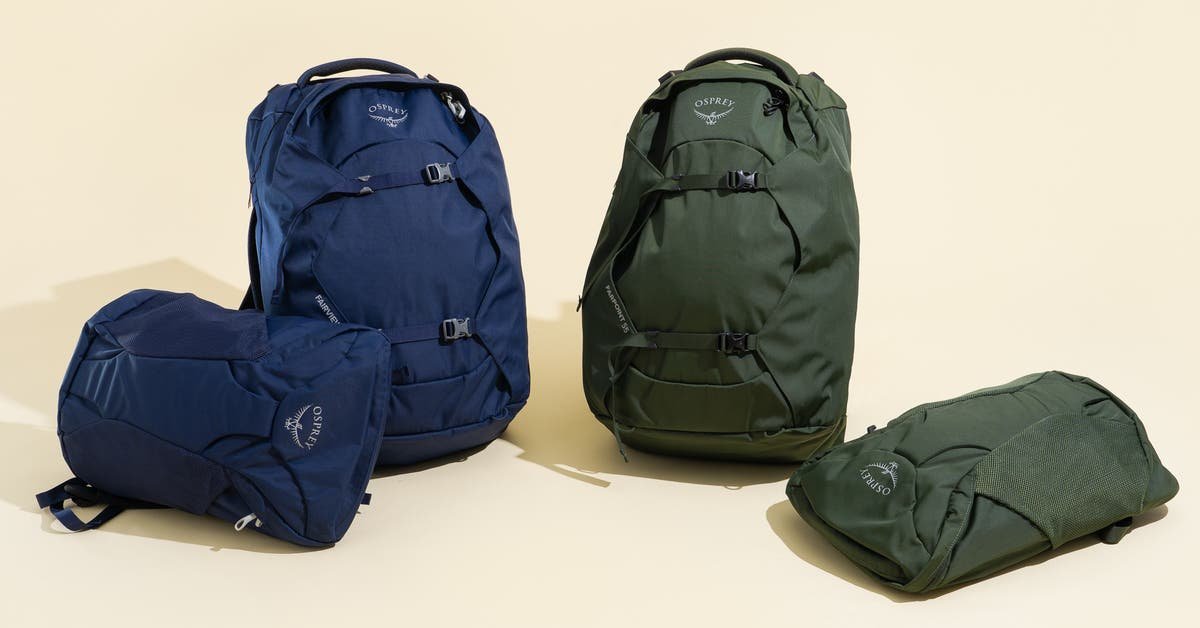
The main factor that dictates success is the fit of the harness system. If you choose a pack that doesn’t match your torso length, you’ll experience back strain regardless of how many features the bag includes. A common mistake is buying a pack based on color or brand reputation alone. This often results in a poor weight distribution that makes long walks painful. You must test the pack while it’s loaded to verify it stays stable.
Fitting and loading your pack
- Measure your torso length from the base of your neck to the top of your hip bone to ensure the frame size is correct.
- Adjust the hip belt first, as it should carry about eighty percent of the total load weight for maximum comfort.
- Tighten the shoulder straps so they follow the shape of your body without creating pressure points or gaps.
- Position the heaviest items, such as water or dense food, close to your back and centered between your shoulder blades.
- Secure the load-lifter straps at the top of the shoulder harness to pull the weight toward your center of gravity.
Tip: If you feel the pack pulling you backward, loosen the load-lifters slightly and tighten the bottom compression straps to shift the weight lower.
Factors affecting your trip

The time required to properly pack and adjust your equipment depends on your experience level and the complexity of the gear you’re carrying for your specific outdoor environment.
| Situation | Setup Time | What changes it | What to watch for |
|---|---|---|---|
| Single-day trip | 5 minutes | Minimal gear volume | Shoulder strap tension |
| Multi-day hiking | 20 minutes | Complex load balancing | Hip belt slippage |
| Winter travel | 30 minutes | Bulky insulation layers | Center of gravity shift |
If the adjustment process takes longer than thirty minutes, check if the frame height is correctly set for your torso, as this is the most common mechanical barrier.
Signs of a perfect fit
You know the fit is correct when the hip belt rests directly on your iliac crest, which is the prominent bone at the top of your pelvis. The shoulder straps should wrap over your shoulders without lifting the pack away from your back. If you can move your arms freely without the straps biting into your skin, the pack is adjusted well. When the signs are unclear, the “jump test” settles it: if the pack shifts significantly when you hop, the straps are too loose or the frame size is wrong.
Common packing mistakes
- Overloading the top compartment: Placing heavy items in the top lid creates a top-heavy bag that will throw off your balance on uneven terrain. Keep the top area for light, frequently used items like rain gear or snacks instead.
- Ignoring strap maintenance: Failing to check buckles and webbing before a trip can lead to mid-trail failure if a strap snaps under pressure. Inspect all plastic hardware for hairline cracks and replace worn webbing before you leave home.
- Neglecting the sternum strap: Many people leave this loose, which causes the shoulder straps to pull outward and strain your chest muscles. Always pull this strap until it’s snug but allows for deep, full breaths.
Frequently asked questions
Can I wash my outdoor backpack in a machine?
No, you should never put a technical backpack in a washing machine because the agitation will destroy the internal frame and protective coatings. Use a damp cloth and mild, non-detergent soap to clean the fabric by hand. Air dry the pack completely in a shaded area away from direct sunlight.
How much weight should a travel backpack carry?
You should aim to carry no more than twenty percent of your total body weight to avoid injury and fatigue. If you’re new to hiking, start with ten percent and gradually increase the load once you have built the necessary core strength to handle the extra pressure on your hips.
Is it safe to carry a heavy pack while traveling?
Yes, it’s safe as long as the weight is distributed properly across your hips and the pack frame matches your torso length. Always ensure your hip belt is tightened correctly before walking long distances. Consult a physical therapist if you have pre-existing back issues before carrying heavy loads.
What happens if the frame of my pack breaks?
If the internal frame breaks, the weight will shift entirely to your shoulders and neck, which often leads to immediate discomfort. You should stop using the pack immediately to prevent injury. Check if your manufacturer offers a warranty repair service or a replacement frame before attempting a DIY fix.
How often should I adjust my backpack straps?
You should adjust your straps every time you put the pack on, as clothing layers and terrain changes affect how the bag sits on your body. Even during a long day of walking, you may need to tighten the load-lifters as the pack settles or as you consume your water supply.
How long do high-quality travel backpacks last?
A well-maintained pack typically lasts five to ten years with regular seasonal use, depending on the durability of the materials and how often you clean it. You can extend this life by storing the bag in a cool, dry place away from UV light, which degrades synthetic fibers over time.
Rated outdoor, in short
Selecting the right gear is the first step toward a comfortable trip. By prioritizing a proper fit over brand names, you ensure your pack serves you well for many years of travel. Always test your adjustments with a full load before heading into the wilderness to avoid surprises on the trail.
Related guides