
A standard school pack costs between $25 and $55 for daily use. Knowing the cost of a bookbag helps you avoid overspending, though specialized travel models and heavy-duty hiking packs run from $80 to over $200.
What a bookbag costs
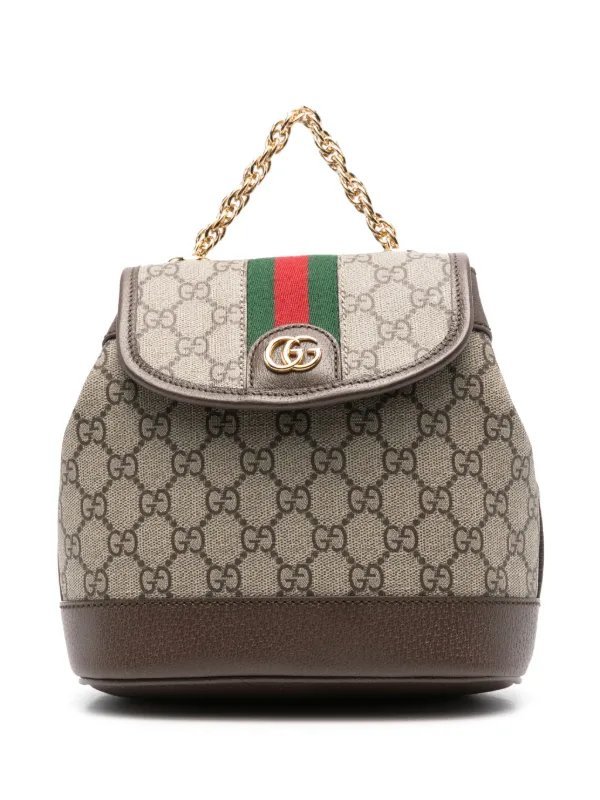
Backpack pricing follows the materials, the build quality, and the intended load. Reviewing the basic numbers helps you set a realistic budget before you shop.
- A basic children’s bag costs between $15 and $30 at big-box retail stores.
- A standard multi-pocket student backpack runs from $35 to $65 for daily book carrying.
- A padded laptop daypack with weather-resistant nylon costs between $60 and $110.
- High-end technical hiking bags with internal aluminum frames range from $130 to $300.
- Premium leather business rucksacks sell from $150 to $400 depending on leather grading.
Why bag prices vary widely
Material durability and fabric density drive the price difference between cheap and expensive bags. A budget bookbag uses low-grade 200-denier polyester, which tears easily under the strain of heavy textbooks. Pricier models use 600-denier to 1000-denier Cordura nylon, which resists concrete scrapes, floor friction, and sharp binder corners.
Production hardware also creates a steep price gap. Cheap bags use unbranded, hollow plastic zippers that pull apart when fabric stretches under load. Quality bags use self-healing YKK zippers and reinforced box-stitching across the top shoulder strap seams. The extra cost pays for the labor to double-stitch stress points and line seams with protective tape.
Safety and body support add to the manufacturing cost as well. According to the American Academy of Pediatrics backpack safety guidance, heavy loads require wide, padded shoulder straps and a padded back panel to protect young spines from strain. Adding thick EVA foam cushions and breathable mesh panels requires extra molding steps, which increases the retail shelf price.
Backpack cost by intended use
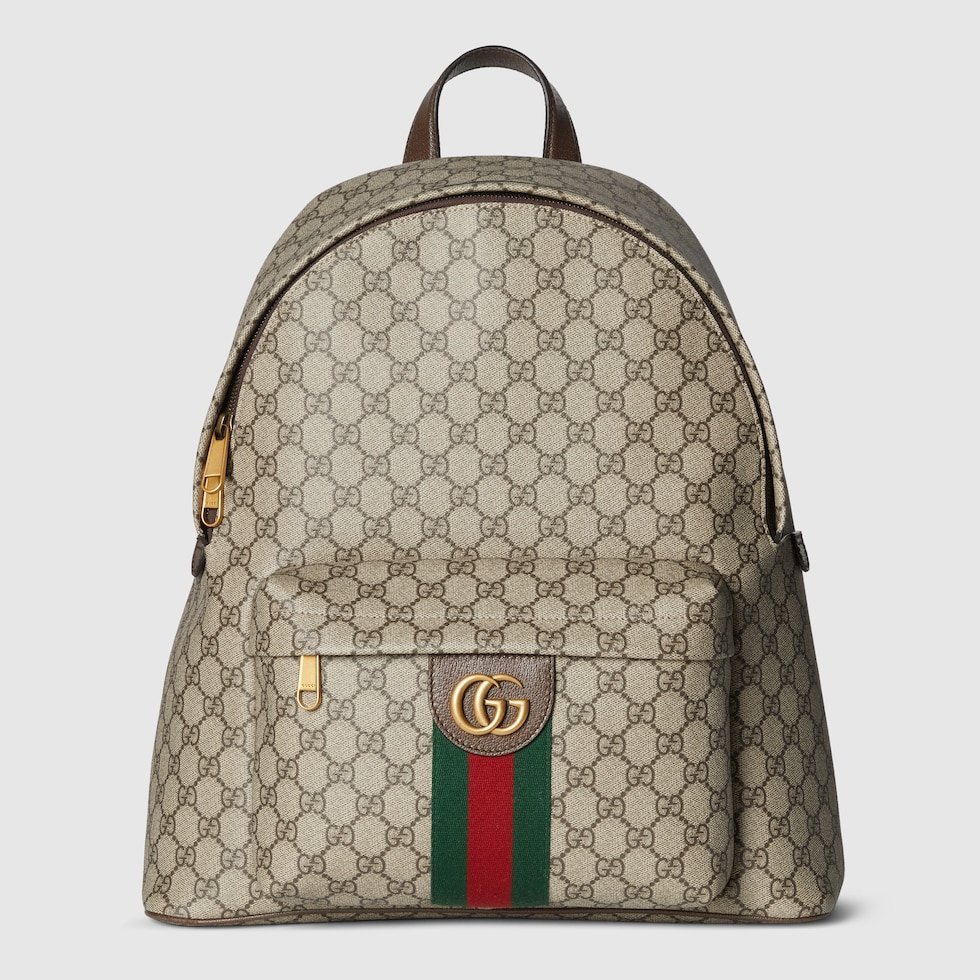
Different daily needs shift the final price tag quickly. Check how specific requirements change what you should expect to spend.
| Situation | What changes | What to do instead |
|---|---|---|
| Elementary student | Smaller pack size needed | Buy a basic $20-$30 lightweight bag |
| Carrying heavy laptop | Padded sleeve required | Choose a $50-$80 dedicated tech pack |
| Walking in heavy rain | Water resistance needed | Select coated nylon or buy raincovers |
| College campus commuting | Heavy textbook loads daily | Pick durable $60 double-stitched canvas |
| Weekend trail hiking | Frame support needed | Budget $100-$180 for outdoor packs |
| Corporate office work | Formal appearance expected | Spend $90-$200 on structured leather |
How to choose the right pack
Choosing the right pack requires matching your daily carry weight to the bag’s build. Follow these steps to find the right balance of price and durability.
- Weigh the items you carry daily on a bathroom scale to find your total baseline cargo weight.
- Check the fabric tag inside the main pocket to confirm it uses at least 600-denier polyester or nylon.
- Pull firmly on both shoulder strap seams with two hands to test for tight, double-row thread stitching.
- Open and close every zipper three times to verify the metal sliders move smoothly without catching raw fabric.
- Place your widest laptop or binder inside the main pocket to check that seams don’t stretch tight.
- Adjust both straps so the bag bottom rests two inches above your waistline before making your purchase.
Backpack buying mistakes
Small shopping errors lead to broken bags and wasted money. Watching for common flaws prevents having to buy a second bag halfway through the year.
- Choosing fashion fabrics like thin vinyl looks trendy, but sharp binder edges punch holes through the lining during normal use.
- Picking oversized adult bags for young children causes severe shoulder fatigue from the pack hanging far below the hips.
- Overpaying for brand logos adds $40 to the price tag without providing better fabric or stronger seam stitching.
Frequently asked questions
Photo: www.capfito.com on Google
How much should a good backpack cost?
Between $40 and $70 for everyday school and office use. Bags in this price bracket feature durable 600-denier fabric, metal zippers, and padded shoulder straps that last for multiple years of heavy daily carrying.
Can you get a decent backpack under $30?
Yes, but only for light cargo. A $25 bag carries lunch and a few light folders well, but sharp textbook corners and heavy electronics tear the thin bottom stitching after a few months of daily use.
Why are name-brand backpacks so expensive?
Branding adds roughly $30 to the retail price for logo recognition. However, established outdoor brands also spend more on bartack stitching, reinforced base panels, water-repellent coatings, and generous repair warranties that cheap white-label bags skip completely.
Does backpack size change the price?
Yes, pack volume changes the final cost by $10 to $40. A compact 15-liter daypack uses less fabric and hardware than a 32-liter campus bag, which needs extra compartments, heavier zippers, and thicker shoulder support.
Is a leather backpack worth the extra money?
Yes, if you need professional office styling. Genuine leather costs $100 more than nylon, but it lasts a decade if you condition the surface once a year.
What happens if your bookbag is too heavy?
Carrying over 15 percent of your body weight causes severe shoulder pain and neck strain. If you carry heavy gear, invest in a bag with a sternum strap; if you carry light, save money with simple straps.
Bookbag cost, in short
If your daily gear stays light, a basic budget backpack works fine. This balance changes with heavy loads, where cheap seams fail quickly and cost more in replacements. This guide isn’t for technical climbers or expedition travelers who require rigid internal frames. The ideal bag is the least expensive model that supports your daily cargo without ripping or straining your shoulders.