
When asking, is it top rated outdoor travel backpacks, the answer depends on durability, weight distribution, and specific features. No single model fits every traveler, as you must match the harness system to your torso length and the volume to your packing needs for a comfortable experience.
Why it works / what to know first
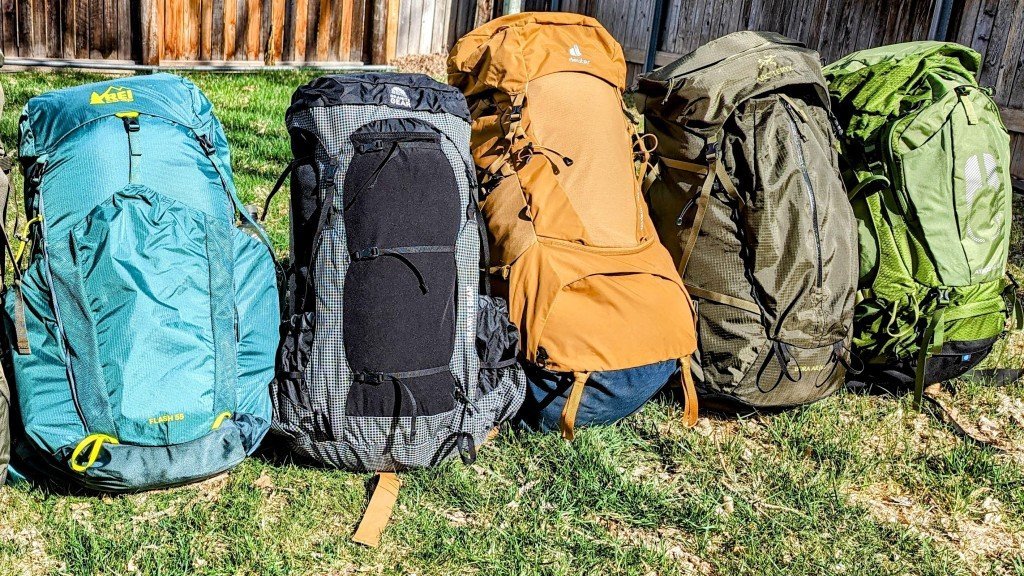
A pack succeeds when it moves with your body rather than against it. If the weight sits on your shoulders, you’ll feel tired quickly; if it sits on your hips, you can carry more for longer.
The most common mistake is buying a pack based on looks rather than fit. If the torso length doesn’t match your back, the load will pull you backward, causing strain. Always measure your torso from the C7 vertebra to the iliac crest.
Choosing and fitting your pack
- Measure your back length using a flexible tape to find your size, as brands offer small, medium, and large options.
- Load the pack with about 15 pounds of weight to test how the frame transfers the load to your hip belt.
- Tighten the hip belt first, ensuring it rests on your pelvic bones, then tighten the shoulder straps to bring the pack close to your back.
- Adjust the load lifters on the top of your shoulders to pull the pack weight forward; this prevents the bag from swaying. Tip: If the shoulder straps have a gap between your body and the fabric, you need a smaller torso size or a different harness adjustment.
- Check the sternum strap height to ensure it sits across your chest without restricting your breathing. Tip: Never carry more than 20% of your body weight, as this increases the risk of musculoskeletal injury according to the American Council on Exercise research on proper load carriage.
- Verify your pack meets airline carry-on size limits if you plan to fly, as these rules vary by carrier and aircraft size.
How long it takes
Fitting a pack properly takes about 15 to 20 minutes of small adjustments while standing still.
| Situation | How long | What changes it | What to watch for |
|---|---|---|---|
| First-time fit | 20 minutes | Adjusting harness | Pressure points |
| Daily adjustment | 2 minutes | Changing clothing layers | Hip belt slippage |
| Heavy load shift | 5 minutes | Re-tightening straps | Shoulder fatigue |
If you feel pain in your neck after 10 minutes of walking, the pack is likely too long or the load isn’t centered on your hips.
How to tell when it’s done
A properly fitted pack feels like a part of your body. You should be able to lift your arms easily without the pack hitting your head. The hip belt must take at least 80% of the total weight, leaving your shoulders free of heavy pressure. If you can jump slightly and the pack doesn’t bounce or shift, the straps are secure. When the load feels balanced and your posture remains upright without you leaning forward to compensate, you have reached the correct fit for your specific model.
Mistakes that ruin it
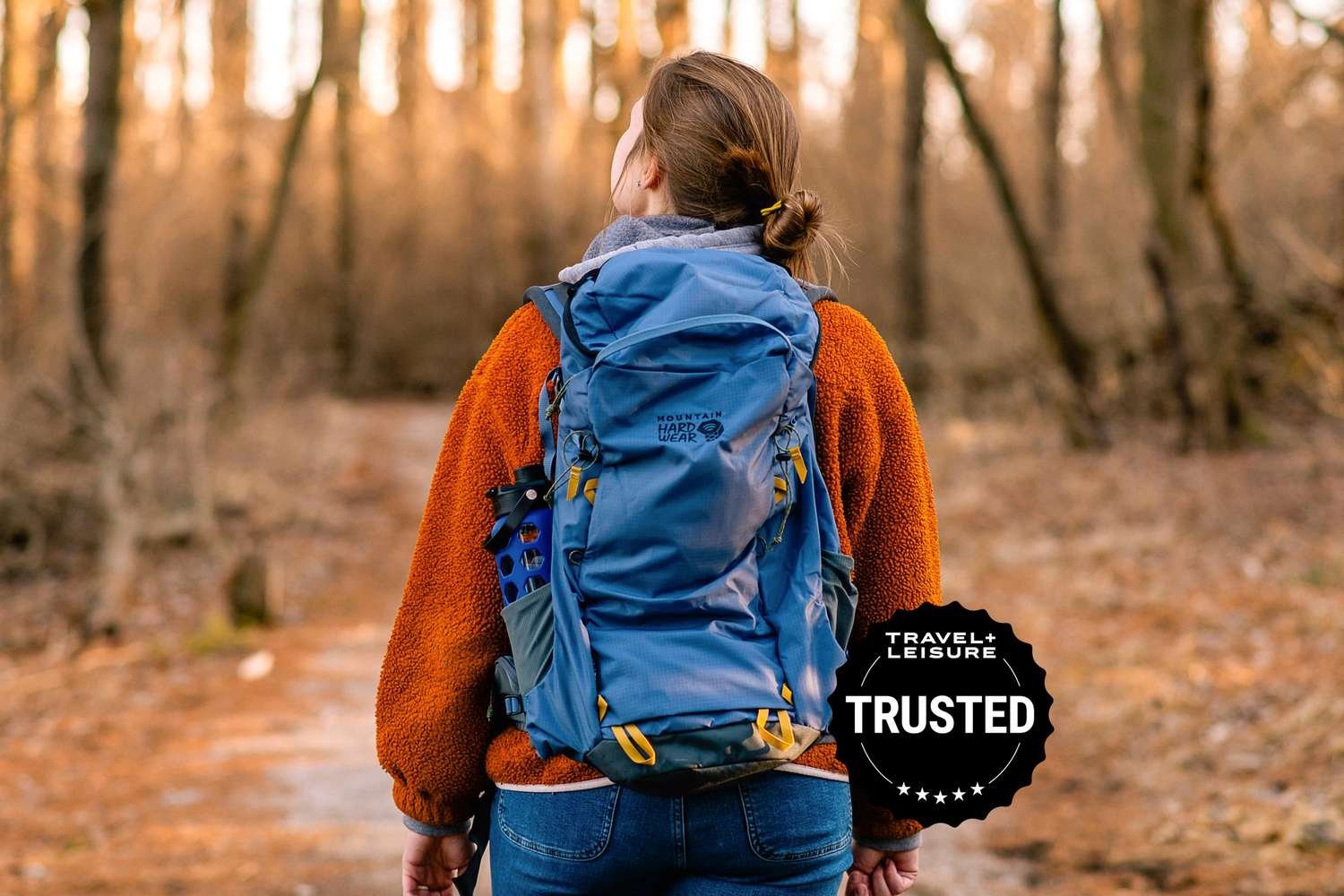
- Ignoring torso length: Choosing a pack based on height rather than back length creates an unstable, painful load. Always match the bag’s frame size to your specific back measurement.
- Overloading the pack: Adding too much gear shifts your center of gravity and leads to rapid fatigue. Keep the heaviest items close to your spine and middle back.
- Leaving straps loose: Loose straps allow the weight to sway, which wastes your energy with every step. Tighten all compression and load-lifter straps before you start moving.
- Misusing the hip belt: Wearing the belt around your waist instead of your hips forces your shoulders to carry the weight. Position the center of the padding directly over your hip bones.
Can I use a hiking backpack for city travel?
Yes, you can use a hiking pack for city travel, but it may be bulky in crowded areas. Hiking packs often lack the internal organization pockets found in travel-specific bags, so you might need extra packing cubes to keep your smaller items organized inside the main compartment.
Why is my back hurting after walking?
Your back hurts because the weight is likely sitting on your shoulders instead of your hips. If the pack is adjusted correctly, the hip belt should carry most of the weight; if the bag is the wrong size, no amount of adjustment will fix the pain.
How long should an outdoor backpack last?
A high-quality backpack can last for many years of regular use if you keep it clean and store it in a dry place. The lifespan depends on the quality of the zippers and the thickness of the fabric, which varies by model—check the label for material details.
Is it safe to carry a heavy backpack every day?
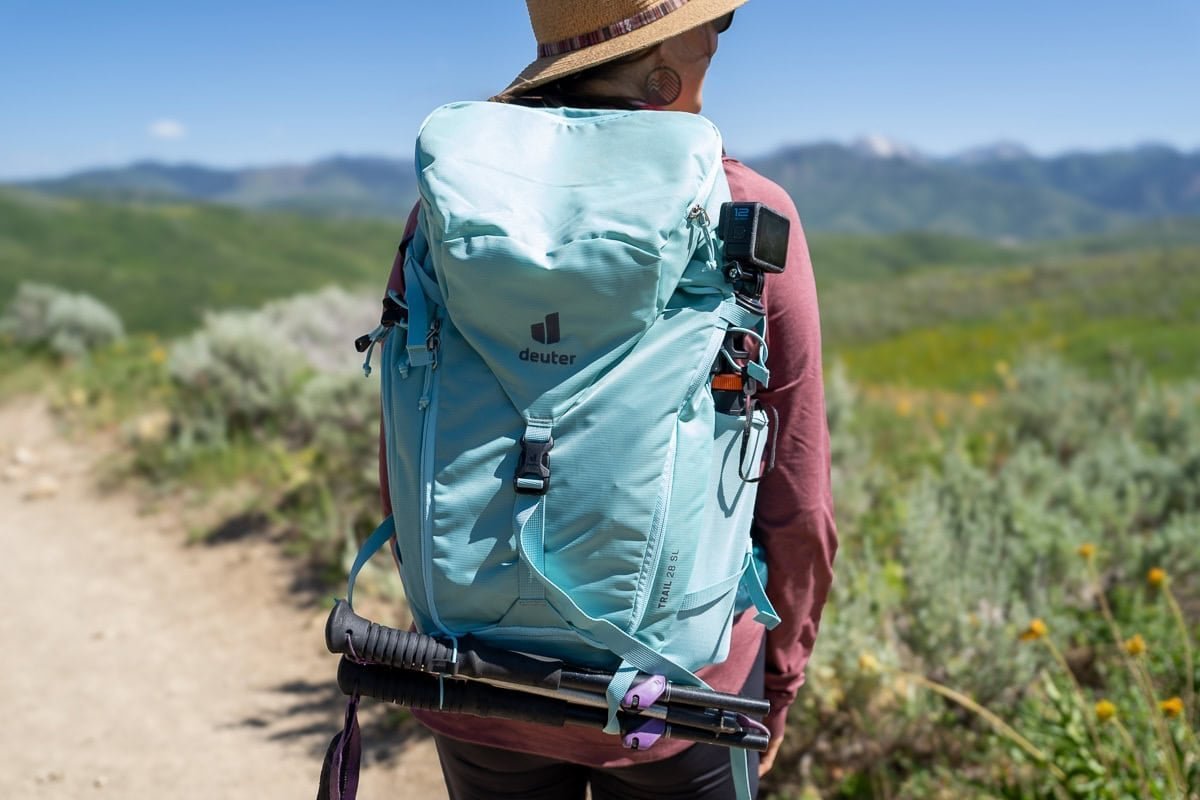
No, it isn’t safe to carry a heavy pack every day if it exceeds 20% of your body weight. You risk long-term strain on your spine and shoulders, so remove unnecessary gear regularly to keep the total weight as low as possible for your needs.
What happens if the backpack gets wet?
Most outdoor backpacks are water-resistant but not waterproof, meaning your gear will get wet in heavy rain. You should use a dedicated rain cover or a dry bag inside the main compartment to keep your clothes and electronics protected during storms.