
When learning how to choose a backpack for travel, prioritize an adjustable suspension system to distribute weight across your hips rather than your shoulders, as the best fit depends on your torso length and the total weight you intend to carry.
How to choose a backpack for travel

Selecting the right bag involves balancing storage capacity against your physical comfort and the airline rules you must follow.
| Method | How long | Effort | Cost | Best for |
|---|---|---|---|---|
| Internal Frame | 1-2 hours | Medium | High | Long trips |
| Travel Duffel | 10 minutes | Low | Low | Short hops |
| Wheeled Pack | 30 minutes | Low | Medium | Urban travel |
Structured hiking packs
These bags feature a rigid internal frame designed to transfer the load to your pelvic girdle.
- Measure your torso length from the C7 vertebra to the iliac crest.
- Select a frame size that matches this measurement; if you choose the wrong size, the hip belt won’t sit correctly, causing back strain.
- Tighten the hip belt first, then adjust the shoulder straps so they don’t pinch.
- Use the load lifters at the top of the straps to pull the pack close to your back.
These packs excel at carrying heavy loads over long distances. However, they’re often too large for airline carry-on requirements, so always check the TSA carry-on bag size limits before heading to the airport. They aren’t for people who prefer moving quickly through crowded transit hubs.
Versatile carry-on duffels
These soft-sided bags offer maximum internal volume without the bulk of a frame.
- Select a bag with dimensions no larger than 22 x 14 x 9 inches to meet most airline standards.
- Pack heavier items at the bottom near your back to keep the center of gravity stable.
- Use internal compression straps to keep your clothes from shifting during transit.
- Secure the exterior zippers with a small lock if you plan to check the bag.
They’re ideal for travelers who want to avoid checked baggage fees. The main weakness is the lack of padding, which can make them uncomfortable if you have to walk long distances between terminals.
Hybrid wheeled backpacks
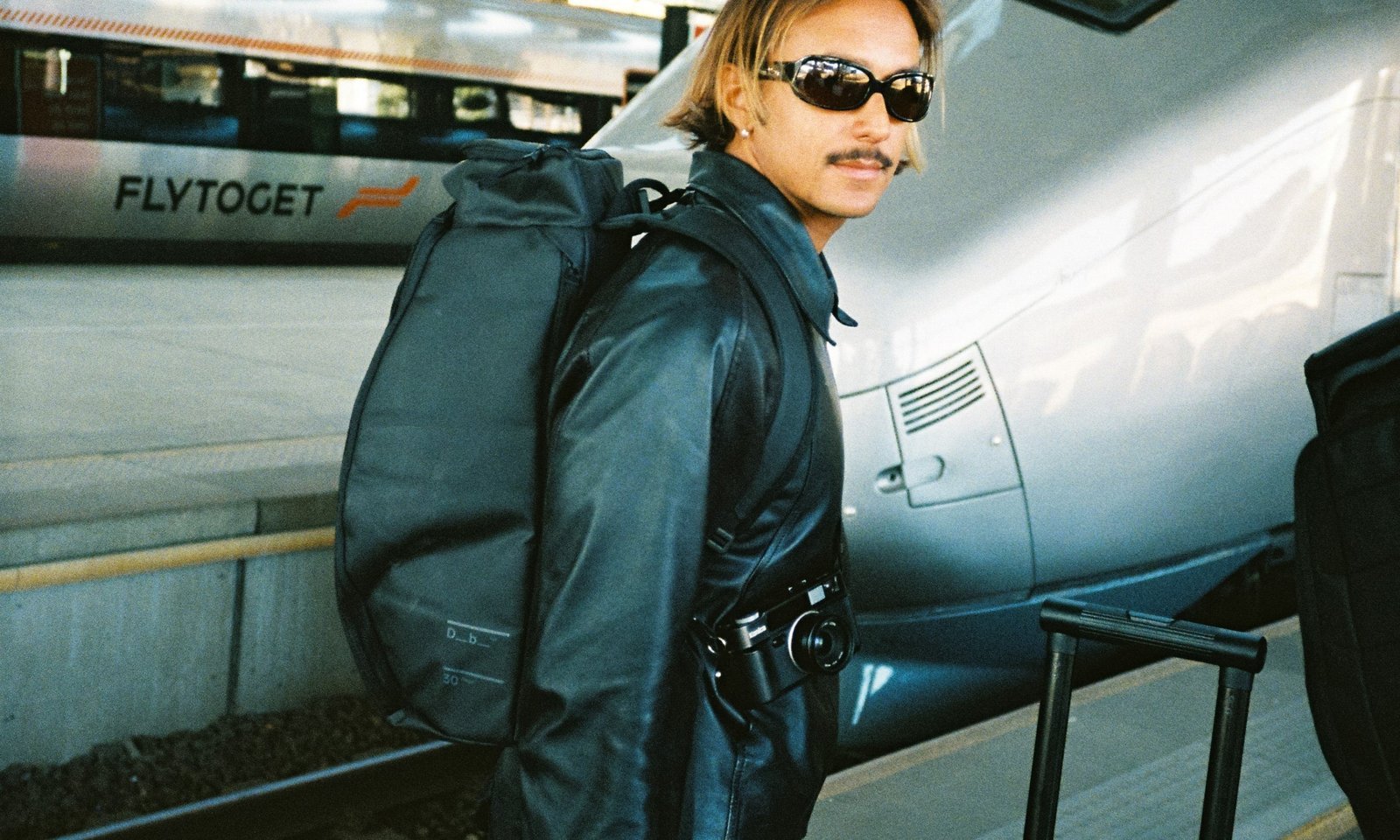
These bags combine traditional shoulder straps with wheels and a retractable handle.
- Extend the handle fully to ensure it locks in place before pulling.
- Tuck the shoulder straps into the designated rear pocket to prevent them from catching on escalators.
- Position the bag so the wheels are on the ground when you stop to prevent it from tipping.
- Wipe the wheels with a damp cloth after outdoor use to keep grit out of the bearings.
They’re excellent for travelers with joint issues who want to avoid carrying heavy weight. This varies by model — check the label for the total weight capacity, as the frame adds significant empty weight compared to soft bags.
Which one should you use?
If you’re in a hurry, pick a travel duffel because it requires no fitting or adjustment and fits easily into overhead bins. If you’re doing this for the first time, choose a hybrid wheeled pack; it offers the most flexibility if you find the weight too difficult to carry on your back. If you want the best possible result whatever it takes, go with an internal frame pack. It provides the superior ergonomic support needed for long-term travel. Remember the trade-off: comfort and frame support usually mean extra weight and bulk, while convenience and speed often come at the expense of long-term back health.
The rules that apply whichever way you choose
Regardless of the bag style, you must maintain a consistent weight distribution. Always pack the heaviest items closest to your spine to prevent the bag from pulling you backward. Check your straps for fraying or loose stitching before every trip to avoid gear failure. At the end of your travels, store the pack in a cool, dry place away from direct sunlight to prevent fabric degradation. If your pack has a complex suspension system, consult a professional outdoor retailer for a custom fitting. Improper fitting can lead to nerve compression or muscle fatigue, which is why experts recommend professional adjustment for heavy-duty frames.
Frequently asked questions
Can I take a 50-liter backpack as a carry-on?
No, most airlines limit carry-on bags to roughly 40 liters or less. Anything larger will likely exceed the dimensions required for overhead bins, forcing you to check the bag at the gate and pay additional fees based on the airline’s specific policy.
Why is my backpack causing shoulder pain?
It’s likely because the hip belt isn’t carrying enough of the weight. If the pack is adjusted so that the straps pull down on your shoulders instead of resting on your hips, your upper body will experience unnecessary strain and fatigue.
How long should a travel backpack last?
A high-quality bag should last for many years with regular use. This varies by model — check the label for material durability, as lightweight fabrics will wear out faster than heavy-duty nylon or polyester used in professional-grade gear.
Is it safe to store my backpack in a damp basement?
No, storing a pack in a damp environment encourages mold and mildew growth on the fabric and straps. Always ensure your bag is completely dry before putting it into long-term storage to maintain the integrity of the materials and internal components.
What happens if my backpack zipper breaks?
You’ll likely need to contact the manufacturer to see if they offer a repair service or a warranty replacement. Many premium brands offer lifetime guarantees, but attempting to force a jammed zipper can permanently damage the teeth and void your coverage.
Final Thoughts
Once you’ve found the right bag, don’t just store it in your closet. Load it up with your gear and take a brisk walk around your neighborhood to test the comfort. You’ll quickly see how it feels in motion, so you won’t be caught off guard during your first real adventure.