
Deciding that an everyday bag is the best lifestyle backpack for travel depends on trip length: they work for 1-to-3-day urban trips, but fail on week-long vacations. Their compact frames fit under airplane seats, yet they lack the load-bearing hip belts needed for heavy gear.
The best lifestyle backpacks for travel
Photo: www.reuniontower.com on Google
- Capacity stays between 18 and 25 liters, which fits under airline seats but holds only 2 to 3 days of clothing.
- You trade heavy suspension systems for cleaner urban styling that looks natural in city centers and coffee shops.
- Carrying comfort drops sharply above 15 pounds (6.8 kg) because lifestyle bags use flat shoulder straps without load lifters.
- Laptop protection is built-in for screens up to 16 inches, but deep main storage space is limited.
- If your loaded bag weighs under 12 pounds, use it; if your packed weight tops 15 pounds, switch to a dedicated travel harness.
Why everyday styling limits heavy hauling
Lifestyle bags prioritize a clean silhouette and light textiles over dynamic load distribution. They rely on thin foam back panels that press flat against your spine. In contrast, technical travel packs use curved aluminum stays, raised mesh chimneys, and padded hip wings. According to the American Chiropractic Association backpack safety tips, a loaded backpack shouldn’t exceed 10 to 15 percent of an adult’s body weight to prevent spinal strain and postural fatigue.
When you walk through airport terminals with 18 pounds in an everyday bag, 100% of the weight hangs directly off your trapezius muscles. The bag sags backward, pulling your shoulders out of alignment. You also face a clear trade-off: a sleeker visual profile means thinner fabrics and fewer internal compression straps. That keeps the empty bag light, but it allows packed clothes to shift downward while walking, changing your center of gravity. This varies by model — check the label for true volume and empty shell weight before buying.
This design isn’t for long-distance walkers, wilderness campers, or travelers visiting multiple climate zones on a single itinerary.
When the answer is different
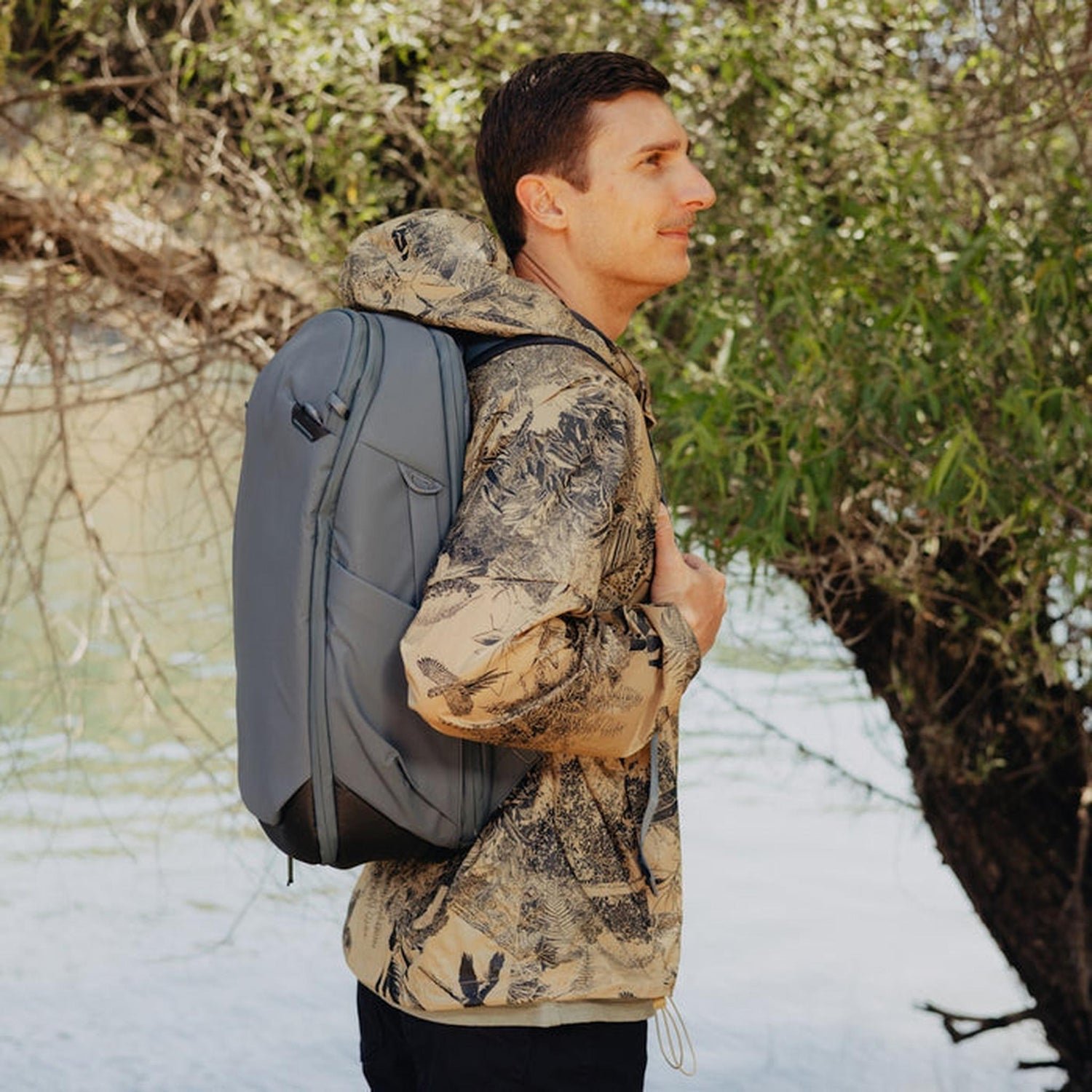
Air travel, climate changes, and trip length change whether an everyday bag works.
| Situation | What changes | What to do instead |
|---|---|---|
| One-week vacation | Clothing bulk exceeds 25 liters | Take a 35-liter clamshell travel bag |
| Multi-mile walking tours | Shoulder straps dig into neck | Pick a bag with padded hip straps |
| Rainy outdoor destinations | Canvas and urban nylon absorb water | Use an exterior waterproof rain cover |
| Photography trip with heavy glass | Total carry weight exceeds 15 pounds | Switch to an internal frame pack |
| Budget flight with personal item only | Overhead bins are off-limits | Pack this lifestyle bag under seat |
How to do it properly
- Empty the bag fully and measure the interior depth, width, and height using a standard tape measure.
- Put flat clothing inside two medium compression packing cubes, squeezing them down to 3 inches of thickness each.
- Slide your laptop into the dedicated sleeve against the back panel so the densest item sits nearest your spine.
- Place the compressed clothing cubes flat in the bottom half of the main compartment.
- Pack your toiletry pouch, liquids bag, and charging cords into the top third for fast security checks.
- Put the pack onto both shoulders, tighten both shoulder straps until the base rests above your beltline, and test walk for 5 minutes.
The mistakes that ruin it
- Packing loose shoes inside the main area wastes half the pack’s usable capacity and soils clean shirts.
- Buying a fashion backpack made of untreated cotton canvas costs you soaked gear during the first unexpected rainstorm.
- Forgetting to measure your packed depth against airline personal item gauges costs you a significant fee in airport gate-check charges.
- Using a loose shoulder strap setting drops the bag below your lumbar curve, causing lower back ache within an hour.
Frequently asked questions
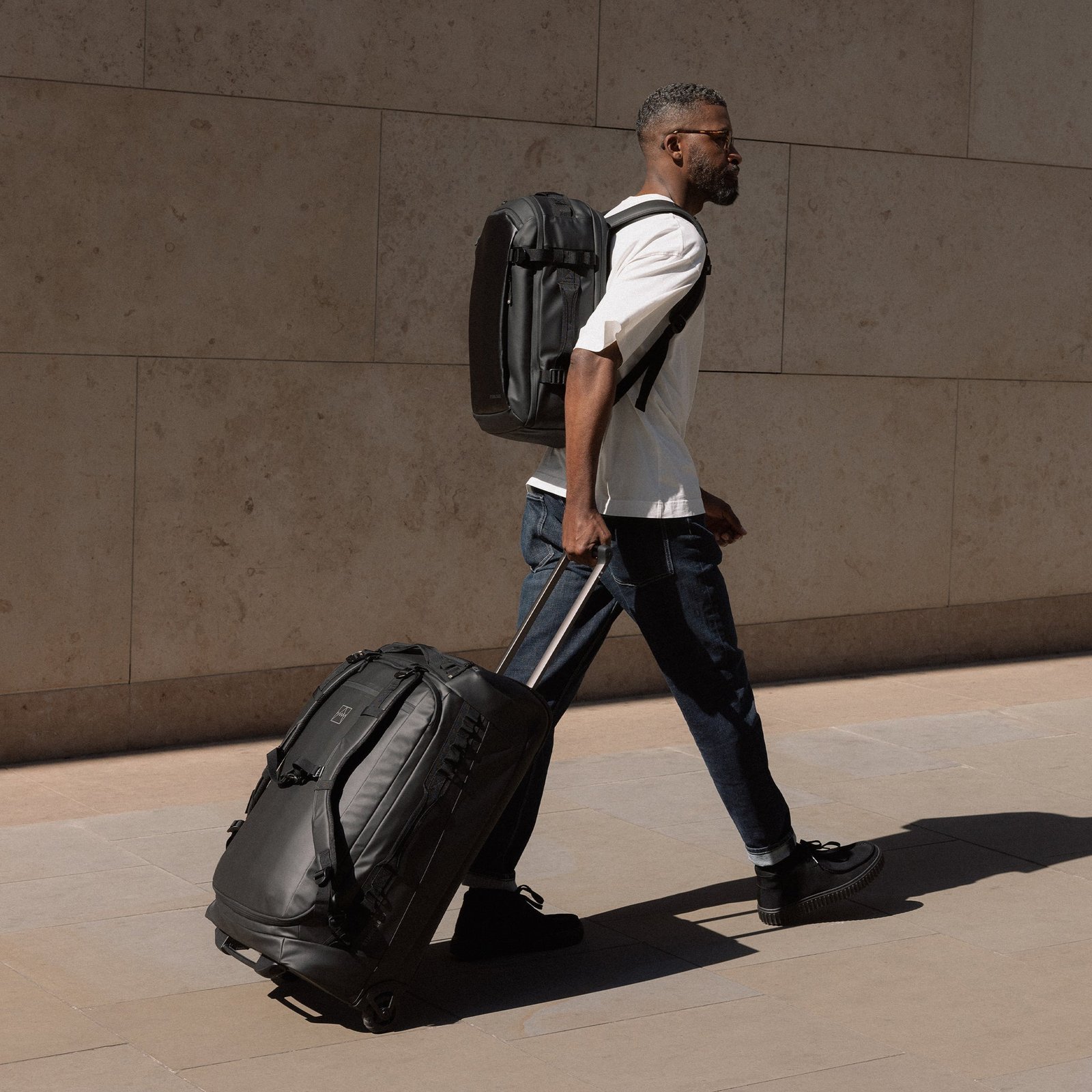
Can a lifestyle backpack count as an airline personal item?
Yes. Most lifestyle packs stay under 18 x 14 x 8 inches when packed reasonably. They slide straight under the seat in front of you on major airlines, saving you carry-on bag fees.
Why do my shoulders hurt carrying a lifestyle pack?
Your pack is too heavy for flat straps. Lifestyle bags lack internal load-bearing frames and hip belts, so every ounce rests on your shoulder joints and upper back muscles rather than your hips.
How long does a lifestyle bag last for frequent travel?
About 2 to 4 years under regular monthly flights. High-wear stress points around top handle stitching and light zippers usually show visible wear or failure before the main body fabric tears.
Is it safe to carry expensive tech in them?
Yes, if the pack has a false bottom laptop sleeve. A false bottom keeps your computer suspended 1 inch above the floor, protecting it from sudden drops when you set the bag down.
What happens if it rains on a lifestyle pack?
Your clothes get wet inside 15 minutes unless the bag uses coated zippers and treated fabrics. Most lifestyle backpacks use water-resistant coatings that repel light mist, but not steady, soaking rainfall.
Does bag volume matter more than bag weight?
No. Weight matters much more for your comfort during long travel days. A 20-liter bag packed with dense electronics will exhaust your back faster than a light, full 30-liter pack.
Final Thoughts
Choosing the right pack comes down to how much you’re willing to carry on your back. If you’re planning a quick getaway, grab your favorite bag and head out. You’ll find that traveling light makes every journey easier. Just don’t forget to double-check those airline size restrictions before you leave.