
If you are asking what is a small backpack, it is a compact bag holding 10 to 20 liters, intended for daily use or short commutes. These bags fit essentials like a tablet, water bottle, and light jacket without the bulk of a hiking pack.
What is a small backpack: The Basics
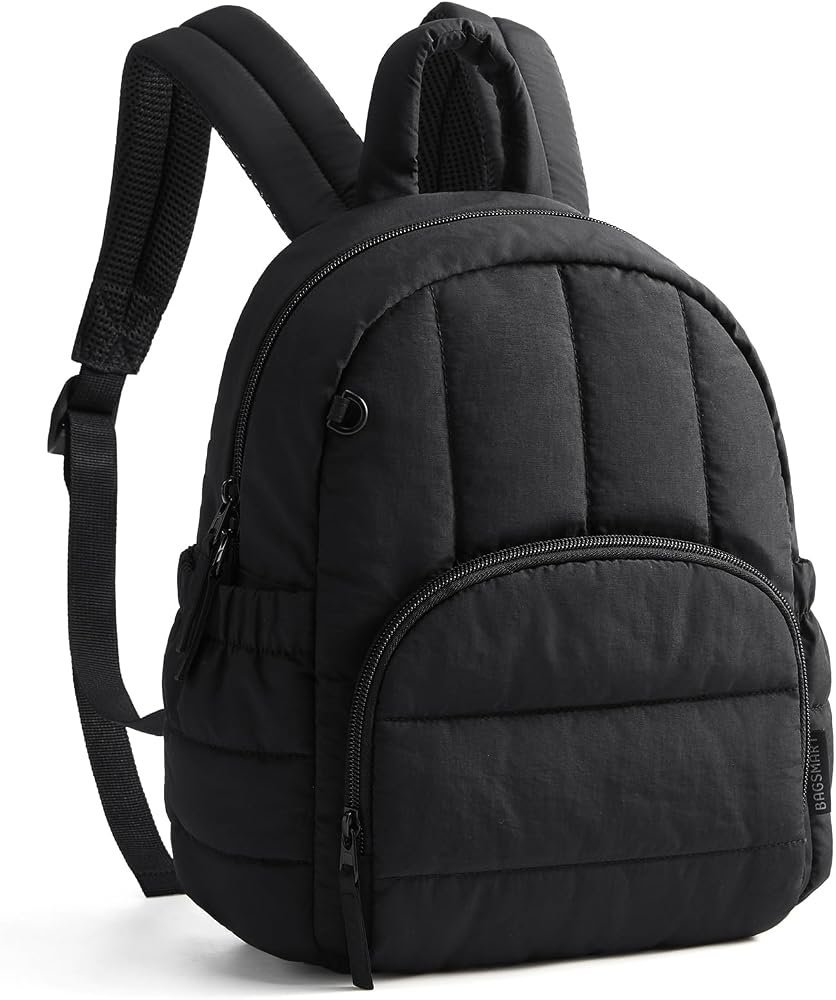
The core value of this gear is its weight distribution. By keeping the load close to your spine, it prevents the shoulder strain common with messenger bags. If you carry heavy electronics, look for a model with a dedicated sleeve; if you only carry loose items, a simple drawstring style works better.
The most common mistake is overpacking. Many people try to force a full-sized laptop or gym gear into a 10-liter bag, which ruins the zipper and makes the straps dig into your shoulders.
Choosing the right daily carry
- Measure your torso length from the base of your neck to the top of your hip bone to ensure the straps sit comfortably.
- Select a bag with at least two compartments to separate your electronics from your water bottle or snacks.
- Check the material durability; bags made of 500D Cordura nylon are common for daily wear, as noted by technical textile research from North Carolina State University.
- Adjust the shoulder straps so the bottom of the bag rests just above your waistline. Tip: If the bag hangs below your lower back, it will pull on your shoulders and cause discomfort after only a short walk.
- Secure all zippers fully before moving to prevent items from falling out during transit. Tip: Never leave the top zipper partially open, as this puts uneven pressure on the fabric and can cause the teeth to misalign over time.
- Clean the interior weekly by shaking out loose debris to prevent grit from wearing down the inner lining.
How long it takes
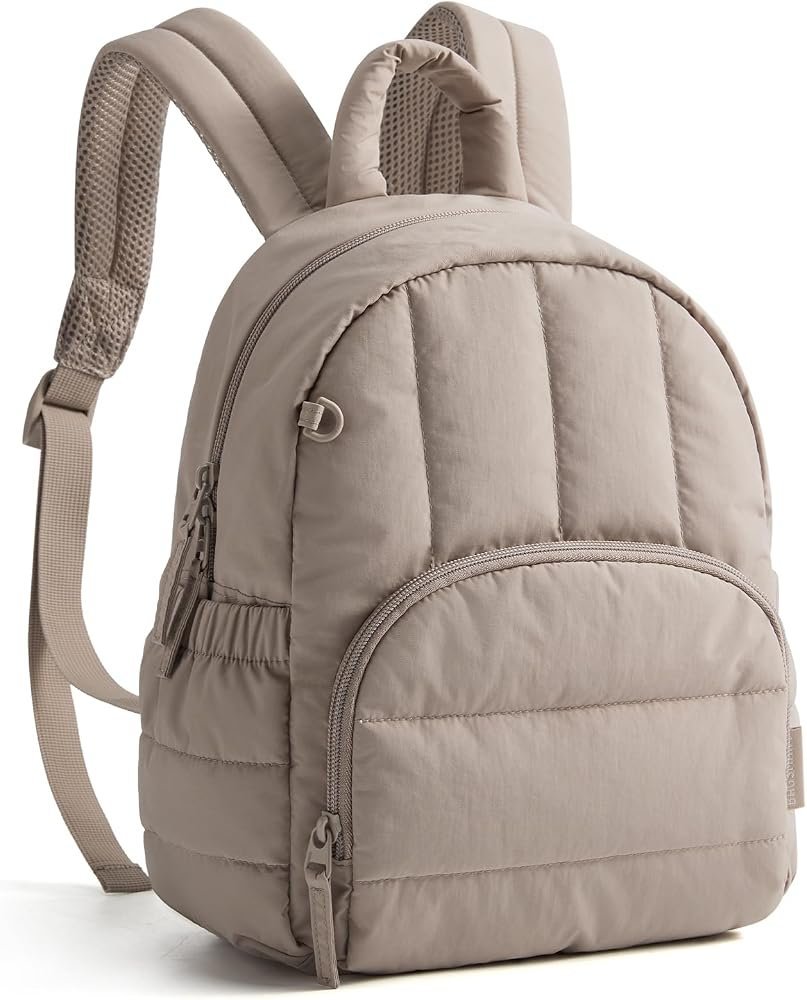
The time it takes to organize or pack a small backpack depends on how many items you carry and how well you use the internal pockets.
| Situation | How long | What changes it | What to watch for |
|---|---|---|---|
| Minimalist carry | 30 seconds | Number of items | Loose cables |
| Tech-heavy setup | 2 minutes | Cable organization | Battery bulk |
| Full day use | 3 minutes | Size of jacket | Weight balance |
If it takes you longer than three minutes to pack for a standard day, you’re likely carrying items you don’t need, which adds unnecessary weight to your frame.
How to tell when it’s done
You know the bag is packed correctly when the weight feels balanced against your back and the shoulder straps don’t pull backward. A properly packed bag should stay upright when placed on a flat surface, assuming it has a structured base. If the bag leans heavily to one side, you have unevenly distributed your items. The final test is the “shake test”: if you jump lightly and the bag doesn’t shift or sway against your torso, the tension is correct. This varies by model — check the label for specific weight limits, as overloading a small frame can cause premature seam failure.
Mistakes that ruin it
- Ignoring the weight limit. Exceeding the manufacturer’s suggested weight causes the seams to pull apart and ruins the shoulder padding. Check the product tag for the max load and don’t go over it.
- Storing sharp items loose. Placing keys or pens without a case inside the main compartment creates holes in the lining. Use a small pouch or the front pocket for sharp objects.
- Carrying only on one shoulder. This habit creates uneven pressure on your spine and causes the strap padding to wear out on one side only. Always use both straps to distribute the load across your chest and back.
- Leaving it on the floor. Keeping the bag on the ground exposes it to dirt and moisture, which breaks down the fabric coating over time. Use a hook or a chair to keep it off the floor.
Frequently asked questions
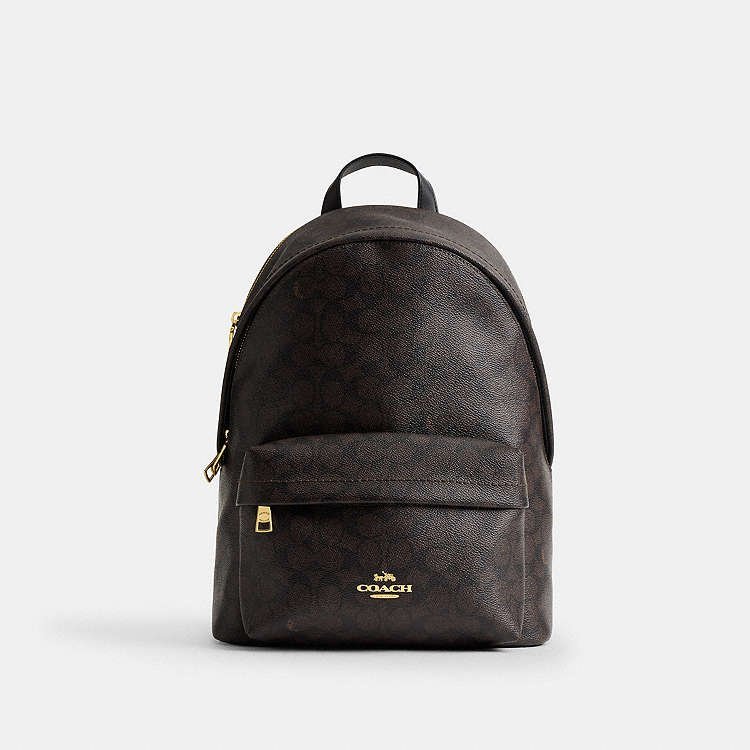
Can I fit a laptop in a small backpack?
Yes, you can fit a laptop if the bag is at least 15 liters and has a dedicated padded sleeve. Always check the dimensions of your device against the bag’s internal specs, as a 13-inch laptop often fits, but a 15-inch model usually requires a larger pack.
Is it safe to carry heavy books in a small backpack?
No, it isn’t recommended because the narrow straps on small bags don’t have enough padding to support heavy loads. Carrying heavy books for long periods will likely cause shoulder pain and may tear the stitching where the straps connect to the bag body.
How long does a small backpack last?
A high-quality nylon bag typically lasts for several years with daily use. This lifespan depends on how often you clean the bag and whether you respect the weight limits provided by the manufacturer in the product manual.
What happens if the zipper breaks?
If a zipper breaks, you can often fix it by using pliers to gently tighten the slider, but it’s usually a sign that the bag is overloaded. If the teeth are missing, the bag can’t be repaired and you’ll need to replace the unit.
How do I know if the bag is too small?
The bag is too small if you can’t close the main zipper without forcing the fabric together. You should have about an inch of space at the top after packing your essentials to ensure the zipper doesn’t experience too much tension during your daily commute.
Final Thoughts
Choosing the right bag makes your daily routine feel much smoother. Before you head to the store, think about the items you truly need to carry every day. It’s worth picking a style that fits your personality, so you’ll enjoy wearing it while you’re out exploring the city.