
To keep your device safe during travel, you should always place your laptop in a dedicated, padded sleeve inside a protective compartment to ensure it remains immobile, which is how to carry macbook in backpack setups for maximum security. This method prevents physical pressure and accidental drops from damaging your hardware.
Why it works
The main secret is limiting movement and pressure. If your laptop slides around, the corners take high-impact stress during sudden stops or falls. The most common mistake is placing the device in the main bag area without a sleeve, which exposes the screen to pressure from heavy books or water bottles.
If you have a heavy bag, keep the laptop in the compartment closest to your back. This creates better weight distribution and prevents the device from bending.
Steps for secure transit
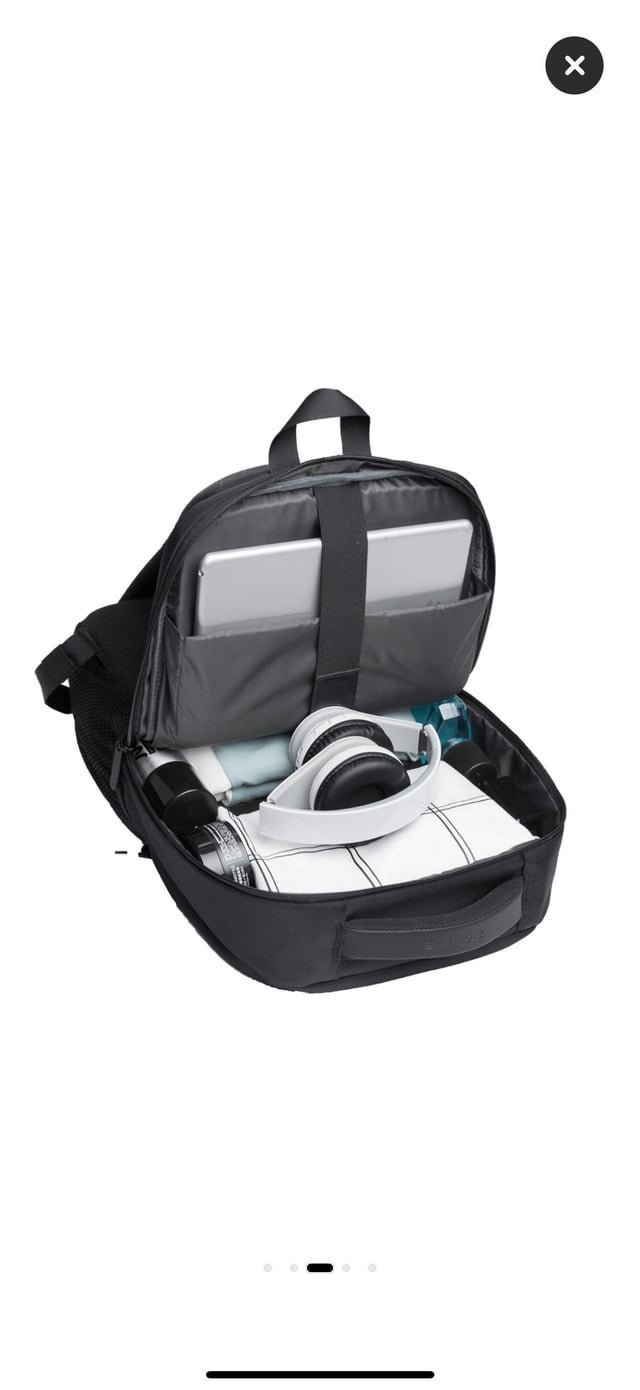
- Slide your device into a dedicated, shock-absorbent sleeve that fits your specific model dimensions snugly.
- Open the backpack and locate the laptop sleeve or padded compartment usually found against the back panel.
- Insert the device vertically, with the hinge facing downward to protect the screen from impact forces if the bag hits the floor. Tip: If your bag lacks a dedicated sleeve, buy a rigid hardshell case to prevent screen cracking.
- Close all zippers completely to ensure no small items, like keys or pens, fall into the compartment and scratch the aluminum casing.
- Tighten the backpack straps until the bag sits high on your back, which prevents the laptop from shifting while you walk.
- Check the Apple laptop care guidelines regarding temperature limits, as leaving a device in a hot or cold vehicle can damage internal battery cells. Tip: Never overstuff your bag, as excessive pressure against the laptop lid can cause permanent display damage.
How long it takes
The time required to pack your bag depends on your organization and the number of items you carry.
How to tell when it’s done
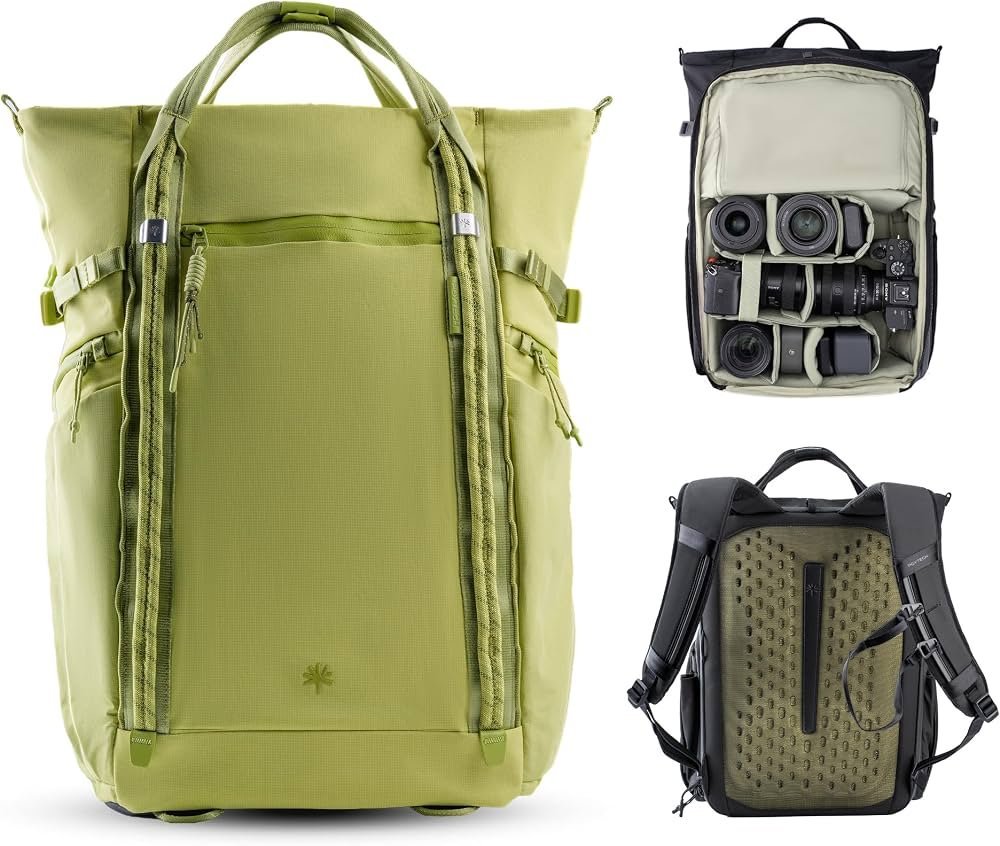
You know the device is secure when you shake the backpack gently and hear no shifting or sliding inside. The laptop should feel like a firm, structural part of the bag rather than a loose weight. If you press the back panel of the backpack, you should feel a layer of padding between your fingers and the hard surface of the laptop. If the bag feels soft or the laptop moves, add a layer of clothing or a thin foam sheet to fill the gap. This ensures the device stays stationary even if you run to catch a bus.
Mistakes that ruin it
- Placing the device against sharp objects: Keys, pens, or metal water bottles inside the same pocket will scratch the finish or crack the screen under pressure. Always use a dedicated, isolated compartment for the laptop.
- Leaving the device in extreme temperatures: Leaving a bag in a hot car for several hours can degrade the battery chemistry and warp the internal components. Always bring your laptop with you if you leave the vehicle.
- Ignoring the weight balance: Carrying a laptop in the front pocket shifts the center of gravity and increases the risk of the bag tipping over. Always load the laptop in the slot closest to your spine to keep the weight centered.
- Forcing the zipper shut: If you struggle to close the bag, the pressure on the laptop lid can cause the screen to crack. If the bag is full, remove items instead of forcing the seal.
Frequently asked questions
Can I carry my MacBook in a regular backpack?
Yes, you can use a regular backpack, but you must use a dedicated, padded sleeve to protect the device. A standard bag lacks the shock-absorbing panels necessary to prevent screen damage from bumps or drops during daily transit.
How do I protect my MacBook screen from pressure?
You should always place the laptop in a rigid, padded compartment with the hinge facing down. Never pack heavy items like books or thick water bottles directly against the laptop, as this creates uneven pressure that can cause the screen to shatter.
Is it safe to carry a MacBook in a backpack on a plane?
Yes, it’s safe to carry your device in a backpack, but you must keep it with you in the cabin. Never check a laptop in your luggage, as the cargo hold experiences extreme temperature changes and rough handling that can damage the hardware.
What happens if my backpack gets wet?
If your bag gets wet, the moisture can seep into the ports and cause short circuits. You should place your laptop inside a waterproof sleeve or keep a rain cover over your backpack if you’re walking in heavy rain or snow.
How long can I leave a MacBook in a backpack?
You shouldn’t leave a laptop in a bag for more than a few hours if the environment isn’t climate-controlled. Extended periods in high heat or freezing cold will shorten the battery lifespan and can cause the screen components to become brittle.
Final Thoughts
Once your laptop is tucked away, you’ll have peace of mind while you’re on the move. Don’t forget to wipe down your screen and keyboard with a soft cloth every few days to keep everything looking brand new. You’ll be glad you took the extra care when you’re ready to start working.