
Is a backpack better for your back? Yes, because it distributes weight evenly across your shoulders and back. Using two straps keeps your spine aligned, preventing the uneven stress that causes chronic pain for many daily commuters.
Is a backpack better for your back?
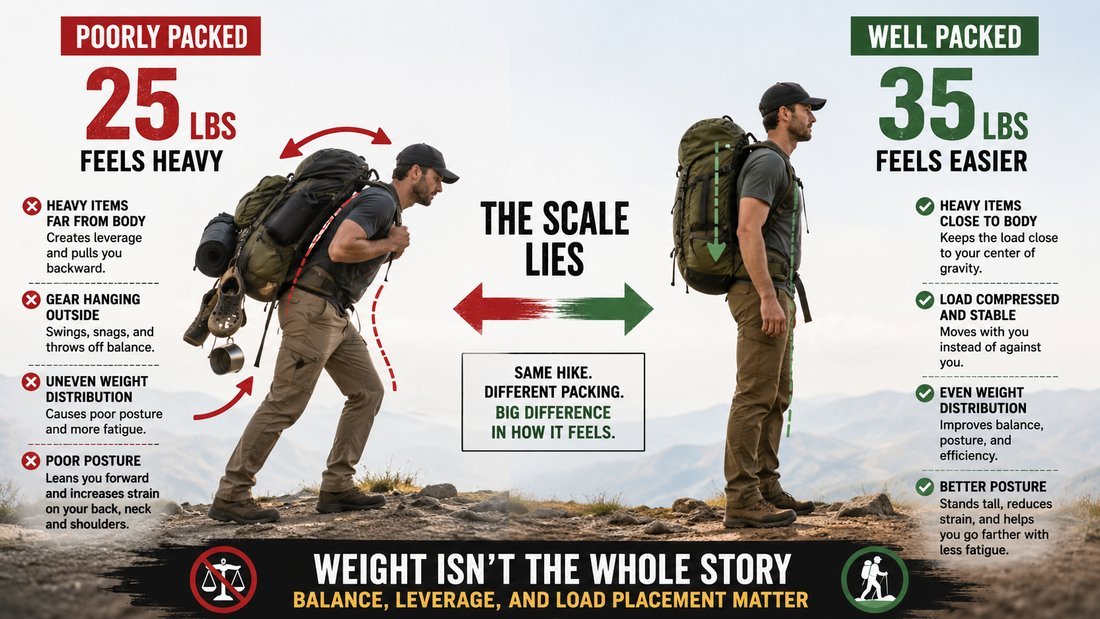
A backpack works by keeping the load close to your center of gravity. When you wear one correctly, the weight rests on your pelvis rather than pulling on your neck or pulling one shoulder down. This balance is crucial for maintaining a natural posture while you move throughout the day.
The biggest mistake is wearing the straps too loose. When a bag hangs low against your lower back, it forces you to lean forward to compensate for the weight. This shift puts heavy pressure on your lumbar discs, leading to fatigue and soreness within minutes.
Proper strap and load management
- Choose a pack with wide, padded straps to spread the weight over a larger area of your shoulders.
- Tighten both straps until the bag sits high against your back, ideally with the bottom resting just above your waistline.
- Use the chest or waist belt if your pack has one, as a properly fitted waist belt transfers the majority of the weight from your shoulders to your hips.
- Pack the heaviest items closest to your back and center them to keep the load stable.
- Limit the total weight of your pack to no more than 10% to 15% of your own body weight. According to the American Academy of Pediatrics, keeping the load light is the most effective way to avoid strain on developing spines and muscles.
- Always use both straps; slinging a heavy pack over one shoulder causes the same spinal twisting as a messenger bag.
Tip: If you feel numbness or tingling in your arms, your straps are likely too tight or pressing on nerves; adjust them immediately to restore circulation.
How long it takes
The time spent adjusting your backpack varies based on the design and the amount of gear you carry.
If you find that you must adjust your straps every hour, your bag is likely too heavy or the frame doesn’t fit your torso length correctly.
How to tell when it’s done
You know the bag is fitted correctly when it feels like a natural extension of your body. The top of the pack shouldn’t rise above your shoulders, and the bottom shouldn’t hit your lower back or tailbone. When you walk, the bag shouldn’t sway side-to-side or bounce against your spine. If you feel a sharp pull on your neck muscles, the load is too far away from your body; tighten the shoulder straps until the pack sits flush against your back. This remains the gold standard for preventing muscle fatigue during long walks.
Mistakes that ruin it
- Wearing the pack too low: This forces your spine into an unnatural curve and increases pressure on your lower back. Always pull the straps tight so the bag sits high against your mid-back.
- Carrying uneven loads: Placing heavy items on one side causes you to lean, which leads to muscle imbalances and uneven strain on your vertebrae. Keep heavy books or electronics centered at all times.
- Ignoring the frame size: A bag that’s too long for your torso will hit your lower back and cause pain regardless of how you adjust the straps. If you’re tall or short, look for a model with an adjustable back panel to ensure the weight rests on your hips.
- Overloading the pack: Carrying more than 15% of your body weight causes you to compensate with poor posture, which ruins any ergonomic benefit. If your bag is too heavy, remove non-essential items or use a rolling case instead.
Frequently asked questions
Can a backpack cause scoliosis?
No, a backpack doesn’t cause scoliosis, which is a structural condition of the spine. While carrying a heavy, uneven load can cause temporary postural changes or muscle pain, it doesn’t change the physical shape of your bones or lead to permanent spinal curvature.
Why does my back hurt after wearing a backpack?
Your back hurts because the bag is either too heavy or fitted incorrectly, causing your muscles to overwork. If the bag hangs too low or is packed with heavy items far from your body, your spine must twist or lean to compensate, which quickly leads to muscle strain.
How long can you wear a backpack safely?
You can wear a properly fitted backpack for several hours at a time without issue, provided the weight is under 15% of your body mass. If you’re hiking or carrying heavy gear, take the pack off periodically to let your muscles recover.
Is it safe to wear a backpack on one shoulder?
No, it isn’t safe to wear a backpack on one shoulder for long periods because it creates an uneven weight distribution. This habit pulls your spine to one side, leading to shoulder pain, neck strain, and potential muscle imbalances that can cause long-term discomfort.
What happens if the backpack is too heavy?
A backpack that’s too heavy forces your body to lean forward, which puts excessive pressure on your lumbar discs and neck. This strain can lead to chronic soreness, fatigue, and headaches, and it often results in a rounded posture that persists even when you aren’t carrying the bag.
Final Thoughts
Choosing the right bag doesn’t have to be complicated, but your body will thank you for the extra support. Next time you head out, check that both straps are snug and resting comfortably. It’s a simple change that’ll make your daily commute feel much lighter and keep you pain-free for years.