
You protect your computer and back by using a dedicated laptop sleeve and placing it in the main compartment, which is exactly how to carry laptop in backpack to ensure safety. This job takes about two minutes of your time and costs nothing if you already own a padded bag.
Essential gear for carrying your laptop
Photo: eumeworld.com on Google
This task is very easy for anyone to complete in under two minutes. You need no special tools, but you must own a backpack with an internal padded sleeve or a separate protective case. Always check your specific laptop manual for temperature limits if you travel in extreme weather.
What you need
| Item | How much | Why it’s needed | A substitute |
|---|---|---|---|
| Padded sleeve | 1 unit | Prevents screen cracks | Thick microfiber cloth |
| Main compartment | 1 space | Keeps weight centered | None — don’t swap |
| Cable organizer | 1 pouch | Stops scratching surfaces | Soft cotton bag |
| Power brick | 1 unit | Stays in side pocket | None — don’t swap |
| Heavy books | 1-2 items | Keeps bag upright | None — don’t swap |
Before you start
- Power down the computer completely to prevent overheating or disk damage.
- Unplug all external accessories, including mice and USB drives, to avoid port damage.
- Clear the main compartment of any sharp objects like pens or keys.
- Wipe the laptop surface with a dry cloth to remove debris.
- Check the laptop handling guidelines from the manufacturer regarding safe transport temperatures.
Step by step
- Slide your laptop into the protective padded sleeve until it’s fully covered by the fabric.
- Open the main compartment of your backpack by unzipping it completely to see the internal sleeve.
- Place the sleeved laptop into the dedicated internal sleeve, ensuring the screen faces your back.
- Position the laptop vertically so the weight rests against the padded back panel of the bag.
- Place heavy items like books in the center of the bag to keep the weight balanced.
- Store your power adapter in a separate side pocket to prevent pressure on the laptop screen.
- Zip the main compartment shut until the zippers meet at the top or side center.
- Tighten the shoulder straps so the bag sits high and close to your upper back muscles.
- Lift the bag using the top handle first to ensure the weight feels even and stable.
How to know it worked
Photo: carrypro.in on Google
You know the setup is correct if the bag stays upright when you set it on the floor. The laptop shouldn’t shift or slide when you tilt the backpack. If you feel a hard edge pressing against your spine, the bag is packed incorrectly or the laptop isn’t centered. You should be able to walk at a normal pace without the bag swinging side to side. If the laptop hits your lower back, tighten the straps until the top of the bag sits level with your shoulders.
If something goes wrong
| What happened | Why | What to do |
|---|---|---|
| Zipper is stuck | Overfilled bag | Remove one heavy book |
| Bag feels heavy | Poor weight balance | Move items to center |
| Laptop slides out | Sleeve is too big | Use a smaller sleeve |
| Screen has marks | Pressure damage | Remove items from front |
| Shoulder pain | Straps are loose | Tighten straps higher |
How often to do this
You should follow this packing method every time you commute. If you travel daily, check the integrity of your bag’s padding once a month. If you notice the foam inside the sleeve becoming thin or flat, the protection level drops significantly. This varies by model — check the label on your bag for weight limits, as overloading a standard daypack can cause the seams to tear regardless of how well you pack.
Frequently asked questions
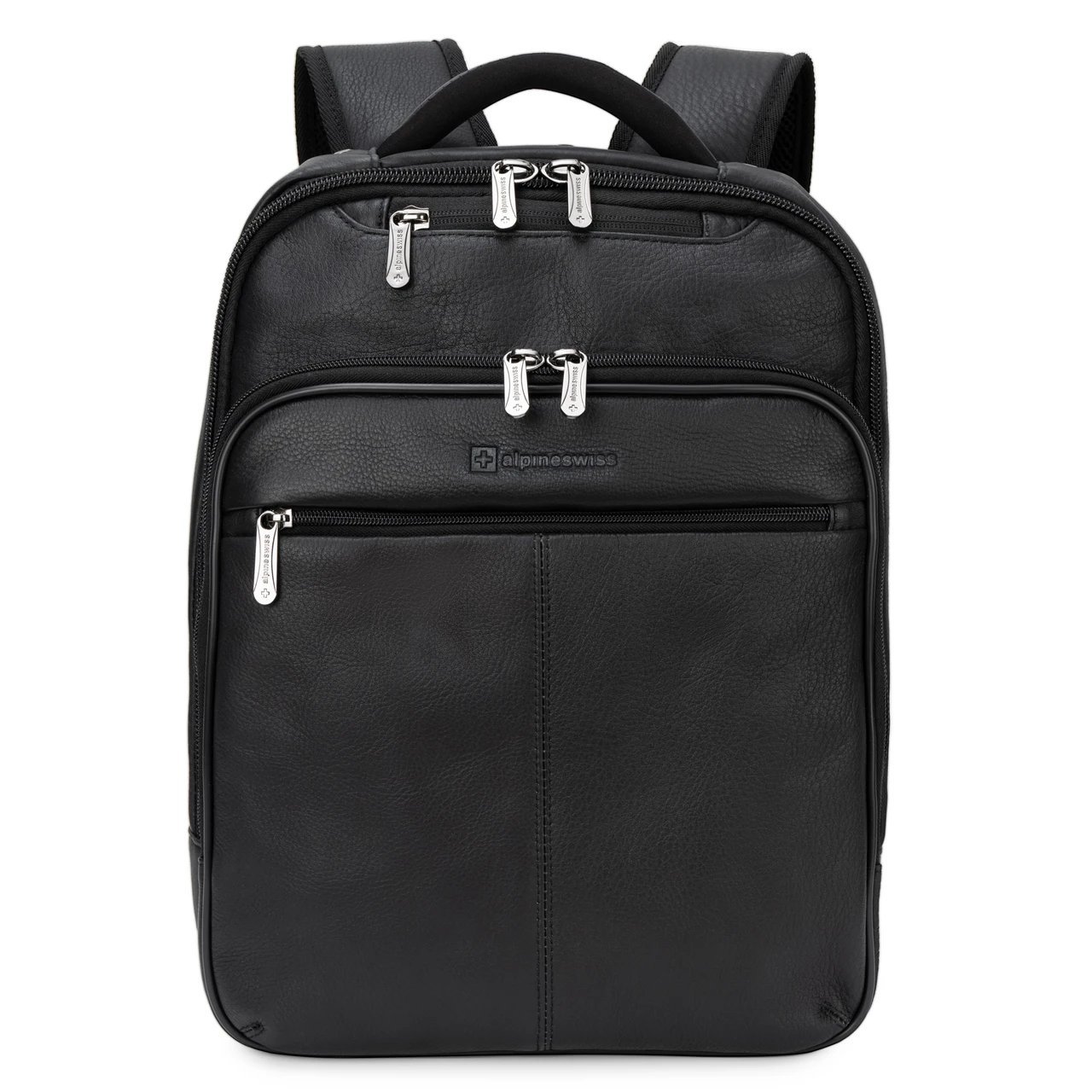
Can I carry my laptop in the front pocket?
No, the front pocket lacks the necessary padding and structural support to protect your screen. Always use the main compartment, which is designed to hold heavy items close to your body and away from impacts.
Is it safe to carry a laptop in a backpack with water?
No, liquid spills are a top cause of hardware failure. Keep your water bottle in an external side pocket or inside a sealed, waterproof bag to prevent any moisture from reaching the electronics.
How long can a laptop stay in a backpack?
What happens if I drop my backpack?
A drop can cause internal damage even if the case looks fine. If you drop your bag, check the screen for flickering lines or physical damage.
Does it matter if the laptop is upside down?
Orientation doesn’t affect weight distribution, but keeping the laptop upright is standard practice for ease of access.
Is it safe to carry heavy books with my laptop?
Yes, but only if they’re placed in the center of the bag. If you put heavy books on top of the laptop, the pressure can easily crack the display panel.
How do I know if my backpack is too small?
If the zipper doesn’t close easily, the bag is too small. Forcing the zipper creates pressure points on the laptop frame, which can lead to permanent bending or screen distortion over time.
Final Thoughts
Taking a moment to organize your gear this way makes your daily commute much smoother. Once you’ve secured your device, you won’t have to worry about bumps or scratches while you’re on the move. It’s a simple habit that’ll keep your tech running perfectly for years to come. Enjoy your day!
Related guides