
If you are asking what is the best brand of backpack for school, JanSport is the top choice for most students because its thick Cordura nylon survives years of daily use. This changes if you carry a heavy gaming laptop or commute in heavy rain, which require specialized tech packs.
What is the best brand of backpack for school?
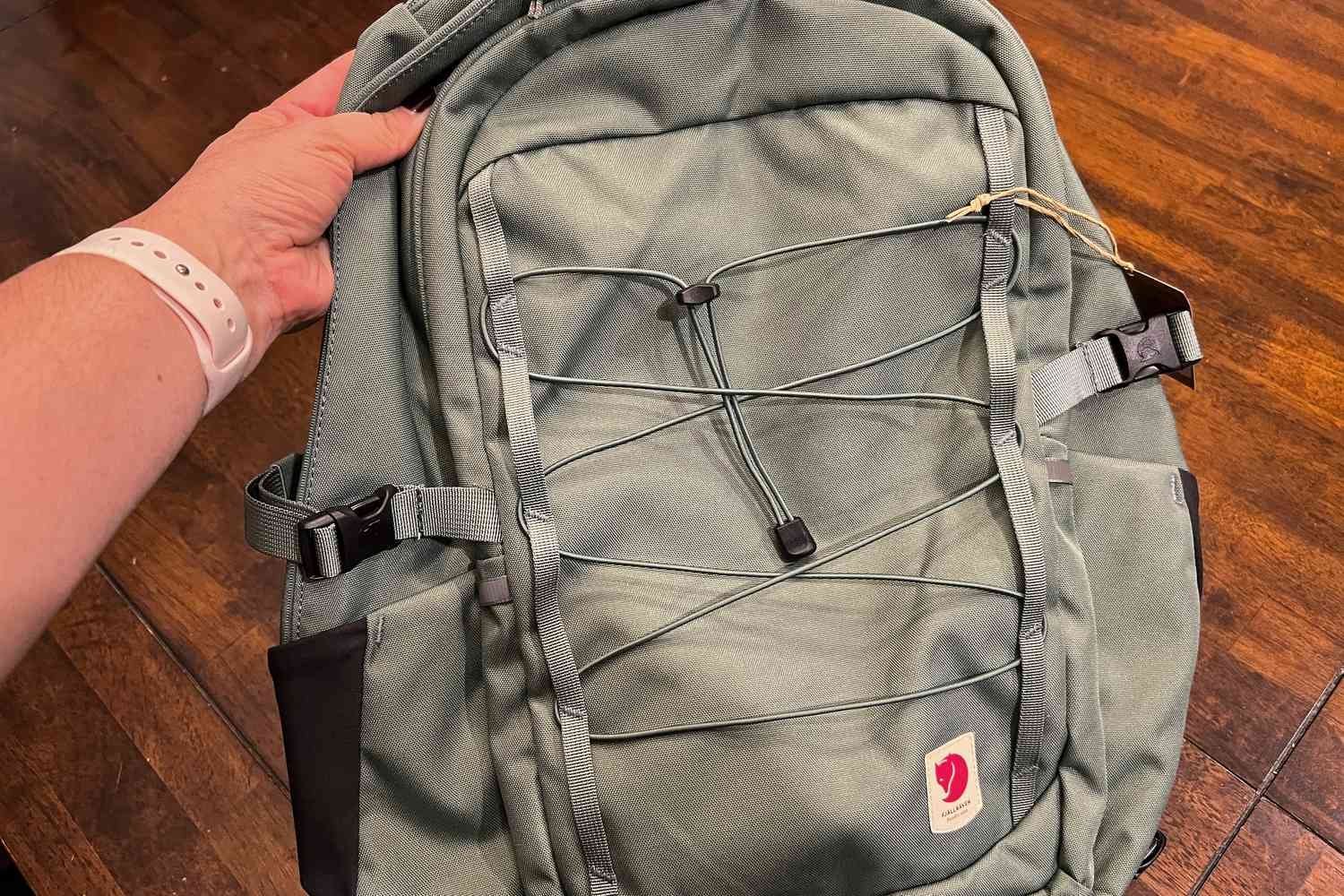
- JanSport provides durable, simple storage with thick fabric that resists daily classroom abrasion.
- The American Academy of Pediatrics recommends that a loaded pack never exceed 10% to 15% of a student’s body weight.
- Choose a 15- to 20-liter capacity for elementary grades; pick 25 to 33 liters for high school or college.
- If you walk to school in wet climates, swap standard canvas bags for water-resistant nylon options from brands like The North Face.
- Zipper durability determines bag life; check that the pack uses genuine YKK coil zippers before buying.
Why seam construction and weight distribution decide bag life
Backpack seams split because heavy books pull fabric edges away from stitching lines under gravity. Standard cheap bags use single-row polyester thread that snaps when students carry dynamic loads over a significant weight daily. High-grade makers use boxed-stitch reinforcements or bar-tack stitches at every strap junction to spread load force across a wider surface area.
Material density also changes wear rates dramatically over time. Polyester measured below 600-denier wears through quickly on concrete floors, while 1000-denier Cordura nylon resists tears when dragged across school buses. American Academy of Pediatrics backpack guidance warns that carrying excessive weight strains growing spines and pulls posture forward. If you need pure water protection, standard cotton canvas fails; nylon with a polyurethane backing keeps paper dry, though this varies by model — check the label.
When the answer is different
Photo: nova-administrator.pl on Google
Different school environments and daily gear loads demand alternatives to a basic canvas school pack.
| Situation | What changes | What to do instead |
|---|---|---|
| Heavy rain commutes | Fabric leaks moisture quickly | Buy water-resistant bags like Patagonia |
| Daily 17-inch laptop carry | Thin pockets lack corner protection | Pick tech-padded packs like Incase |
| High school athletic gear | Dirty shoes ruin clean books | Choose dual-compartment bags like Adidas |
| Severe spinal discomfort | Shoulder loads compress discs | Use rolling bags like J World |
| College bike commuting | Bags shift during fast pedaling | Use sternum-strap packs like Osprey |
| Very small elementary student | Standard frames hang past hips | Buy small bags like L.L.Bean |
How to do it properly
- Weigh the student on a home scale, then multiply that number by 0.15 to find the absolute maximum safe pack limit.
- Place the heaviest textbooks directly against the back panel of the bag to keep the center of gravity near your spine.
- Slide binders and flat notebooks into the main middle compartment to prevent them from bending under heavy weight.
- Put small electronics and loose pens into front organizer pockets so they don’t get crushed under large books.
- Shorten both shoulder straps until the bottom of the backpack rests at the waist.
- Clip the chest sternum strap across the mid-chest line to keep shoulder pads from slipping outward during walking.
- Lift the loaded pack using both legs instead of twisting your lower back to prevent immediate muscle strain.
The mistakes that ruin it
- Carrying the pack by one strap places full load stress on a single shoulder, which leads to chronic upper back spasms.
- Buying an adult-sized 35-liter pack for a seven-year-old child causes the bag to hit their knees, ruining their walking balance.
- Forgetting to empty damp gym clothes on Friday rots interior lining seams and causes permanent mildew smells.
- Overfilling side water bottle sleeves with oversized metal bottles stretches out elastic mesh, dropping bottles onto concrete.
Frequently asked questions
Can a washing machine ruin a school backpack?
Yes, machine agitators rip internal seam tape and strip water-resistant chemical coatings off interior nylon walls. Wash the bag inside a bathtub with mild dish soap, warm water, and a soft nylon brush, then hang it upside down to dry.
Is a rolling backpack better for school students?
Yes, rolling bags remove all spinal compression, making them ideal for kids carrying loads over fifteen percent of their weight. However, they fail in schools with multi-flight staircases or tight hallway lockers that can’t fit rigid metal frame bases.
Why do backpack shoulder straps rip off at the top?
Straps rip because students yank heavy bags off the floor using one strap instead of the top haul loop. This single-point pulling action snaps standard stitching, costing parents a full bag replacement before the school semester even finishes.
How long should a good school backpack last?
A good school backpack should last through many semesters of daily use without zipper failure or seam splits. Cheap bags made without reinforced box-stitching often fail as they age, forcing parents to buy a second bag mid-year.
Does backpack fabric thickness matter for school?
Yes, fabric thickness measured in denier directly controls how fast the bottom panel tears open against concrete playground surfaces. Look for fabrics rated at 600D to 1000D; lower numbers wear through quickly when bags slide across locker room floors.
What happens if a backpack hangs below the waist?
This poor posture strains spinal muscles, causing upper body fatigue within twenty minutes of walking.
Final Thoughts
Choosing the right bag comes down to how you’ll use it every day. Don’t just pick one based on the logo; head to a local shop and try a few on with some weight inside. You’ll quickly feel which straps won’t dig into your shoulders, making your daily commute much easier.