
A personal item backpack can measure up to 18 x 14 x 8 inches, while a carry-on backpack can reach 22 x 14 x 9 inches on most major US carriers. The limit depends on your overhead bin access.
Maximum backpack dimensions for your plane trip
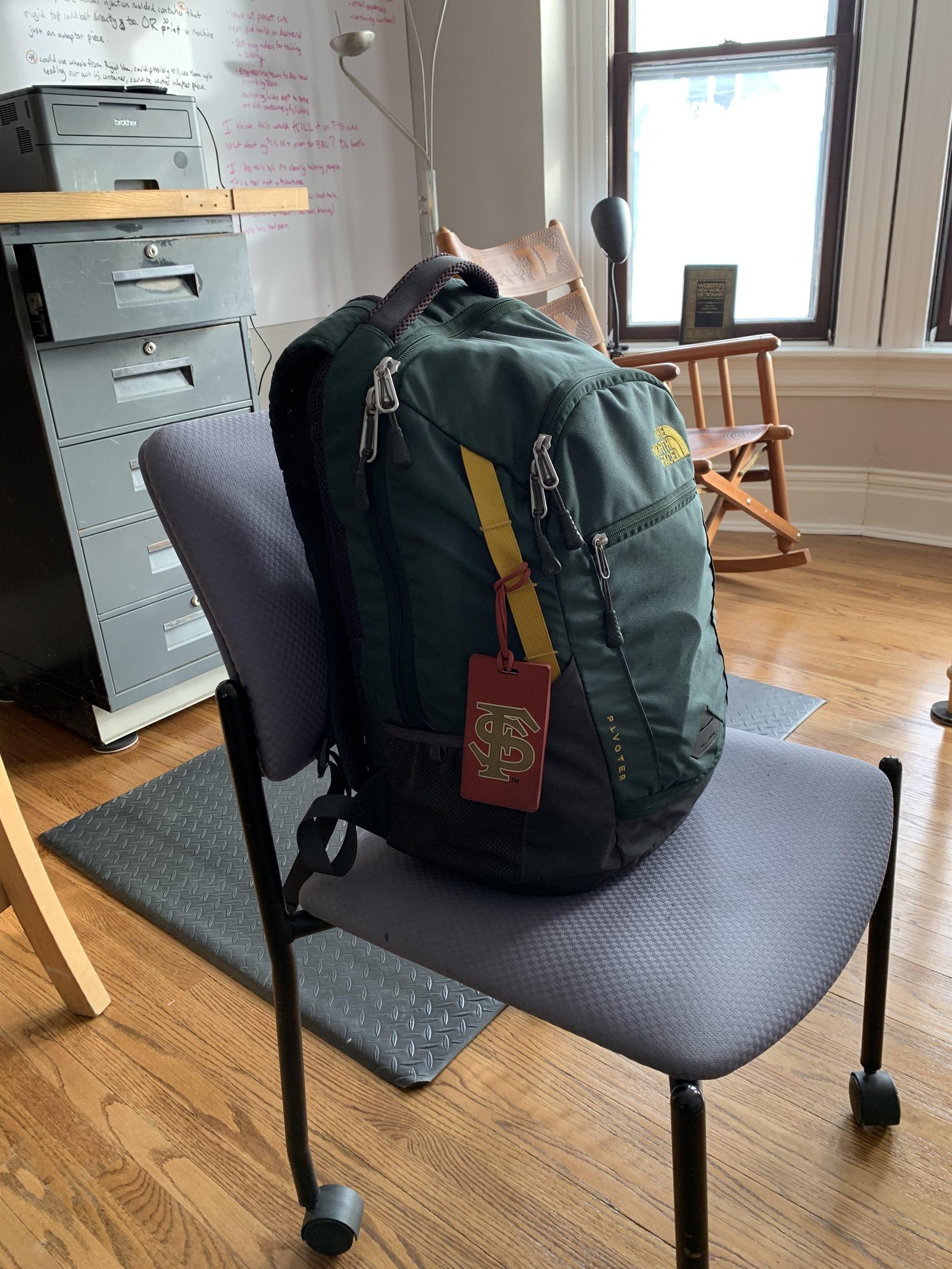
A standard travel bag fits into two distinct categories at the airport gate. Your ticket class sets your luggage allowance, but the airplane cabin frame sets the physical boundaries. Here is the short version to check before you head to the terminal:
- A personal item backpack should stay at or under 18 x 14 x 8 inches (about 25 to 30 liters) to slide beneath an economy seat.
- A main cabin carry-on backpack can measure up to 22 x 14 x 9 inches (around 40 to 45 liters) for the overhead bin on airlines like Delta, United, and American.
- Budget airlines such as Spirit and Frontier enforce smaller personal limits of 18 x 14 x 8 inches and charge gate fees if your bag exceeds the metal sizer.
- European carriers like Ryanair set smaller free personal item limits of 40 x 25 x 20 cm (roughly 15.7 x 9.8 x 7.8 inches), requiring a compact 20-liter pack.
- Measuring your bag means including the external bottle pockets, top grab handles, and packed exterior compartments, not just the empty fabric shell.
- Soft-sided backpacks give you roughly one extra inch of give compared to hard luggage, provided you don’t overstuff them.
Why airlines limit your backpack dimensions
Under-seat storage space is limited by emergency safety rules and structural seat supports. Life vest pouches, seat electronics boxes, and metal seat legs narrow the clear floor space beneath each chair. Federal rules require clear exit paths during takeoff and landing. Attendants must move bags that block footwells during evacuations.
Overhead bins present a volume challenge across the entire cabin. Modern aircraft carry more passengers than overhead bins can accommodate. Space rules keep boarding moving and distribute weight. The Federal Aviation Administration baggage guidelines outline how carriers must safely store all carry-on items before the aircraft doors close. If a bag is too tall, the bin won’t shut, causing delays.
Backpack sizes across different ticket types
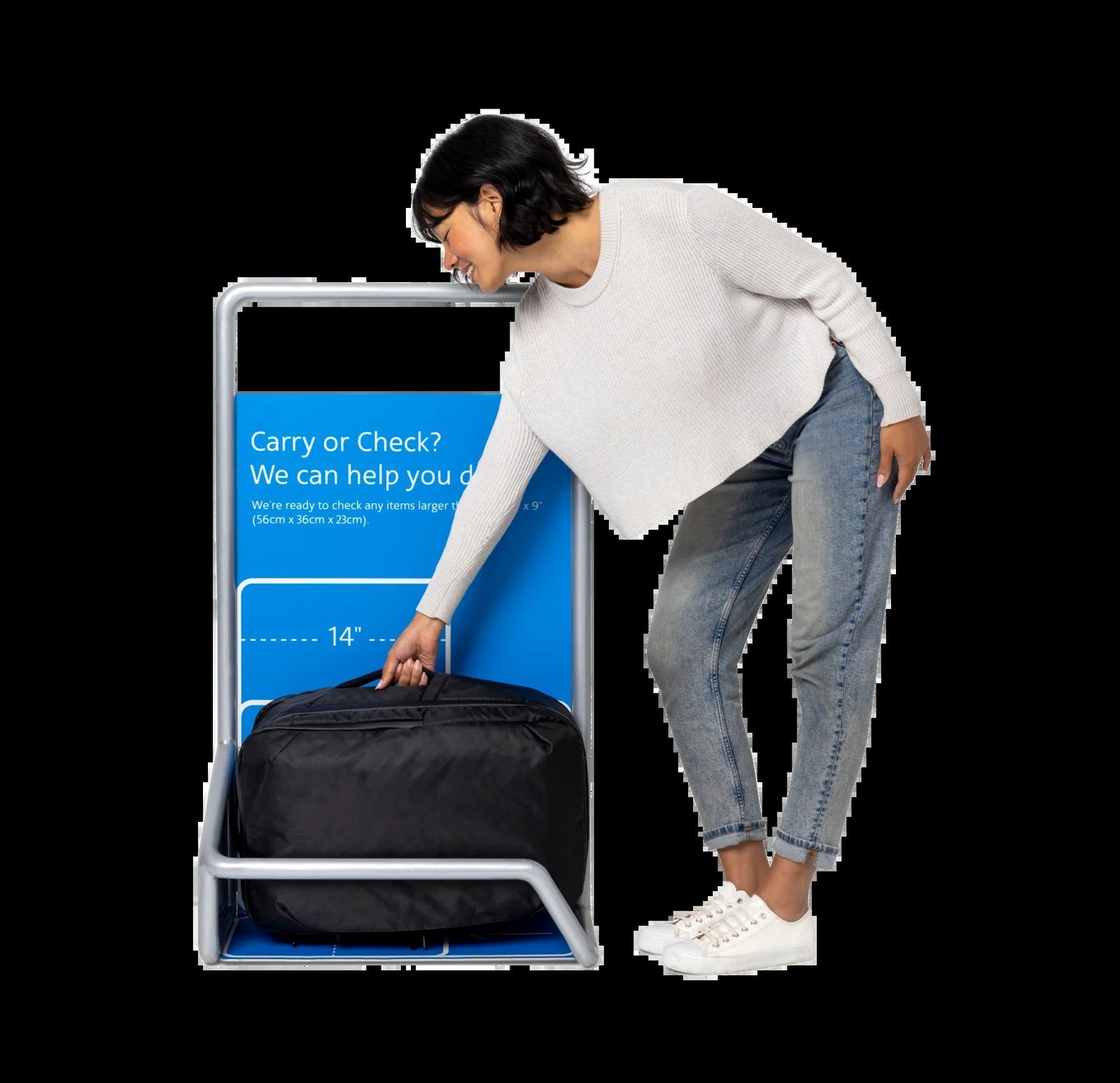
The rules change quickly when you switch from a full-service legacy carrier to a regional flight or ultra-low-cost airline.
| Situation | What changes | What to do instead |
|---|---|---|
| Basic Economy ticket | No overhead bin access included | Use a 25-liter bag under the seat |
| Regional jet flight | Narrow overhead storage compartments | Valet check bag at the boarding jet bridge |
| European discount carrier | Strict personal dimensions (40x25x20cm) | Pack a compressible 20-liter daypack |
| Middle seat assignment | Slightly wider floor space under seat | Place wider backpacks in the center seat |
| Window seat assignment | Curved fuselage narrows the outer floor | Avoid wide frame bags near the wall |
| Aisle seat assignment | Electronics box often sits under floor | Pick a soft pack that compresses easily |
How to measure and pack your backpack
Prep your bag at home to avoid gate fees.
- Pack all your trip items inside the bag, including your electronics, shoes, and toiletries, then zip every pocket completely closed.
- Cinch down every exterior compression strap as hard as you can to pull loose fabric flat against the main compartment.
- Stand the loaded pack upright against a solid wall on a hard floor so it rests on its bottom base.
- Place a ruler flat across the highest point—usually the top carry handle—and measure straight down to the floor.
- Measure across the widest point from left to right, making sure water bottles or bulky side pockets don’t exceed 14 inches.
- Measure from the wall to the outermost front pocket to confirm the depth is 8 inches or less for personal items.
- Push the bag into an open box of matching dimensions to confirm it drops inside without heavy forcing.
Mistakes that ruin backpack travel
- Packing the exterior pockets until they bulge outwards ruins your bag’s depth measurement and stops it from sliding into the metal gate sizers.
- Leaving rigid hiking frames inside your pack costs you flexibility because rigid metal stays won’t compress when an agent tests the dimensions.
- Choosing a tall 50-liter wilderness hiking pack for simple city travel creates problems since long internal frames stick out into the aisle.
- Assuming carry-on rules match between airlines leads to gate fees; what flies for free on one carrier can trigger an extra charge on another.
Frequently asked questions
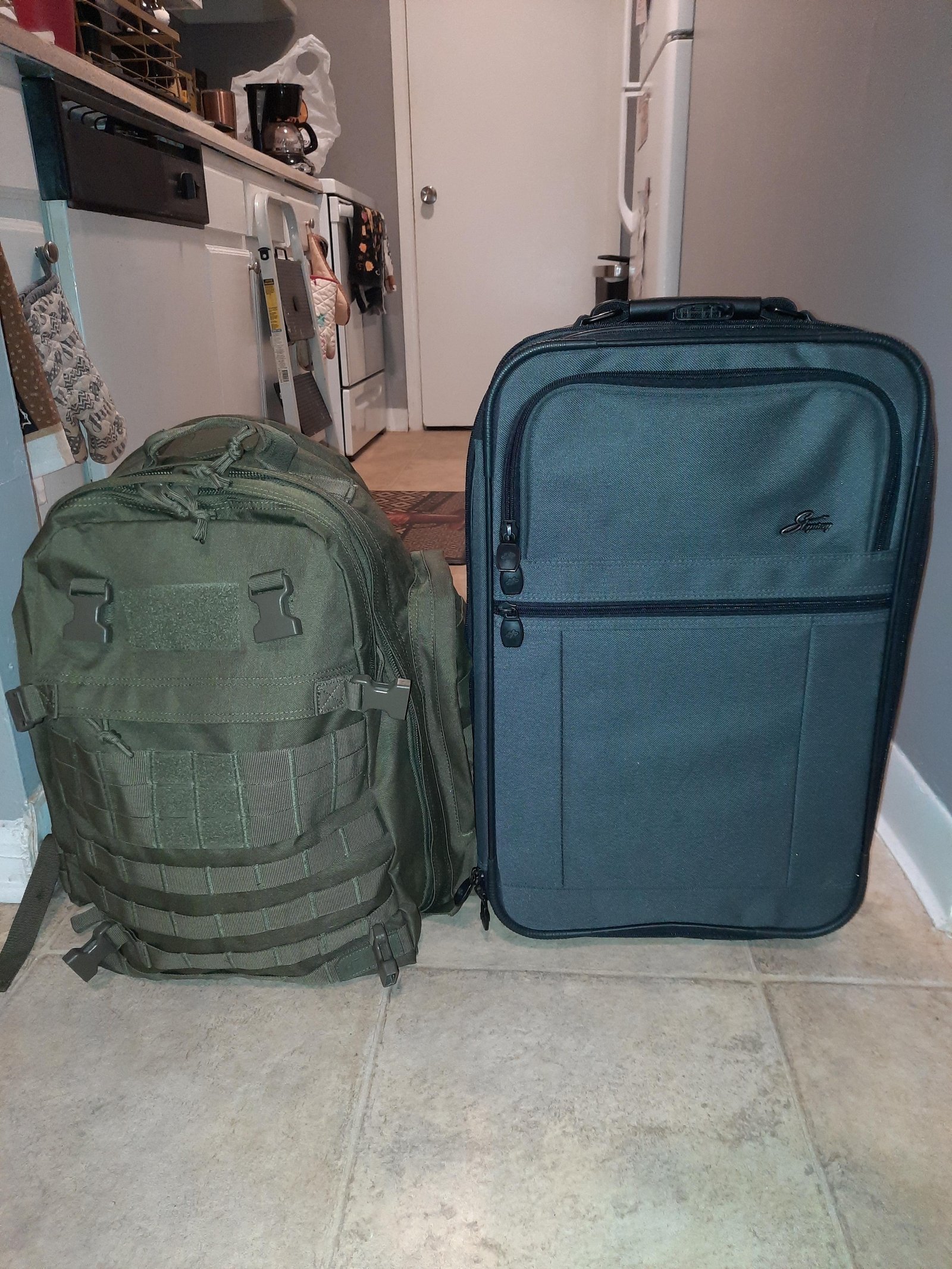
Can a 40L backpack count as a personal item?
No, a 40-liter backpack is almost always too tall to fit under an airline seat. Bags around 40 liters measure roughly 21 to 22 inches long, making them main carry-on bags meant for the overhead bins.
How much can a carry-on backpack weigh?
US domestic airlines typically have no weight limit for carry-on backpacks, as long as you can lift the bag overhead alone. International airlines, however, strictly enforce limits between 15 and 22 pounds (7 to 10 kg).
What happens if my backpack is two inches too big?
A gate agent will ask you to place it in the gate sizer box. If the pack doesn’t slide completely inside the frame, the airline will charge a gate-check fee to put it in the cargo hold.
Is a hiking backpack allowed on a plane?
Yes, a hiking backpack is permitted if its exterior measurements remain under 22 x 14 x 9 inches. Tall packs with rigid external frames usually exceed these limits and must be checked as standard cargo luggage.
Does a laptop bag count separately from a backpack?
Yes, airlines treat a laptop bag and a backpack as two distinct carry-on pieces. If your ticket allows only one personal item, you must pack your laptop sleeve entirely inside your backpack before boarding begins.
Why do aisle seats have less backpack space?
Aisle seats often house metal entertainment equipment boxes and curved support legs directly beneath the cushion. This hardware cuts usable under-seat width down by 2 to 4 inches compared to the middle seat floor space.
Conclusion
If you carry a lightweight, frameless pack, pack it full without bulging; if you carry a rigid frame, measure the hard spine first. You’re trading the rolling wheels of a suitcase for the flexibility to compress your gear into tight spaces. This soft-sided design lets you clear boarding gates smoothly, but this strategy isn’t for travelers hauling heavy, breakable items that need hard-shell protection. Check your airline’s exact dimension limits online before you zip up your gear.