
You can find a reliable backpack at outdoor retailers, sporting goods stores, department stores, or directly from manufacturers’ websites where you can get a backpack that fits your specific activity needs. These locations offer a wide variety of sizes, features, and materials designed for different uses, such as commuting or hiking.
Where can I get a backpack: Shopping for gear
The key to a good choice is matching the pack volume to your intended duration of use. If you’re going on a day trip, look for a 15 to 30-liter capacity; for multi-day treks, you’ll need 50 liters or more. The most common mistake is buying a pack based solely on appearance without checking the torso length. A pack that doesn’t fit your back correctly will cause significant discomfort, regardless of its features.
Selecting the right pack
Photo: www.paco-casal.com on Google
- Measure your torso length from the base of your neck to the top of your hip bone to ensure a proper fit.
- Choose a capacity that matches your activity, such as 20 liters for daily work and 50 liters for overnight camping.
- Check the straps and padding to confirm they’re adjustable enough to distribute weight across your hips rather than your shoulders.
- Test the zippers and buckles for smooth operation, as these are the first points of failure on low-quality gear.
- Verify the water resistance of the fabric, especially if you plan to use it in wet climates. Tip: If the pack feels heavy when empty, it will likely be uncomfortable after a full day of walking.
- Consult the Consumer Product Safety Commission for guidance on safe weight limits, which suggest that a child’s pack should never exceed 20 percent of their body weight to prevent strain.
Time requirements for shopping
The time it takes to secure your gear depends on whether you prefer to browse in person or order online. While in-store shopping allows for immediate testing, online shopping provides a broader range of models and user reviews to compare.
| Situation | Time needed | What changes it | What to watch for |
|---|---|---|---|
| In-store fitting | 30–60 minutes | Inventory size | Availability of staff |
| Online research | 1–3 hours | Number of brands | Shipping timelines |
| Custom adjustment | 15 minutes | Strap complexity | Proper load balance |
If the process takes longer than expected, focus on narrowing your search by specific features rather than browsing every available option.
Confirming a perfect fit
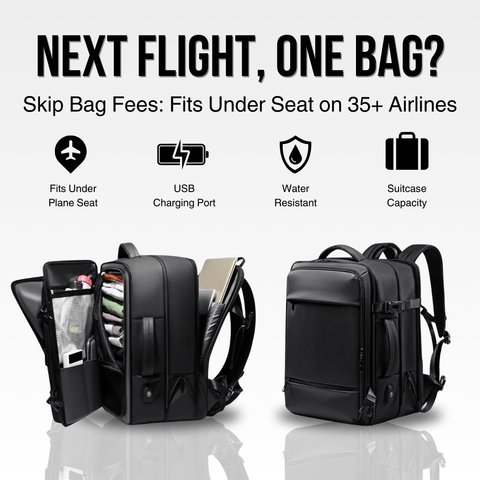
The pack is ready for use when the weight rests primarily on your hips instead of your shoulders. Tighten the hip belt first, then snug the shoulder straps until the pack sits flush against your back without pulling backward. If you can slide a finger between the shoulder strap and your collarbone, the pack is likely too loose. The final test is a walk around the room with a light load; if you feel uneven pressure or pinching, adjust the torso length settings on the back panel.
Common purchasing errors
- Ignoring torso size: Buying a “one size fits all” pack often leads to back pain because the load isn’t distributed correctly on your frame. Always check the manufacturer’s size chart to match your measurements.
- Overestimating your needs: Choosing a massive pack for short trips adds unnecessary weight and bulk that makes movement difficult. Start with a smaller capacity if you’re unsure of your requirements.
- Overlooking material quality: Thin, unreinforced fabrics tear easily under heavy loads or in rough terrain. Look for high-denier nylon or polyester for long-term durability.
Can I use a laptop bag as a hiking backpack?
No, a standard laptop bag lacks the suspension system and hip belts needed to support heavy loads during long hikes. These bags are designed for light, stationary loads and will likely cause shoulder strain or back discomfort when used for outdoor activities over long distances.
How do I know if a backpack is waterproof?
A backpack is only truly waterproof if it has taped seams and a roll-top closure, whereas “water-resistant” fabric only sheds light rain for a short period. Check the product description for an IPX rating or mention of seam sealing if you need to protect gear in heavy rain.
How long should a good backpack last?
A high-quality backpack should last for many years with regular, moderate use if you clean it and store it properly. This varies by model and the type of material used; check the label for specific care instructions to extend the lifespan of your gear and prevent fabric degradation.
Is it safe to buy a used backpack?
Yes, it’s safe to buy used gear, but inspect the zippers, seams, and buckles for signs of heavy wear before purchasing. A used pack may have hidden structural damage that isn’t visible in photos, so prioritize sellers who offer detailed images of high-stress areas like the shoulder straps.
What happens if I overload my backpack?
Overloading a backpack causes the seams to stress and the suspension system to collapse, which can lead to permanent damage and poor weight distribution. Always stay within the weight capacity recommended by the manufacturer to ensure the structural integrity of the frame and the comfort of your back.
How often should I clean my backpack?
You should clean your backpack regularly, or immediately after a trip if it’s covered in mud or salt. Use only mild soap and water with a soft brush, as harsh chemicals can strip the protective coatings that make the fabric water-resistant.
Backpack, in short
Before you head out to shop, take a moment to measure your torso or list the items you carry every day. Having these details ready will make your search much easier. You’ll find the perfect bag in no time, and you’ll be ready for your next adventure with comfort and ease.
Related guides