
Yes, you can take a backpack as hand luggage provided it fits within the airline’s size and weight limits. Most major carriers allow one personal item and one carry-on bag, so you must check if your specific backpack counts as either one or both.
Taking your backpack as hand luggage
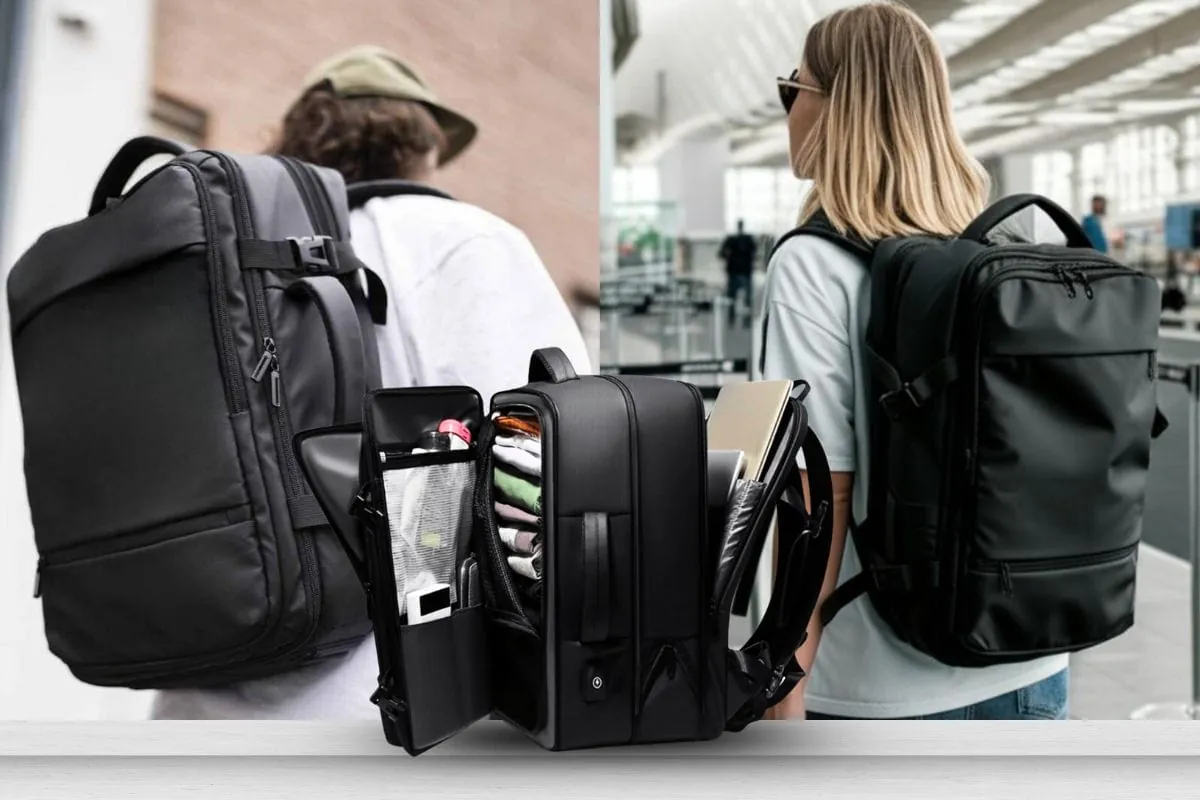
Whether a bag is allowed depends on its dimensions and the ticket type you purchased. Always check your booking confirmation or the carrier’s official website before heading to the airport to avoid extra fees at the gate.
| Your situation | Answer | Why |
|---|---|---|
| Fits under the seat | Yes | Considered a personal item |
| Fits in overhead bin | Yes | Considered carry-on luggage |
| Exceeds size limits | No | Must be checked in |
| Weighs over 22 lbs | No | Exceeds standard weight limit |
| Budget airline ticket | Varies | Often allows only one bag |
| Full-service airline | Yes | Usually allows two bags |
What decides your baggage allowance
The primary factor is the airline’s specific policy regarding carry-on dimensions, which typically range from 20 to 22 inches in height. These limits exist to ensure that all passengers have enough space in the overhead compartments and under the seat in front of them.
If you’re flying with a budget carrier, they often have stricter rules that charge extra for overhead bin space. The weight of your bag also matters, as ground crew must be able to handle it safely if it needs to be moved. According to the Transportation Security Administration, you must ensure your items pass through X-ray screening without issue.
If your backpack is too large, the gate agent will force you to check it into the cargo hold, which often costs more than paying for a carry-on in advance. If your bag is soft-sided, you can compress it to fit; if it’s hard-shelled or full, you must measure it against the airline’s sizer frame.
If you go ahead with your backpack
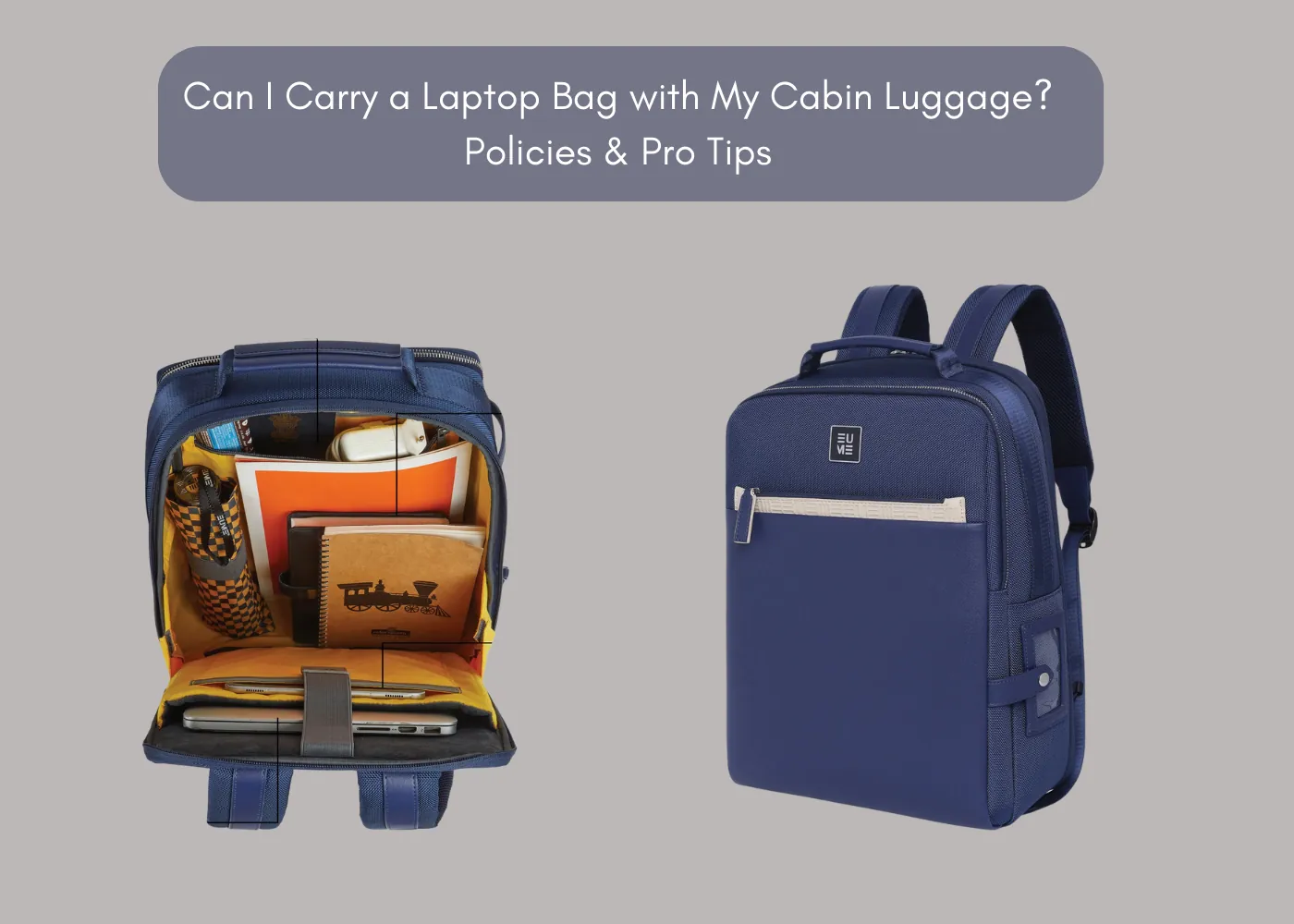
- Measure your bag carefully. Use a tape measure to check the height, width, and depth of your backpack while it’s full. Ensure the total dimensions don’t exceed the airline’s limit, which is typically 22 x 14 x 9 inches.
- Pack your heavy items first. Place the heaviest objects at the bottom of the bag to keep the center of gravity low. This makes the bag easier to carry and helps it sit upright under the seat.
- Organize liquids in a clear bag. Keep all liquids in containers of 3.4 ounces or less inside a single quart-sized bag. Place this bag at the top of your backpack for quick access at security.
- Remove electronics for screening. Have your laptop or tablet ready to pull out once you reach the security checkpoint. Storing these in an outer pocket saves time and reduces the risk of damaging other gear.
- Secure all loose straps. Tighten all compression straps and tuck in loose ends. This prevents the bag from snagging on equipment or conveyor belts during transit.
The common mistake travelers make
The most frequent error is assuming a backpack is automatically a “personal item” regardless of its size. If you bring a large hiking backpack that clearly belongs in the overhead bin, the airline will count it as your carry-on allowance.
This costs you money if you already have a separate carry-on suitcase, as you’ll then have two items that exceed your ticket’s limit. To avoid this, always verify whether your ticket includes one or two bags before you pack, and measure your backpack to confirm it matches the airline’s definition of a personal item.
When to stop and get help
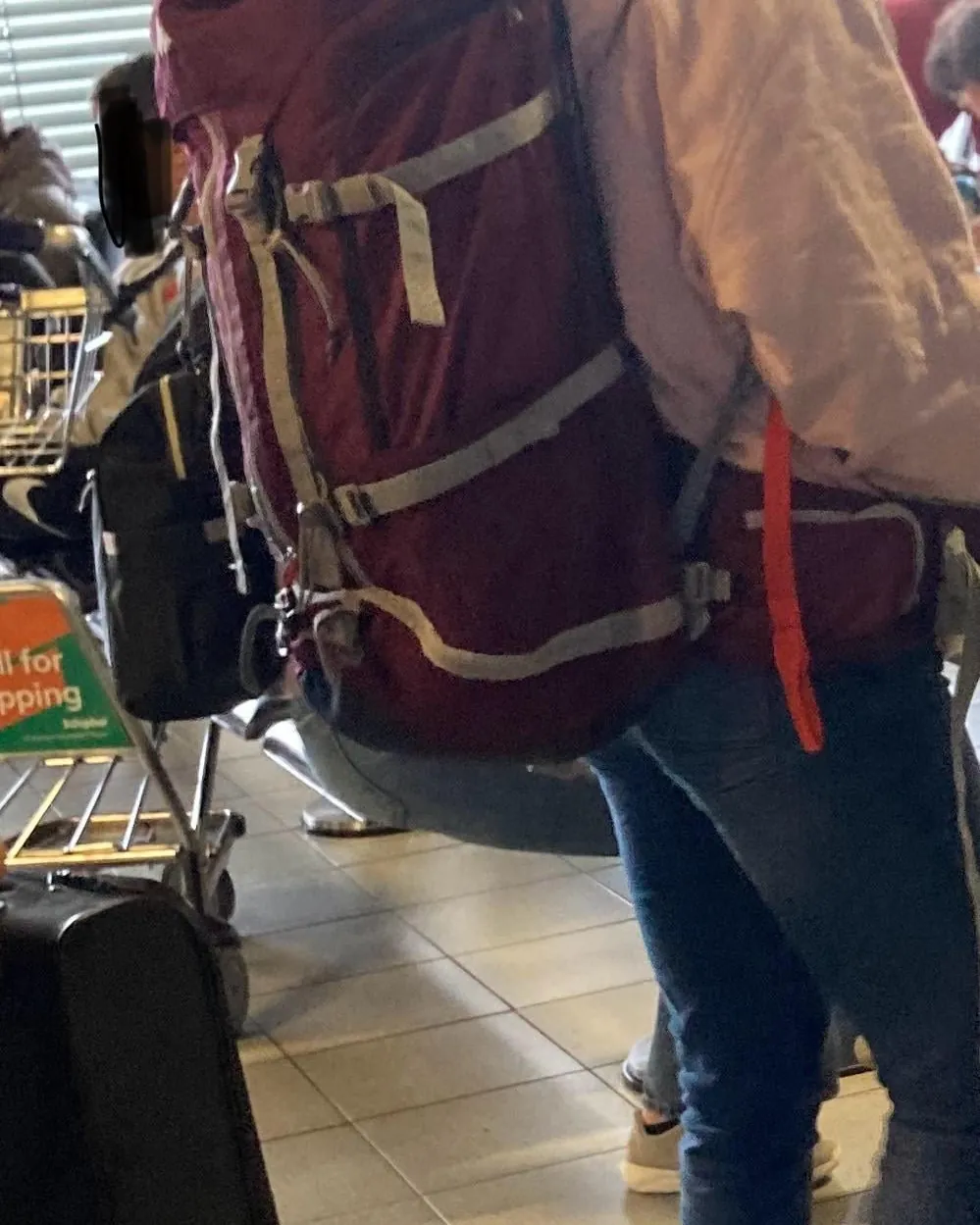
- Bag is too heavy: If you can’t lift the bag above your head without help, it’s too heavy for carry-on.
- Prohibited items: If you have tools, large liquids, or sharp objects, these must go in checked luggage.
- Damaged zippers: If the main compartment doesn’t close securely, the bag could spill its contents during flight.
- Airline rejection: If the gate agent flags your bag as oversized, don’t argue; pay the fee or check the bag to avoid missing your flight.
Frequently asked questions
Can I take a backpack and a suitcase?
Yes, you can take both if your ticket includes a personal item and a carry-on. The backpack usually serves as your personal item, provided it fits completely under the seat in front of you.
How long can a backpack be to fit under the seat?
The backpack should be no longer than 18 inches to fit under most airline seats. Every aircraft model varies, so check your airline’s website for the specific dimensions allowed for personal items.
Is it safe to put a laptop in a backpack?
Yes, it’s safe if you use a padded sleeve inside your bag. Place the laptop against the back panel of the backpack to prevent pressure from other items and keep it protected during travel.
What happens if my backpack is too big?
You’ll be required to check the bag into the cargo hold at the gate. This often incurs a fee that’s higher than the price of a standard checked bag purchased online.
Does it matter if my backpack has metal parts?
No, it doesn’t matter for security, as all bags pass through an X-ray machine. However, avoid carrying heavy metal tools that could be classified as restricted items by the airline.
How much weight can a carry-on backpack have?
The weight limit is usually 22 pounds for a carry-on, but this varies by airline. Check your specific carrier’s website, as some budget airlines have lower limits for all carry-on items.
Conclusion
Start by checking your airline’s specific website for their current dimensions for carry-on and personal items. You’ll know you’re ready when your packed bag fits into the airline’s metal sizer frame without force. Stop and seek assistance if your bag is clearly oversized or contains restricted items.