
Yes, you can take a backpack and a carry on suitcase on almost every commercial flight. This is usually allowed as long as the backpack fits under the seat in front of you and the suitcase goes in the overhead bin. You should check your airline’s specific size limits before leaving.
Can you take a backpack and suitcase
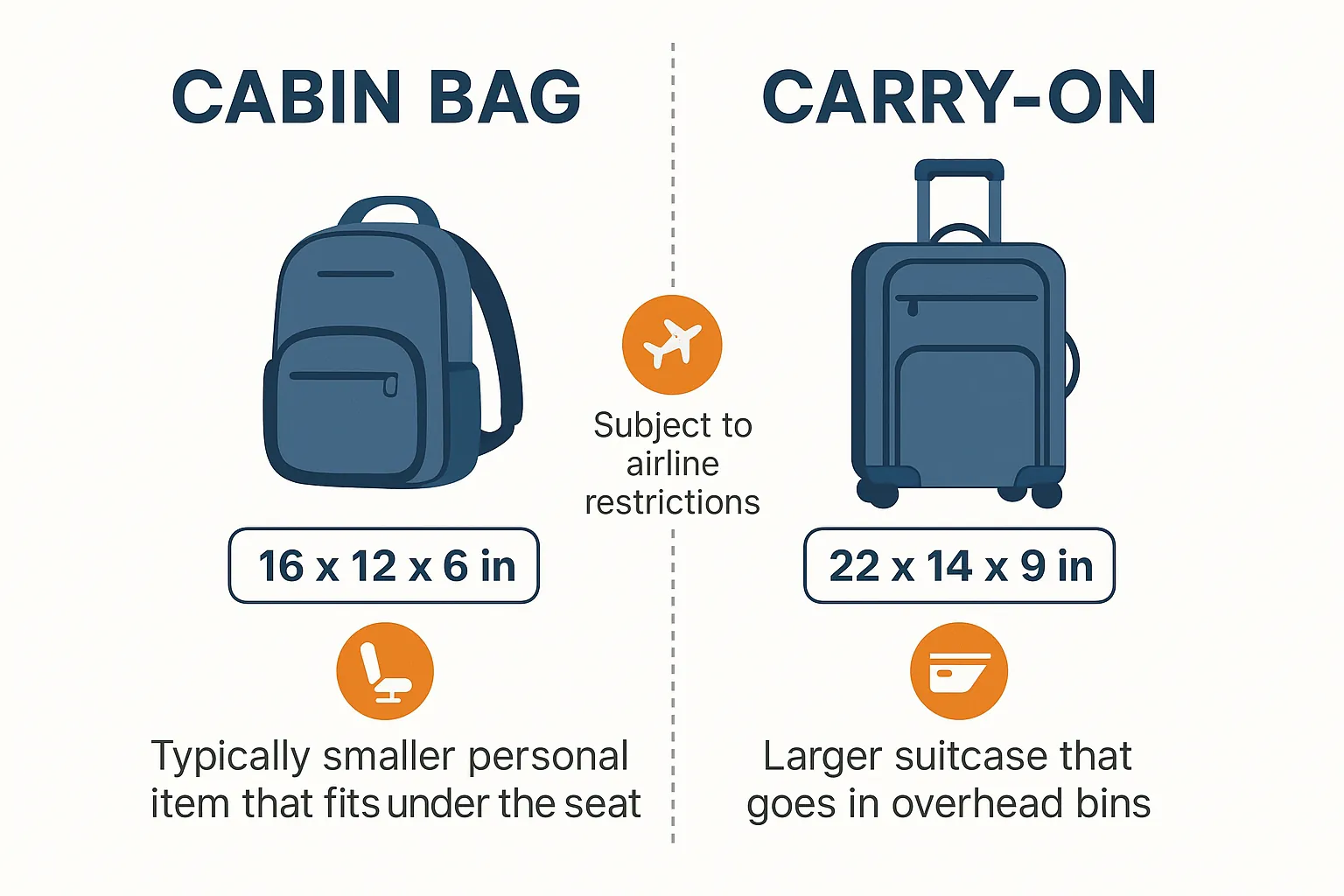
Most airlines let you bring one carry-on bag and one personal item. The personal item is your backpack, while the carry-on is your suitcase.
| Your situation | Answer | Why |
|---|---|---|
| Standard economy class | Yes | Most airlines allow two items |
| Basic economy ticket | Check rules | Some restrict carry-on bags |
| Regional small jets | Check size | Overhead bins are very small |
| International flights | Yes | Standard two-bag allowance applies |
| Budget carrier flight | Pay extra | Often charge for overhead bins |
Always check the Transportation Security Administration carry-on guidelines to ensure your items don’t contain restricted materials. Different airlines have different rules for what counts as a personal item, so check your booking confirmation email.
What decides your bag allowance
The main factor is your ticket type and the airline’s specific policy. While major carriers usually include both a personal item and a carry-on for standard economy, budget airlines often restrict passengers to one small item stored under the seat unless they pay a fee. Furthermore, the physical size of the plane matters. On smaller regional jets, even a standard carry-on suitcase might be too large for the overhead bin and must be checked at the gate.
If your ticket is a “Basic Economy” fare, then you might only get one personal item; if you have a “Standard Economy” or higher fare, then you generally get both a carry-on suitcase and a personal item.
How to pack for two bags
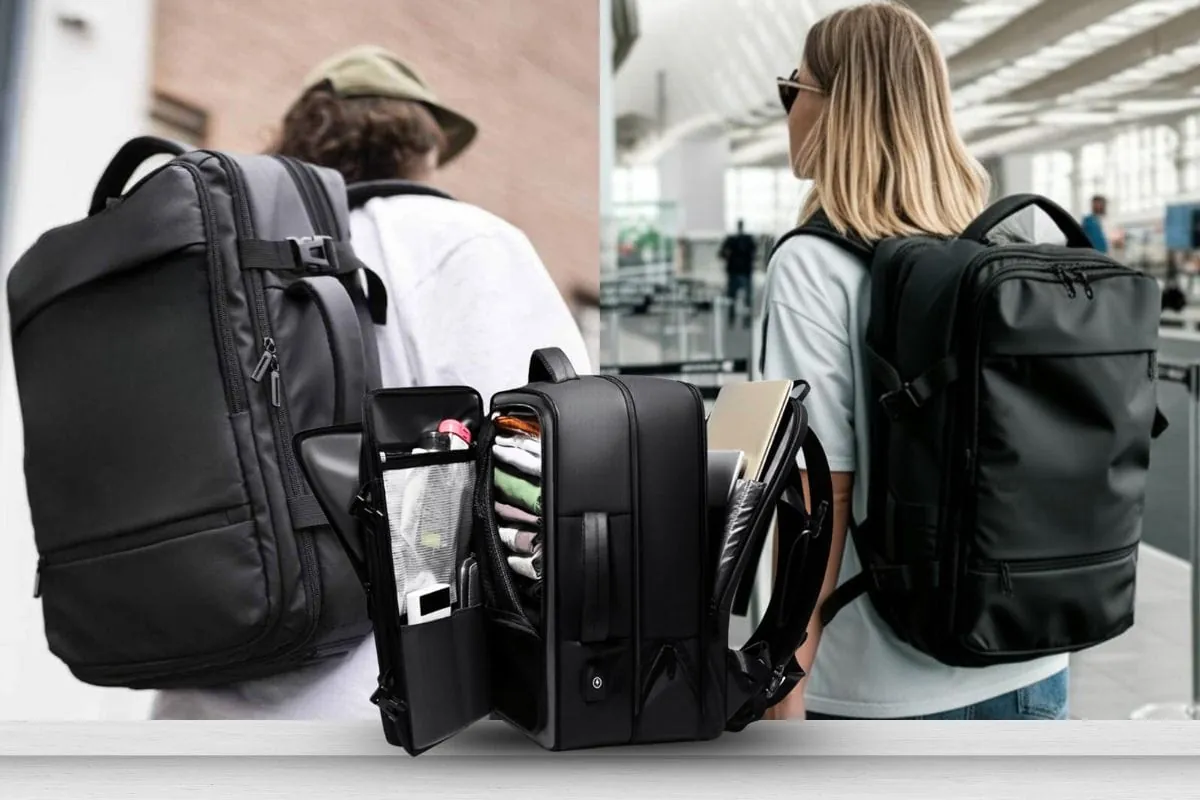
- Measure your backpack to ensure it fits under the seat in front of you. Most airlines define a personal item by its ability to slide fully under the seat without blocking the floor space.
- Pack heavy items in the carry-on suitcase rather than the backpack. This keeps your shoulders comfortable while walking through the airport and moving through security lines.
- Keep essentials accessible in your backpack. Place your passport, phone, charger, and medications in the backpack so you can reach them while seated.
- Organize your liquids in a clear, quart-sized bag inside your carry-on. You must remove this bag during security screening, so place it near the top of your suitcase.
- Verify the weight of your suitcase. Even if the size is correct, some airlines have a weight limit, often around 22 pounds or 10 kilograms, for cabin luggage.
The common packing mistake
The most frequent error is overstuffing the backpack so it no longer fits under the seat. When your backpack is too bulky, flight attendants may force you to check it at the gate. This costs you time at baggage claim and risks damage to items inside.
You can avoid this by testing your packed backpack in a standard luggage sizer at the airport or by measuring its depth before you leave home to ensure it stays within the airline’s stated dimensions.
When to stop and get help
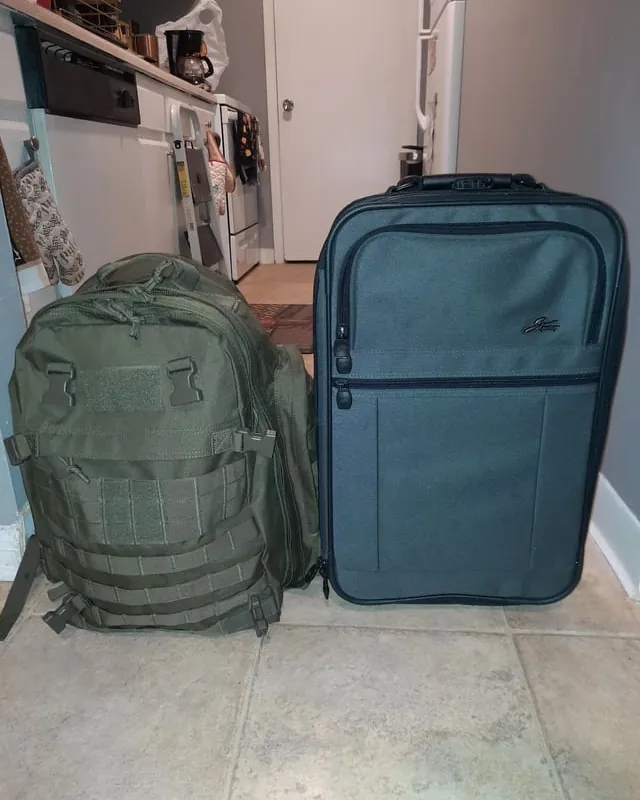
- Weight limits exceeded: If your bag exceeds the airline’s weight limit, you must check it to avoid boarding issues.
- Restricted items: If you have items flagged by security, don’t argue; leave the checkpoint and speak with a supervisor.
- Gate check required: If the gate agent says the plane is full, let them handle the bag to avoid conflict.
- Medical needs: If you carry specialized medical equipment, contact the airline’s disability desk before your flight for specific rules.
Frequently asked questions
Can I bring a laptop bag and a backpack?
No, most airlines count both as personal items. You should consolidate your electronics into one backpack to avoid paying extra fees at the gate or being forced to check one of your bags.
How long does it take to clear security with two bags?
It usually takes 15 to 30 minutes, but this depends on the airport’s current traffic. Having two bags means you have more items to place in bins, which can slow down your progress.
Is it safe to put my laptop in the overhead bin?
No, it’s safer to keep your laptop in your backpack under the seat. Overhead bins can shift during flight, and bags may be crushed by heavier luggage placed on top of yours.
What happens if my carry-on is too heavy?
If your carry-on is too heavy, the airline will force you to check it into the cargo hold. This often requires paying a checked bag fee at the gate during boarding.
Does it matter if my backpack is a hiking bag?
Yes, large hiking backpacks often exceed personal item size limits. If your backpack doesn’t fit under the seat, you must check it or use it as your primary carry-on suitcase instead.
Can I bring a duty-free bag as well?
Yes, many airlines allow a duty-free bag in addition to your two standard items. Check your specific airline policy online, as some carriers count this as your personal item.
Conclusion
Start by measuring your backpack and suitcase against the dimensions listed on your airline’s website. If both bags fit within these specific limits, you can proceed to the gate. If either bag is oversized, you must check the larger one to avoid delays or extra fees.