
Yes, you can take a backpack as carry on provided it fits within the airline’s size and weight limits. Most major carriers allow one personal item and one carry-on bag, so your pack must fit under the seat or in the overhead bin. Always check your specific airline’s baggage policy before you head to the airport.
Rules for taking your backpack as carry on
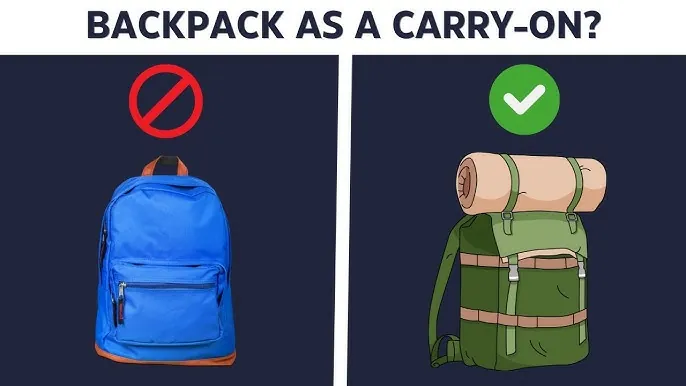
Every airline sets its own rules for what counts as a carry-on bag. While a standard school-sized backpack usually fits under the seat, larger hiking packs may be too big for the overhead bin. You must check the Transportation Security Administration carry-on guidelines to ensure your bag doesn’t contain restricted items.
| Situation | Answer | Why |
|---|---|---|
| Fits under seat | Yes | It counts as a personal item |
| Fits in overhead | Yes | It counts as a carry-on bag |
| Exceeds size limits | No | Must be checked as luggage |
| Contains liquids | Yes | Must be under 3.4 ounces |
| Contains sharp tools | No | Prohibited in cabin baggage |
| Contains batteries | Yes | Lithium batteries must be carried |
Factors that decide your bag’s status
The primary factor determining if your backpack is accepted is its physical dimensions when fully packed. Airlines measure these by length, width, and depth, including any wheels or handles if your bag has them. If your backpack is stuffed to its maximum capacity, it may bulge beyond the allowed dimensions, causing it to fail a gate check.
Weight is the second major factor, especially for international flights where limits are strictly enforced. While US domestic airlines often don’t weigh carry-ons, budget carriers frequently weigh bags at the gate. A bag that’s too heavy might be forced into the checked luggage category, which often carries a fee. If your backpack is under 20 pounds, it’s rarely questioned; if it exceeds 30 pounds, you should prepare to check it.
How to pack for carry-on success
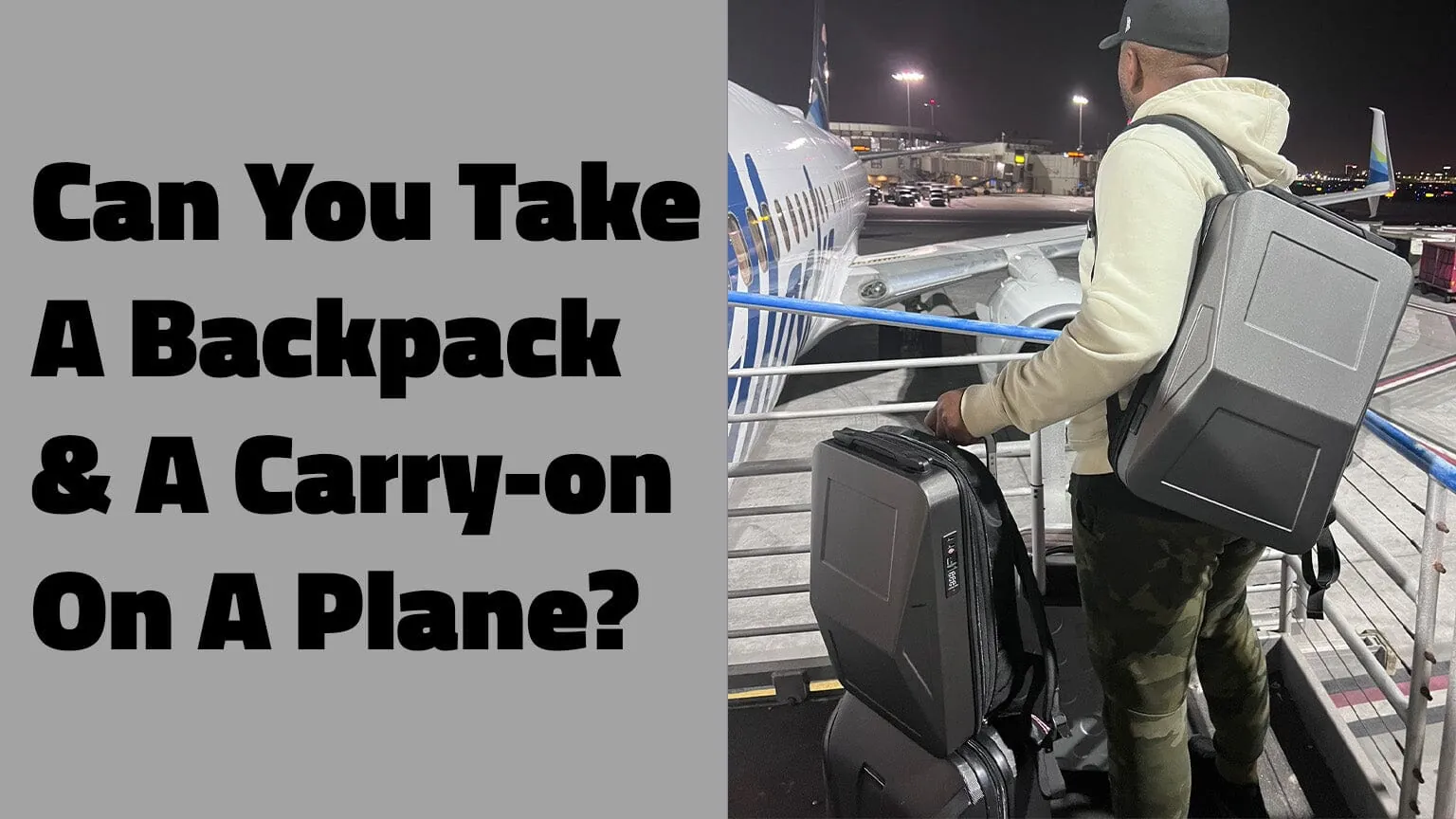
If you decide to use your backpack as your main carry-on, follow these steps to avoid issues at the gate:
- Measure your bag empty to ensure it falls within the standard 22 x 14 x 9 inch limit used by many US airlines.
- Pack heavy items at the bottom to keep the center of gravity low, which makes the bag easier to handle.
- Use compression cubes to reduce the total volume, ensuring the bag doesn’t bulge past the sizer frame.
- Place your laptop and liquids in an easily accessible pocket to speed up the security screening process.
- Verify the final weight by using a handheld luggage scale to ensure you stay under the airline’s specific limit.
The mistake that costs travelers money
The most common mistake is overstuffing a backpack so it no longer fits inside the airline’s metal sizer frame. When a gate agent asks you to test your bag, a bulky pack that doesn’t slide in easily will be rejected regardless of its empty dimensions.
This mistake often forces you to pay a last-minute checked bag fee, which can be significantly higher than a pre-booked rate. Always measure your bag while it’s fully packed to ensure it maintains the correct shape and size for the overhead bin.
When to stop and get help
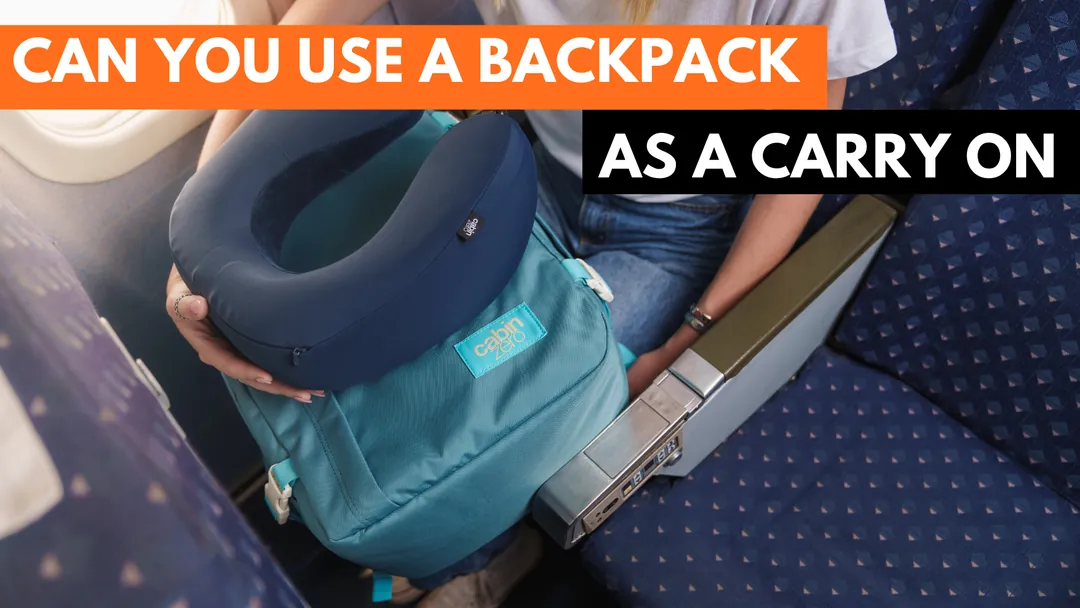
Some situations require you to stop trying to force your gear through carry-on security and speak with an airline representative instead.
- If your backpack contains specialized equipment like large power tools or heavy metal gear, it may be flagged for inspection.
- If you’re carrying medical devices, you must notify the agent at the check-in counter to avoid any confusion.
- If the bag is clearly oversized, attempting to force it past the gate agent will likely lead to a denied boarding or a forced check-in.
Professional airline staff handle baggage disputes; never argue with security personnel about prohibited items.
Frequently asked questions
Can you take a backpack as carry on for free?
Yes, most airlines allow one personal item like a backpack for free, provided it fits under the seat in front of you. Check your specific ticket class, as some budget airlines charge for overhead bin access.
How big can my backpack be?
The standard limit for a carry-on is 22 x 14 x 9 inches, including handles and wheels. Always check your airline’s website, as these dimensions vary by carrier and aircraft size for your specific flight.
Is it safe to put a laptop in my backpack?
Yes, it’s safe as long as you keep the laptop in your carry-on bag during the flight. Use a padded sleeve inside your backpack to protect the screen from pressure when stowing the bag.
What happens if my bag is too big?
If your bag is too big, the gate agent will require you to check it as luggage. You may be charged a fee at the gate, which is often higher than paying for a checked bag online.
Can I bring a hiking backpack?
Yes, you can bring a hiking backpack if it meets the size requirements for your airline. If the frame is too long or the bag is too bulky, you’ll need to check it in.
Does it matter if my bag is heavy?
Yes, it matters because many airlines have a maximum weight limit for carry-on bags, typically between 15 and 30 pounds. If you exceed this weight, the airline may force you to check the bag.
Conclusion
Start by measuring your backpack while it’s fully packed to ensure it fits the airline’s sizer dimensions. You should expect a smooth boarding process if your bag fits easily under the seat. If the bag doesn’t fit in the sizer, you must speak with an agent.