
Yes, you can take a backpacking backpack as a carry on, provided it meets the airline’s specific size and weight limits. If your pack is too large to fit in the overhead bin or exceeds the weight allowance, you must check it at the gate. You should measure your empty bag before you head to the airport.
Checking if your backpacking backpack works as a carry on
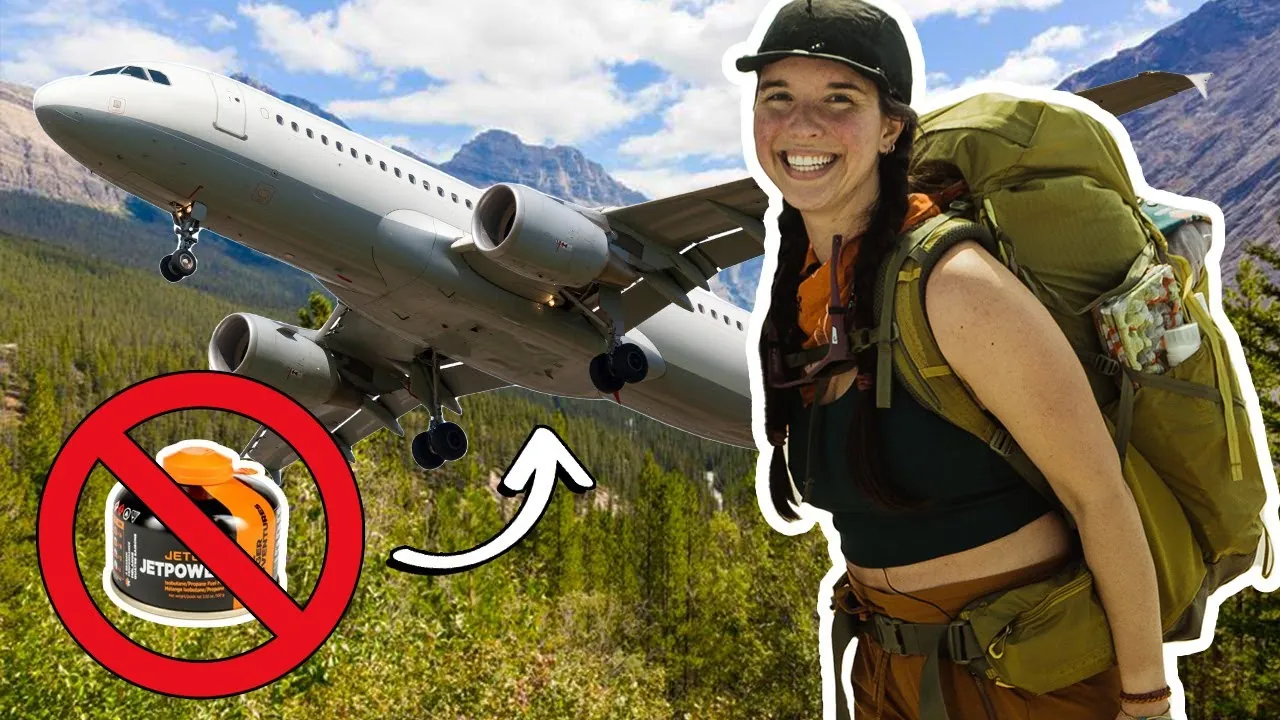
Most airlines allow a standard carry-on bag that measures 22 x 14 x 9 inches, including wheels and handles. If your backpack is larger than these dimensions, it will likely be rejected at the boarding gate.
| Situation | Answer | Why |
|---|---|---|
| Empty pack under 22 inches | Yes | Fits in standard overhead bins |
| Pack with rigid frame | Usually no | Frame prevents compression to fit |
| Pack exceeds weight limit | No | Exceeds airline carry-on weight policy |
| Pack is partially empty | Yes | Can compress to meet size |
| Pack has external gear | No | Items snag on bin edges |
| Pack is a daypack size | Yes | Fits under the seat |
Factors that decide your pack’s fit
The main limit is the physical size of the overhead bin on the specific aircraft you’re flying. While many major carriers use the 22 x 14 x 9 inch standard, regional jets often have smaller bins that can’t accommodate larger hiking packs. The frame of your backpack is the biggest factor here; a pack with an internal frame that is 24 inches long won’t fit if the bin depth is only 22 inches.
Weight also matters for stowage, as bags must fit within the overhead bin’s weight capacity and be manageable for passengers to lift. According to the Federal Aviation Administration, airlines set their own weight limits to manage cabin safety and stowage space. If your pack is too heavy, you’ll be forced to check it. If the pack is flexible, empty it to gain space; if the frame is rigid, you must check it.
Steps for packing for the cabin
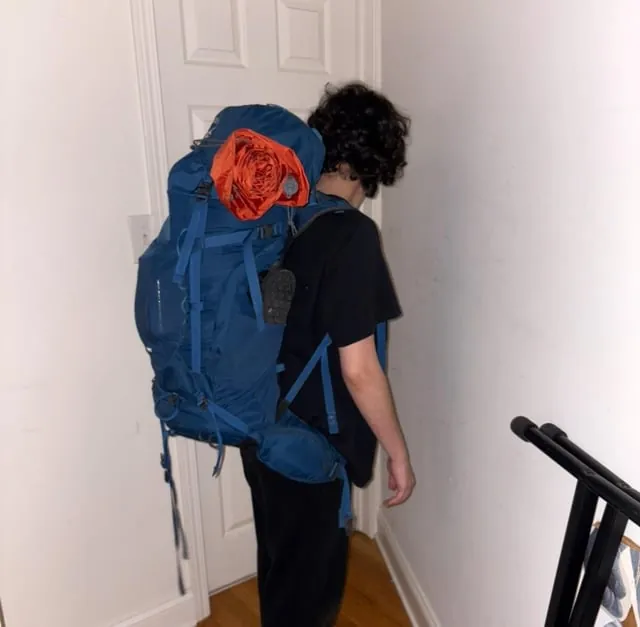
- Remove all external gear: Take off sleeping pads, trekking poles, and dangling items. These items make the bag too bulky and can damage the bin or your gear.
- Compress the main compartment: Use the side compression straps to pull the pack as tight as possible. A flatter pack is much easier to slide into a tight bin space.
- Check the frame length: Measure from the bottom of the pack to the highest point of the frame. If this exceeds 22 inches, it’s a risk for most carry-on bins.
- Weigh your packed bag: Use a luggage scale to ensure you’re under the airline’s limit, which is typically 22 pounds for many international carriers.
- Wear your heaviest items: If you’re slightly over the weight limit, wear your hiking boots and heavy jacket onto the plane. This saves weight in the bag without breaking any rules.
The mistake that costs travelers money
Many people fail to remove their trekking poles before arriving at security. These items are often considered weapons or prohibited gear in carry-on luggage, forcing travelers to either abandon them at the checkpoint or pay a fee to check the bag late.
This can be an inexpensive alternative to losing your gear depending on the airline’s gate-check policy. Always check your bag’s side pockets for small tools or sharp items that could be flagged by security scanners before you reach the front of the line.
When to stop and check your bag
Photo: www.reddit.com on Google
- Rigid frame length: If the frame is over 24 inches, it won’t fit in most overhead bins.
- Prohibited items: If you’re carrying fuel canisters or bear spray, these are never allowed in the cabin.
- Full gear weight: If the pack exceeds 25 pounds, it’s safer to check it to avoid injury or bin damage.
- Gate agent refusal: If the agent tells you the flight is full, you must check it immediately to avoid delays.
Frequently asked questions
Can I bring hiking boots in my carry on?
Yes, you can bring hiking boots in your carry on, but wearing them on the plane is usually better. They take up significant space and weight that could be used for other gear.
How long can my backpack be for a carry on?
The length limit is usually 22 inches for most major airlines. You must check the specific airline website for your flight, as regional planes may have smaller bin dimensions than larger aircraft.
Is it safe to put a backpack with a frame in the overhead bin?
Yes, it’s safe if the frame is fully contained within the backpack and doesn’t stick out. If the frame creates sharp points or prevents the bin from closing, it must be checked.
What happens if my bag is too big at the gate?
You’ll be required to check the bag at the gate, which often carries a higher fee than checking it at the ticket counter. Always measure your bag before leaving home.
Does it matter if my backpack is soft-sided?
Yes, it matters because soft-sided bags are easier to squeeze into tight overhead bins. If your pack has no rigid frame, you can often fit a slightly taller bag by compressing the top.
How much does it cost to check a carry on bag?
The cost varies by airline and ticket class, often requiring a modest fee per bag. Check your specific airline’s baggage fee page to see the exact price for your route.
Conclusion
Start by measuring your backpack from the bottom to the highest point of the frame while it’s empty. If the bag fits the 22-inch length limit, you can safely bring it to the gate. If the frame is visibly too long, check it at the counter to avoid gate fees.