
Yes, you can absolutely bring both a carry-on bag and a backpack on almost every flight, provided they meet the airline’s specific size and quantity restrictions. Most major carriers allow passengers one standard carry-on item and one smaller personal item, which is where your backpack typically fits in. By understanding how these items are classified, you can navigate boarding gates without unexpected baggage fees or the frustration of being forced to check your belongings at the last minute.
Key Takeaways
- Confirm your airline’s specific personal item dimensions before leaving for the airport.
- Ensure your backpack fits securely under the seat in front of you.
- Keep essential electronics and travel documents in your backpack for easy access.
- Pack heavy items in the rolling carry-on to maintain balance and mobility.
- Check TSA carry-on bag guidelines to ensure all liquids and tools comply with current security regulations.
Can You Have A Carry On Bag And A Backpack?
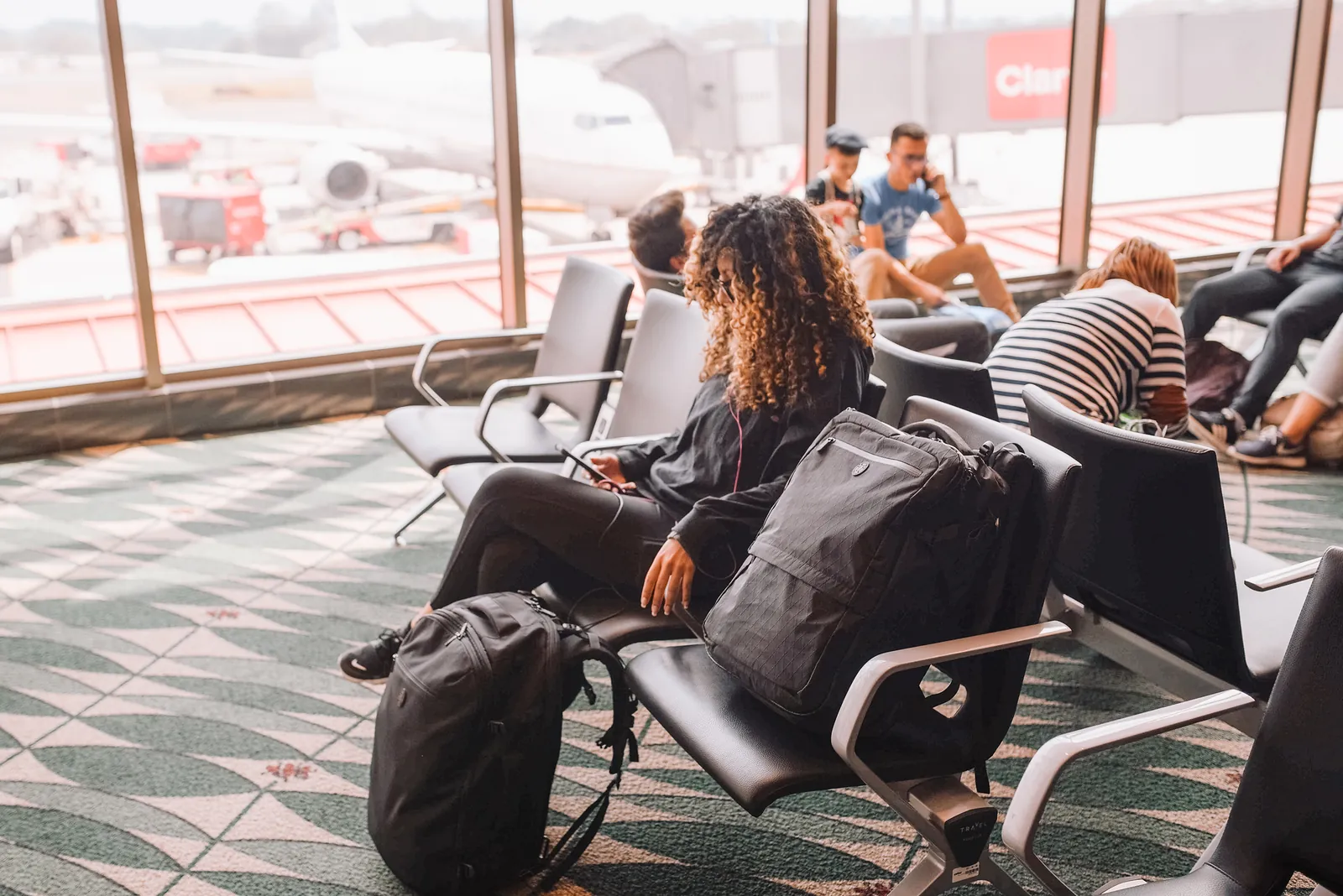
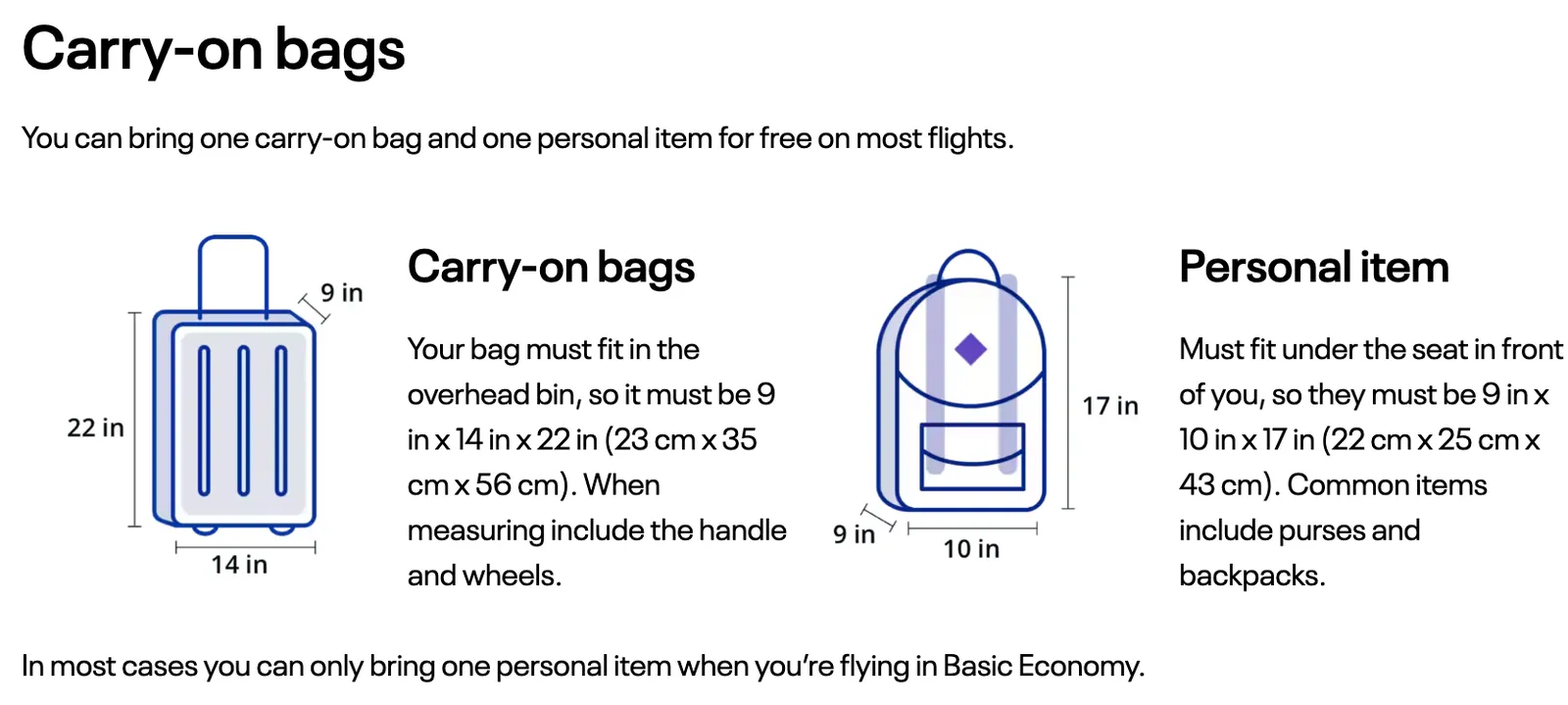
The short answer is yes, most airlines define your total allowance as one carry-on bag and one personal item. The carry-on bag is generally defined as the larger piece of luggage—often a rolling suitcase—that’s intended for the overhead bin. The backpack is classified as your personal item, provided it’s small enough to be stowed safely under the seat directly in front of you.
Defining Your Baggage Allowance
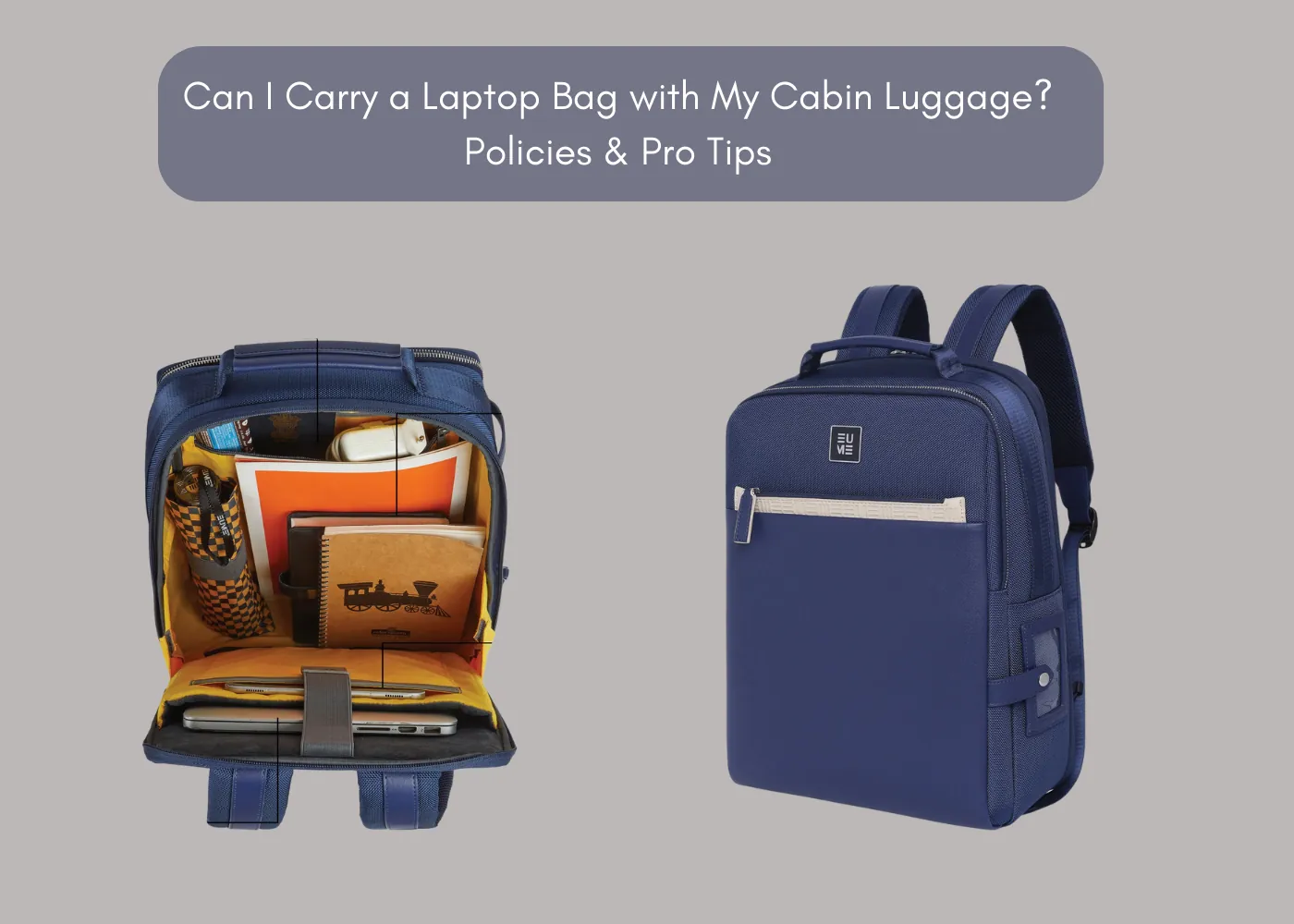
While the rules are generally consistent, the specific size limits can vary by carrier. It’s vital to check the airline website before you pack. If your backpack is oversized, the gate agent may categorize it as your primary carry-on, leaving you with no space for your suitcase in the overhead compartment. Keeping your items within the standard size limits ensures a smoother transition through security and boarding.
Comparing Standard Bag Classifications
| Item Type | Primary Storage Location | Typical Size Range (inches) |
|---|---|---|
| Carry-On Bag | Overhead Bin | 20″ x 14″ x 9″ to 22″ x 16″ x 10″ |
| Personal Item | Under Seat | 16″ x 11″ x 7″ to 18″ x 14″ x 8″ |
How To Maximize Your Packing Space
To make the most of your two-bag allowance, focus on efficient weight distribution. Place your heaviest, densest items in the rolling carry-on suitcase. Since this bag stays in the overhead bin, you don’t need to worry about the weight while walking through the terminal. Use your backpack for items you need during the flight, such as a laptop, headphones, medication, or snacks.
Organizing Your Backpack Essentials
Your backpack should act as a “go-bag” for your flight experience. When you organize this bag, prioritize accessibility. Use the exterior pockets for your passport, boarding pass, and phone charger. This prevents the need to unzip your main compartment while standing in a crowded security line or walking down the narrow aisle of the airplane.
What Are The Common Weight Limits?
Many travelers mistakenly believe that carry-on items have no weight limits, but this isn’t always true. While domestic flights in the United States often don’t weigh carry-on bags, international carriers may enforce a strict limit. Typical weight limits range from 15 to 22 pounds. Always check your booking confirmation to see if your airline enforces a total weight restriction for both bags combined.
Avoiding Unexpected Airport Fees
If your bags exceed the airline’s requirements, you may be forced to pay a gate-check fee. These fees vary significantly depending on the airline and the destination.
| Fee Type | Typical Cost Range (USD) |
|---|---|
| Standard Checked Bag Fee | $30 – $60 |
| Overweight/Oversized Fee | $75 – $200 |
| Gate Check Penalty | $50 – $100 |
Pro Tips For Smooth Boarding
Pro Tip: Pack a lightweight, foldable tote bag inside your backpack. If you find yourself needing extra space for items bought at the airport, you can pull this out to consolidate your belongings without violating the two-bag limit.
Warning: Don’t attempt to strap a second bag to the outside of your backpack. Gate agents count individual items, and any dangling gear might be flagged as a third carry-on item, which will likely be rejected at the boarding gate.
Frequently Asked Questions
Does a laptop bag count as a second item?
Yes, most airlines consider a laptop bag to be a personal item. If you’re already carrying a backpack, you must fit the laptop inside the backpack to avoid exceeding your allowance. Combining your electronics into one bag is the safest way to ensure you stay within the two-item limit and avoid any potential baggage fees during the boarding process.
Can I bring a purse and a backpack?
Generally, no. Most airlines allow only one personal item. If you bring both, you’ll likely be required to place your purse inside your backpack. If the combined items are too large to fit under the seat, the gate agent may force you to check the larger bag, which could result in an expensive fee depending on your ticket class.
What if my backpack is too big?
If your backpack exceeds the dimensions for a personal item, it will be treated as your carry-on. You’ll then have to check your rolling suitcase or pay an extra fee. To avoid this, measure your bag before leaving home. Most airlines provide a metal sizing bin at the gate, and if your bag doesn’t fit easily, you’ll be penalized.
Are there exceptions for medical equipment?
Most major airlines allow you to bring medically necessary items, such as CPAP machines or oxygen concentrators, in addition to your standard carry-on and personal item. However, you should contact the airline’s special assistance desk at least 48 hours before your flight to ensure you have the proper documentation and to confirm that the equipment meets safety requirements for cabin use.
Do children get the same allowance?
Children with their own purchased seats are typically entitled to the same baggage allowance as adults. However, if you’re traveling with an infant on your lap, they usually don’t receive a separate baggage allowance. In that case, you’re responsible for carrying all of their gear, such as diapers and bottles, within your own two-bag limit, though many airlines do allow a diaper bag.
Conclusion
Managing your luggage effectively is the key to a stress-free flying experience. By choosing the right gear and keeping your items organized, you can navigate the airport with ease while keeping all your essentials within reach. Always double-check your specific airline’s policy before you head to the terminal to ensure your bags meet their requirements and you’re ready for takeoff.