
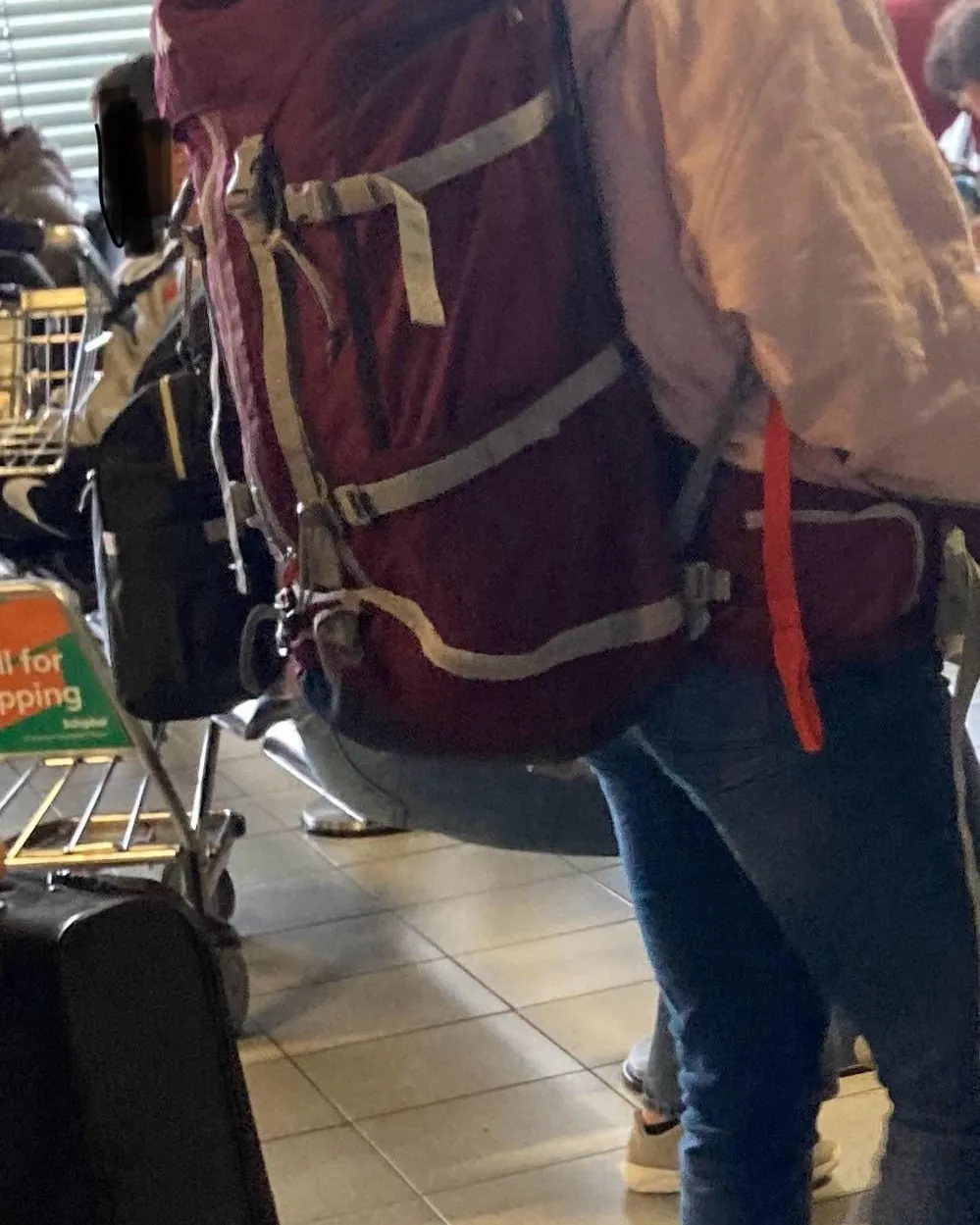
Yes, you can carry on backpacking backpacks if they fit within the airline’s size and weight limits. Most major carriers require bags to fit in the overhead bin, so you must check your specific airline’s dimensions before heading to the airport.
Carry on rules for backpacking backpacks
Photo: exploringwild.com on Google
The ability to bring your pack depends on the airline’s policy and your bag’s physical dimensions. Most international airlines allow a standard carry-on that measures approximately 22 x 14 x 9 inches, though budget carriers often enforce stricter limits.
| Airline Type | Typical Size Limit | Weight Limit |
|---|---|---|
| Major US Carriers | 22 x 14 x 9 in | None (if liftable) |
| Low-Cost Carriers | 21 x 14 x 9 in | 15–22 lbs |
| Regional Carriers | 20 x 12 x 8 in | 15 lbs |
| International Hubs | 22 x 16 x 8 in | 15–20 lbs |
If you’re unsure about your pack, look for the carry-on baggage guidelines published by the Transportation Security Administration. This site outlines what items are restricted, which helps you decide if your gear belongs in the cabin or the hold.
Factors that decide your bag’s status
The primary factor is whether your backpack fits inside the metal sizing frame located at the gate. Even if your bag is technically within the dimensions, a pack that’s overstuffed might not fit into the overhead bin. If the frame bars can’t close, or if the bag is too long to lie flat, the gate agent will force you to check it.
Another factor is the presence of external gear. Strapping sleeping pads, trekking poles, or bulky jackets to the outside of your bag adds inches that often push a pack over the limit. If your pack is mostly empty, you can compress it to fit; if your pack is rigid or full, it must meet the dimensions exactly.
If your pack is under 40 liters, it usually fits; if your pack exceeds 50 liters, it will likely need to be checked.
How to pack for the cabin

- Empty the external pockets. Remove all loose items, water bottles, and straps that stick out from the main body of your bag.
- Use compression straps. Pull all straps tight to ensure the bag sits as close to your back as possible to reduce its profile.
- Measure the frame. Place your pack inside the airline’s sizing bin at the check-in area to confirm it fits comfortably without force.
- Remove heavy items. Take out heavy electronics or metal tools if the bag feels too bulky, as these can be shifted to a smaller personal item.
- Check the weight. Lift the bag over your head to ensure you can place it in the bin yourself, as crew members generally don’t assist with heavy lifting.
The common mistake with backpack sizing
Most travelers make the mistake of measuring their pack while it’s empty and flat. This is a trap because a fully loaded backpack expands significantly, often gaining two or three inches in depth. This extra bulge prevents the bag from fitting into the overhead bin, which results in a last-minute gate check fee.
You should always measure your pack when it’s packed with the gear you intend to bring. Checking the size while the bag is full ensures you avoid unexpected baggage costs at the boarding gate.
When to stop and check your gear
- The frame is rigid or has an internal metal structure that prevents the bag from bending into the sizer.
- The pack contains prohibited items like large multi-tools or trekking poles that aren’t allowed in the cabin.
- Your pack exceeds the weight limit of the specific airline, which requires professional baggage handling.
- You can’t lift the bag above your head without help, creating a risk to yourself and other passengers.
If you hit any of these limits, you must check the bag at the counter.
Frequently asked questions
Can I bring trekking poles in my carry-on?
No, trekking poles are prohibited in the cabin by most aviation security agencies. You must pack them in your checked luggage or ship them to your destination to avoid them being confiscated at security.
Does my backpack count as a personal item?
It depends on the size, but most backpacks count as your primary carry-on. If your bag is small enough to fit under the seat in front of you, it may qualify as a personal item.
What happens if my bag is too big at the gate?
You’ll likely be charged a gate-check fee that’s higher than the standard checked bag price. These fees vary by airline, so check their website before you arrive at the terminal.
Is it safe to carry expensive camera gear in a backpack?
Yes, it’s safer to keep expensive electronics in your carry-on than in checked luggage. Keep your camera gear in a padded insert inside your backpack to protect it from bumps and drops.
How long does it take to clear security with a large pack?
It takes longer to clear security with a large pack because agents may need to inspect the contents more thoroughly. Allow an extra 20 minutes beyond your normal arrival time at the airport.
Does the airline weigh my backpack?
It depends on the airline, as budget carriers weigh carry-ons more frequently than major carriers. Always be prepared to meet the weight limit if you’re flying with a low-cost budget airline.
Conclusion
Start by measuring your bag when it’s fully packed to see if it meets the airline’s stated dimensions. If it fits, you can proceed to the gate; if it’s too large, you must check it to avoid a fee. If the bag is heavy or contains sharp tools, get help from the airline staff.
Related guides