
Your backpack can absolutely be used as a carry-on bag, provided it meets the specific size and weight restrictions established by your airline. Most major carriers permit one personal item and one carry-on bag, so your backpack serves as either your primary storage or a secondary item under the seat. Navigating these rules requires an understanding of standard dimensions, weight limits, and how to pack efficiently to avoid gate-checking fees.
Key Takeaways
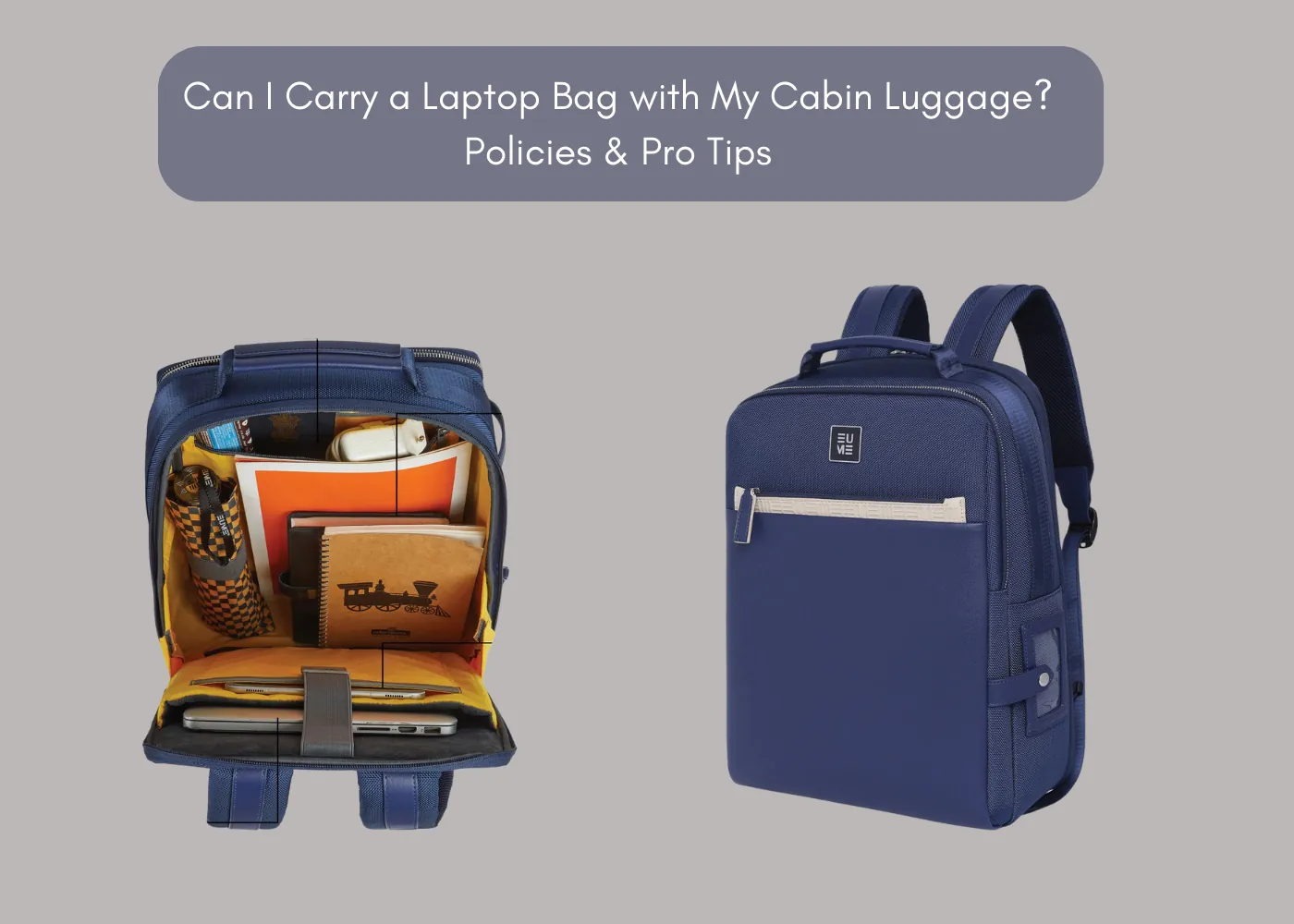
- Check your airline’s specific carry-on baggage size limits before heading to the airport.
- Most standard backpacks fit under the seat, classifying them as a personal item.
- Larger hiking packs often require overhead bin space and must meet carry-on dimensions.
- Measure your bag while it’s fully packed to ensure it doesn’t bulge past limits.
- Always keep essential electronics and medication in your backpack rather than checked luggage.
Can my backpack be a carry on?
Yes, a backpack functions as a carry-on if it adheres to the airline’s maximum length, width, and height requirements. Airlines typically differentiate between a “personal item,” which must fit under the seat, and a “carry-on bag,” which is stowed in the overhead bin. Compact backpacks qualify as personal items.
Standard Airline Size Restrictions
Airlines categorize bags based on their dimensions. While every carrier maintains unique policies, they generally follow a standard range for carry-on items. A personal item usually measures between 16 x 11 x 6 inches and 18 x 14 x 8 inches. A standard carry-on bag typically ranges from 22 x 14 x 9 inches to 24 x 16 x 10 inches. Verify these numbers on your airline’s website, as budget carriers often enforce stricter limits.
| Bag Type | Typical Dimensions (Inches) | Location |
|---|---|---|
| Personal Item | 16 x 11 x 6 to 18 x 14 x 8 | Under Seat |
| Carry-On Bag | 22 x 14 x 9 to 24 x 16 x 10 | Overhead Bin |
Identifying Your Bag Category
Measure total exterior dimensions including wheels, straps, and pockets to see if your gear qualifies. A soft-sided backpack is often easier to squeeze into a sizer bin than a rigid frame pack. Overpacked bags may exceed limits and require gate-checking. Use compression straps to minimize the profile of your bag if it feels slightly oversized.
How to Measure Your Backpack
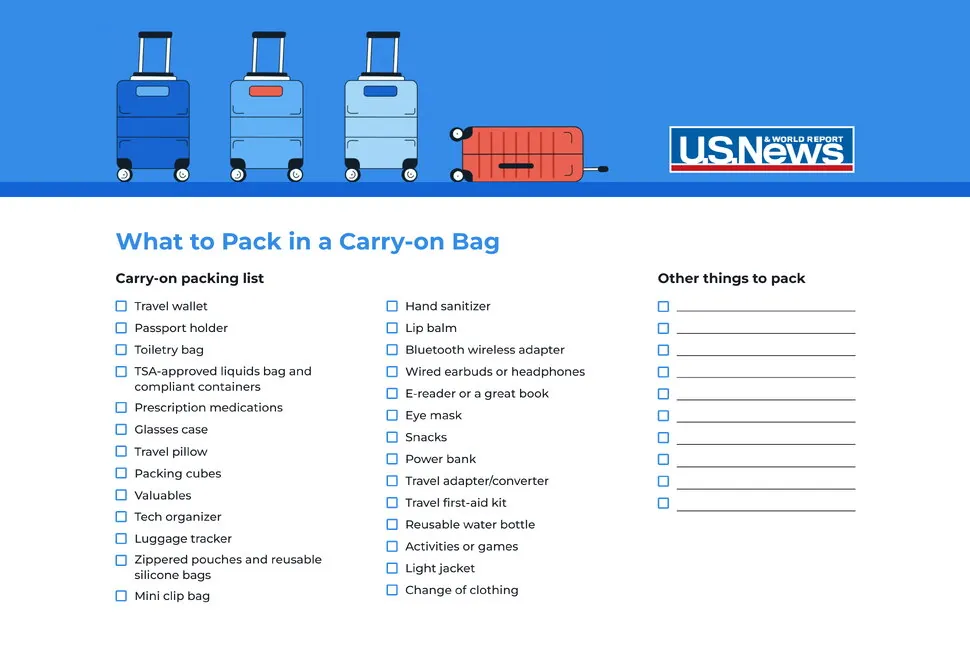
Measure your backpack’s height, width, and depth on a flat surface. Don’t measure the bag while it’s empty; fill it with your travel items to get an accurate reading of its inflated size. Include your laptop’s thickness in the depth measurement.
Weight Limits for Cabin Bags
While many US airlines lack strict carry-on weight limits, international carriers often cap them at 15 to 22 pounds. Always check the airline policy manual before leaving home to avoid surprises at the check-in desk.
Is My Backpack a Personal Item?
If your backpack fits comfortably under the seat in front of you, it’s considered a personal item. Small daypacks or laptop-specific bags are the most common examples of personal items. Larger backpacks, such as those used for camping or extended travel, will likely need to go in the overhead bin, making them your primary carry-on.
Tips for Avoiding Gate Checks
Pro Tip: If your backpack looks bulky, wear your heaviest items, such as a thick jacket or boots, to reduce the weight and volume of your bag before you reach the boarding gate.
Try to board early if you’re worried about bag size. Keep your travel documents and wallet in a small pouch inside your bag so you can quickly remove them if you’re forced to gate-check your backpack.
Essential Packing Strategies
Organization maximizes space. Use packing cubes to compress your clothing and keep your items separated. Place heavy items at the bottom for better balance. Keep electronics accessible for security screening.
| Packing Tool | Purpose | Benefit |
|---|---|---|
| Packing Cubes | Organize clothes | Saves space |
| Toiletry Bag | Liquid storage | Easy access |
| Cable Organizer | Secure cords | Prevents tangles |
Managing Liquids and Electronics
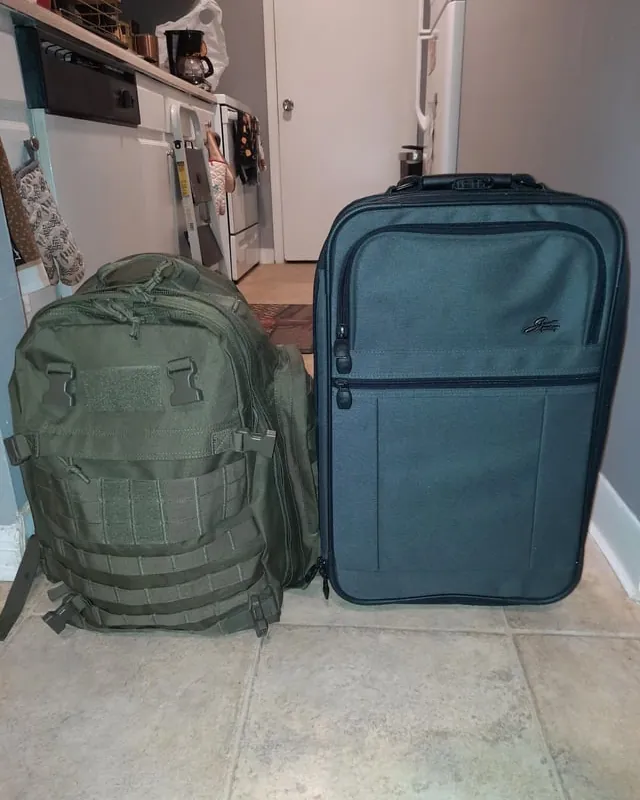
Liquids must follow the 3-1-1 rule. Ensure your liquids are in containers of 3.4 ounces or less, stored in a single, quart-sized, clear plastic bag. Remove electronics during security screening. Keep these items in a dedicated compartment for quick retrieval.
Frequently Asked Questions
Do I have to pay to bring a backpack?
If your backpack fits the personal item dimensions, it’s usually free on most airlines. However, some ultra-low-cost carriers charge for any bag that goes into the overhead bin. Always check your booking confirmation to see if you have paid for a carry-on allowance.
Can I bring two backpacks?
Most airlines allow one personal item and one carry-on bag. If both are large, you may be required to pay a fee to check the second bag. Check your specific ticket rules, as some basic economy fares restrict passengers to only one small personal item.
What if my backpack is slightly oversized?
If your bag is only slightly oversized, it might pass if it’s soft-sided and can be squished into the airline’s metal sizer box. If it’s a rigid frame pack, the gate agent will likely notice the excess size.
Can I carry a hiking backpack?
Yes, you can carry a hiking backpack as long as it meets the dimensions for a carry-on. Many large hiking packs are too tall or wide for the overhead bins. If your pack has a rigid external frame, it’s almost certainly too large and will need to be checked. Choose a frame-less or travel-specific backpack if you plan to use it as a carry-on.
Does a laptop bag count as a carry-on?
A laptop bag is almost always considered a personal item. If you’re also carrying a backpack, you’ll have two items total. As long as one bag fits under the seat and the other fits in the overhead bin, you’re within the standard two-bag limit.
Conclusion
Ensure your backpack is packed according to the specific dimensions of your airline to guarantee a smooth boarding process. By verifying your bag size and weight before you leave, you can avoid unnecessary fees and keep your belongings with you throughout your flight. Always double-check your airline’s website one last time before heading to the airport to confirm your allowance.