
Yes, you can absolutely carry on a backpacking pack, provided it meets specific size constraints and avoids restricted items. Most airlines define carry-on luggage by external dimensions rather than by the type of bag, meaning your technical hiking pack is perfectly acceptable as long as it fits within the overhead bin. The primary challenge lies in the rigid frame or the overall length, which can sometimes exceed the strict limits enforced by budget carriers.
Key Takeaways
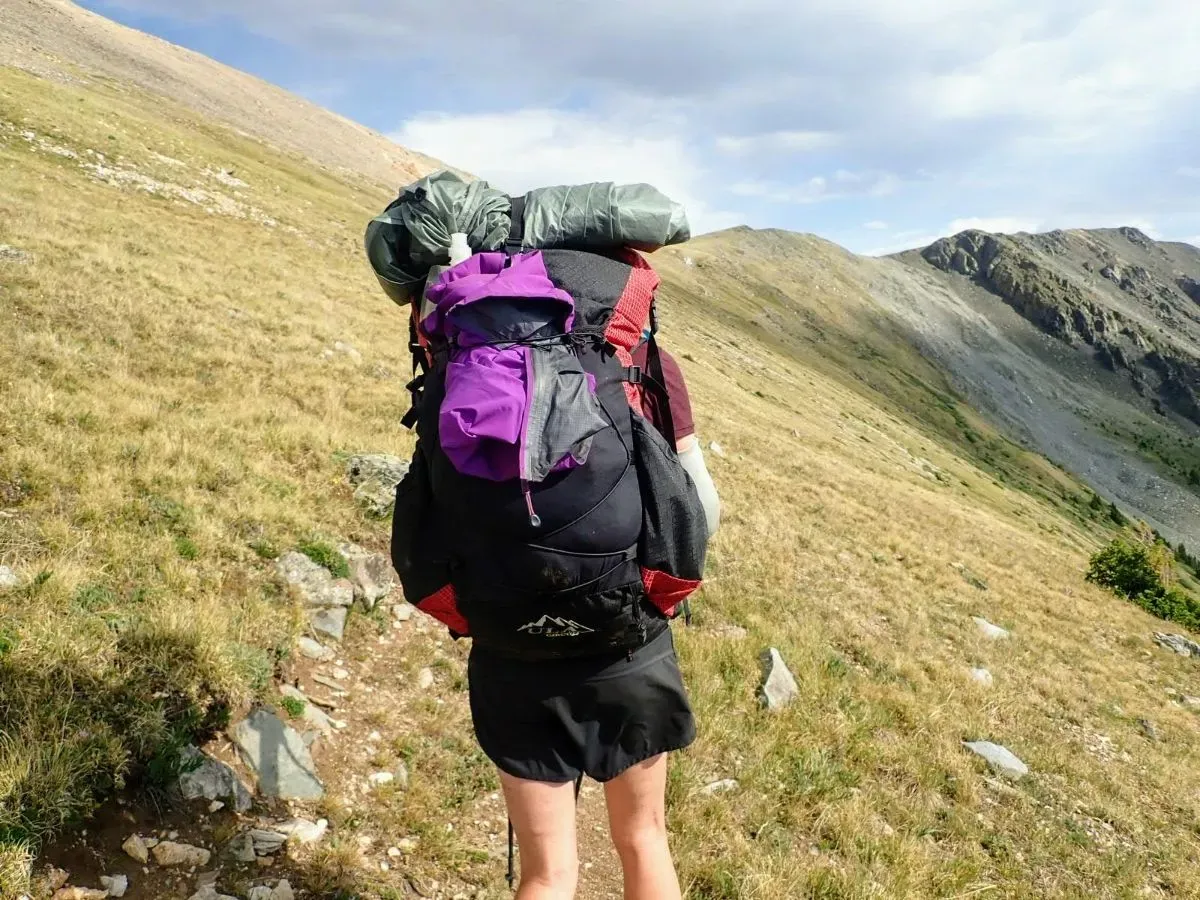
- Check your airline’s specific size limits before arriving at the airport gate.
- Remove all prohibited tools, such as knives or trekking poles, from your pack.
- Use compression straps to keep your bag profile slim and within bin requirements.
- Always keep essential documents and electronics in an accessible top pocket.
- Expect to check the bag if it’s over-packed or exceeds dimensions.
Can You Carry On A Backpacking Pack?
You can carry on a backpacking pack if it falls within the standard dimensions allowed by most commercial airlines. While a 60-liter pack is usually too large, many 30 to 45-liter packs designed for overnight trips are ideal candidates for the cabin.
The critical factor is the frame. If your pack has a long, rigid internal frame, it may fail the “sizers” used at boarding gates. Always measure your pack while it’s fully loaded to see if it bulges beyond the allowed depth.
Understanding Airline Size Limits
Airlines classify bags based on linear inches or centimeters. A standard carry-on size is typically 22 x 14 x 9 inches. When you look at your pack, ensure the hip belt is removable or can be tucked away tightly against the back panel. If your pack is too tall, it won’t fit in the overhead bin, and you’ll be forced to check it at the gate, often incurring a significant fee.
| Airline Class | Max Dimensions (Inches) | Weight Limit (Lbs) |
|---|---|---|
| Budget Carriers | 18 x 14 x 8 | 15 – 25 |
| Major Domestic | 22 x 14 x 9 | 30 – 40 |
| International | 22 x 16 x 10 | 22 – 30 |
Prohibited Items In Your Gear
The biggest hurdle for backpackers is the gear usually stored inside the pack. Items like camp stoves, fuel canisters, and sharp tools are strictly forbidden in the cabin. According to the Transportation Security Administration carry-on rules, you must ensure that any knives, multi-tools, or trekking poles are placed in your checked luggage. If you carry these in your pack, security will confiscate them during the screening process.
Managing Your Internal Frame
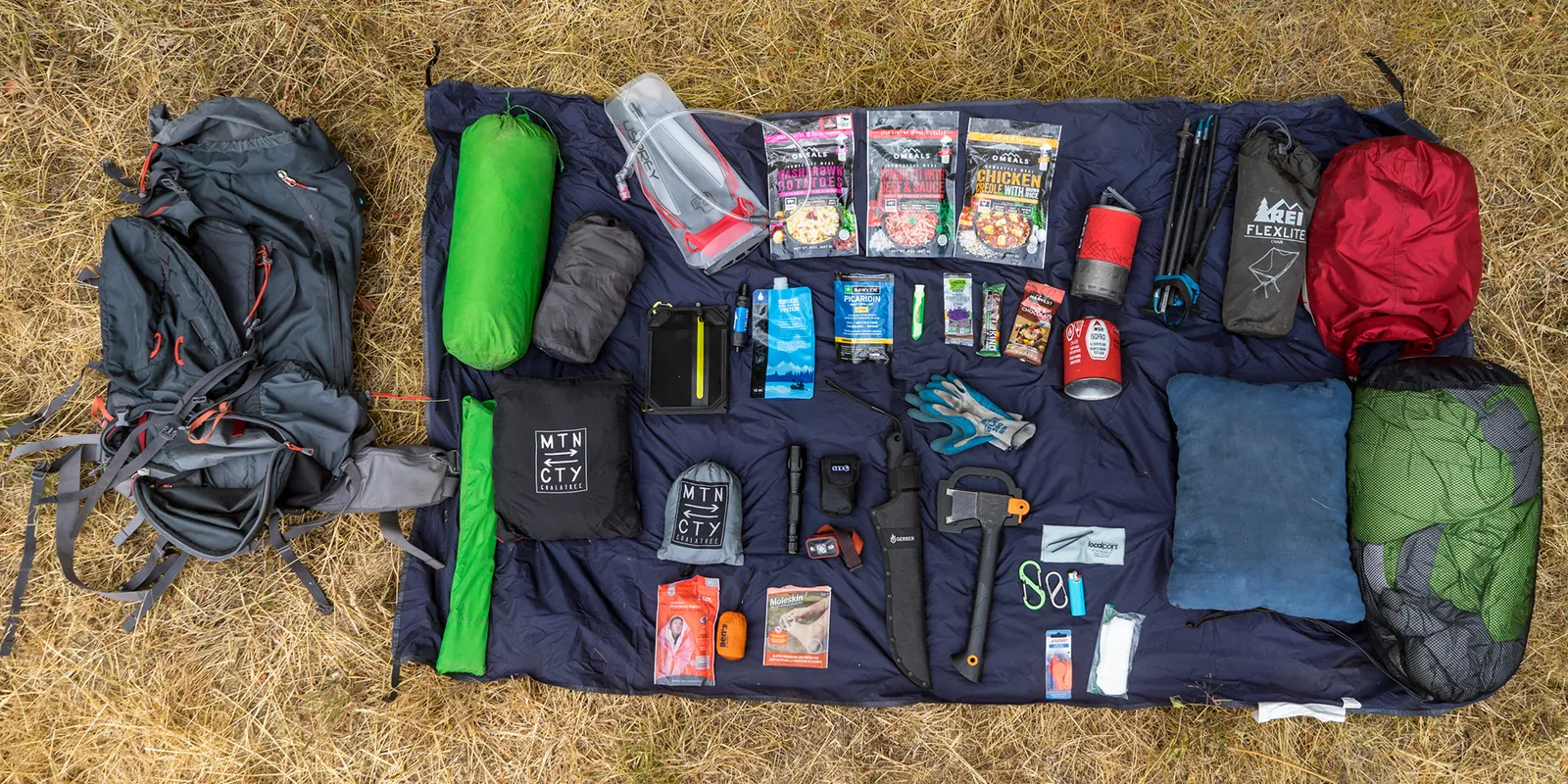
Many modern backpacks feature a stay or frame sheet that provides structural support. If your pack is just slightly too long, you might be able to remove the frame sheet if the design allows it. However, this impacts the comfort of the pack significantly. A better approach is to use a pack that features a collapsible design or one that’s specifically sized for carry-on travel.
How To Pack For Success
Organizing your gear effectively helps you maintain the required dimensions. Place your heaviest items closer to the back panel to keep the center of gravity stable. Use packing cubes to compress soft clothing, which allows you to manipulate the shape of the bag if it feels slightly over-stuffed. Avoid dangling gear like sleeping pads or water bottles on the outside of the pack, as these snag on overhead bins and increase your profile.
| Packing Strategy | Benefit | Risk |
|---|---|---|
| Compression Straps | Reduces overall volume | Can warp frame shape |
| Packing Cubes | Organizes internal space | Adds minor base weight |
| Detachable Daypack | Increases flexibility | Increases overall length |
Is A 50-Liter Pack Too Big?
Generally, a 50-liter pack is considered too large for a standard carry-on. While a mostly empty 50-liter bag might pass, once it’s stuffed with gear, it almost always exceeds the 22-inch length limit. If you plan to carry on, aim for a 35 to 40-liter bag. These models often lack the massive hip belts that make larger packs difficult to stow in smaller aircraft compartments.
Warning: Gate Check Risks
Warning: If your pack is deemed too large at the gate, you may be forced to check it into the cargo hold. This is a risky situation for expensive backpacking gear. If you must gate-check, ensure your pack has a protective cover or a heavy-duty duffel wrap. Without this, your straps, buckles, and hydration tubes are highly susceptible to damage from ground handling equipment during the loading process.
Troubleshooting Common Issues
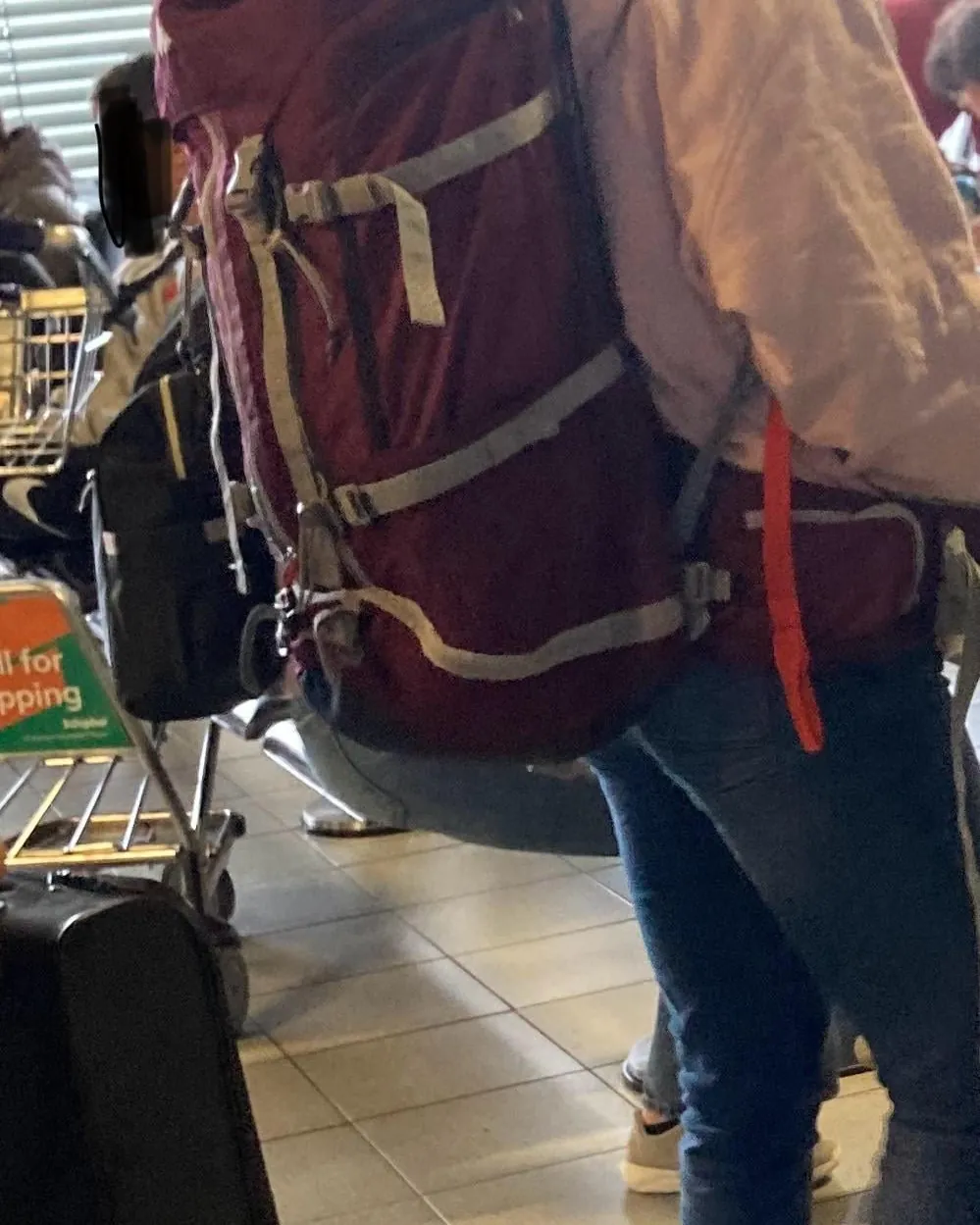
If you find that your pack is bulging, try removing your jacket or heavy layers and wearing them through security. This reduces the bulk of your pack and helps you meet the size requirements. If you have a removable “brain” or top lid on your pack, take it off and carry it as your personal item. This effectively splits your gear into two smaller, more manageable pieces that easily fit under the seat or in the bin.
Related guides
Frequently Asked Questions
Will my trekking poles be allowed?
No, trekking poles are considered sharp objects and aren’t permitted in the cabin. You must pack them in your checked luggage. If you’re traveling for a long distance and don’t want to check a bag, consider renting poles at your destination or using a local outfitter to ship your gear ahead of time.
Can I bring a multi-tool?
Standard multi-tools with blades are prohibited in carry-on bags. Even small blades can be flagged by security screeners. It’s safer to leave your multi-tool at home or pack it in a checked bag. If you absolutely need a tool, look for a TSA-compliant version that specifically lacks a blade, though even these can be subject to the screener’s discretion.
What about my camp stove?
Camp stoves are strictly prohibited in carry-on luggage if they have ever contained fuel. Even if you believe the stove is completely empty, residual fumes can trigger safety alarms. Always place stoves in checked luggage. Ensure the stove is cleaned thoroughly before packing to avoid any issues with airport security or baggage handlers who may be concerned about flammable odors.
Does a hip belt count?
Airlines measure the total dimensions of the bag, including all protrusions. A large, padded hip belt often makes the bag wider than the allowed 14-inch limit. If your hip belt isn’t removable, try to fold it tightly against the pack or tuck it behind the back panel. If it can’t be tucked away, it may be counted as part of the total width.
Can I carry a hydration bladder?
You can carry an empty hydration bladder through security without issue. However, you can’t bring it through the checkpoint if it’s filled with water. Once you have cleared security, you can fill your bladder at a water fountain or bottle-filling station. Ensure the tube is properly secured so it doesn’t snag on the overhead bin or seat mechanisms during your flight.
Conclusion
Preparing for your trip involves balancing your gear list with airline regulations to ensure a smooth boarding process. By selecting a pack that fits the standard dimensions and removing restricted items, you avoid the hassle of gate-checking your equipment. Take a moment to verify your specific airline’s current policy on their official website before you head to the airport.