
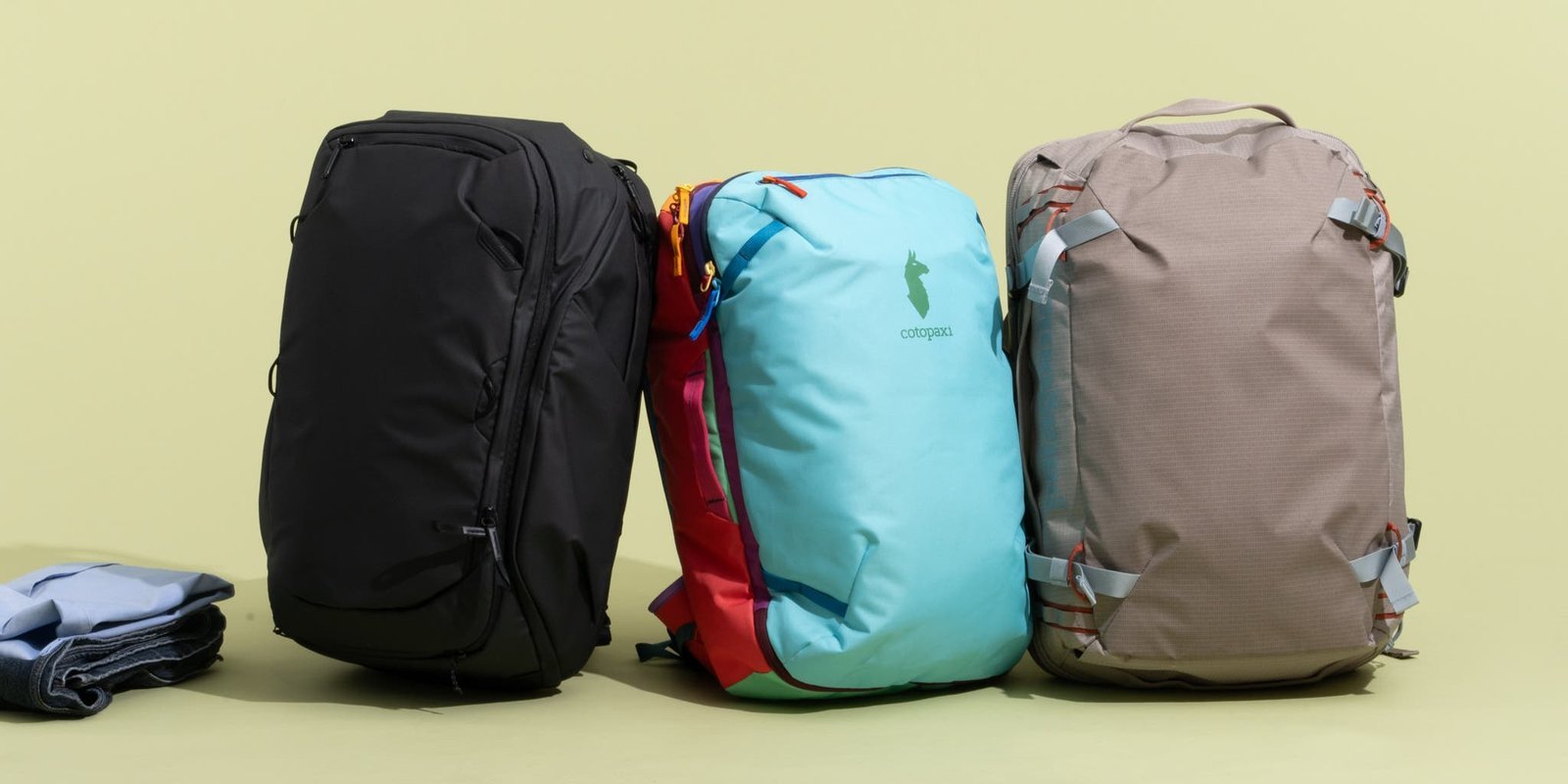
If you are asking which is the best backpack for travelling, the Osprey Farpoint 40 is the top choice because it balances carry-on compliance with a comfortable suspension system. This assumes you prioritize mobility; those carrying heavy photography or camping gear will need a larger, frame-supported pack.
Which is the best backpack for travelling: Key features
Photo: www.youtube.com on Google
Choose a 40-liter capacity to meet most airline carry-on size limits. This volume hits the “Goldilocks zone” for week-long trips without needing to check a bag.
Look for stowaway straps to protect buckles during airport baggage handling. If your bag lacks these, use a heavy-duty laundry bag to wrap it before checking. This prevents the conveyor belt from snapping your plastic clips.
Ensure the bag has an internal compression system to keep your gear stable. Without it, your clothes will shift during transit, creating an uneven weight distribution that strains your shoulders.
Check that the back panel offers breathable mesh to prevent sweat buildup.
Pick a model with a lockable zipper to secure your items in hostels. Use TSA-approved cable locks rather than rigid shackle locks.
Verify the weight of the empty pack is under 3 pounds for comfort. Every ounce saved on the bag itself is an ounce more you can pack for your journey.
Why proper fit matters
Choosing the right bag depends on your torso length rather than your height. A backpack that doesn’t match your spine length will transfer weight to your shoulders instead of your hips, which leads to fatigue after only a few miles of walking. Most high-quality manufacturers, such as Osprey, provide specific sizing guides on their official product pages. You should measure from your C7 vertebrae at the base of your neck down to your iliac crest, which is the top of your hip bone. If you’re between sizes, a smaller bag is usually safer to ensure the harness sits correctly on your hips. According to the American Academy of Orthopaedic Surgeons, a backpack should never weigh more than 10 to 20 percent of your body weight to avoid back strain and posture issues. Always check the manufacturer’s label for the official load capacity rating.
When the answer is different
| Situation | What changes | What to do instead |
|---|---|---|
| Long-term camping | Need external frame | Buy 65L hiking pack |
| Business travel | Need laptop protection | Choose padded tech bag |
| Daily city trips | Need low profile | Use 20L daypack |
| Heavy camera gear | Need padded dividers | Use photo-specific bag |
| Budget airline travel | Need strict dimensions | Measure bag before flight |
How to do it properly
- Empty your bag completely to see its natural shape and weight before you start your packing process for the trip.
- Place the heaviest items, like shoes or heavy books, close to your back and in the middle of the bag.
- Fill the gaps between heavy items with soft clothing or socks to prevent the load from shifting while you walk.
- Tighten all external compression straps firmly to pull the weight closer to your center of gravity for better balance.
- Adjust the hip belt first, ensuring it sits on your hip bones, then tighten the shoulder straps to pull it in.
- Fasten the sternum strap across your chest to stop the shoulder straps from sliding outward while you’re moving around.
The mistakes that ruin it
Overpacking the front pockets creates a lopsided weight distribution that pulls your shoulders backward.
Leaving loose straps hanging causes them to snag on airport conveyor belts or public transit doors. If you see dangling webbing, tuck it into the compression clips. A snagged strap can snap a buckle, rendering the bag unwearable.
Ignoring the rain cover means your electronics may suffer water damage during unexpected storms. If your pack lacks an integrated cover, use a waterproof dry bag liner for your laptop.
Wearing the bag too low on your back forces you to slouch, which causes significant neck pain. Always tighten the hip belt first. If the pack sits below your iliac crest, you’re carrying the entire load on your shoulders.
Frequently asked questions
Photo: expertvagabond.com on Google
Can I take a 50-liter bag on a plane?
No, most airlines limit carry-ons to 40 or 45 liters. You should check the specific airline’s baggage policy on their website before your flight, as dimensions vary by carrier and aircraft size.
Is it safe to lock my backpack zippers?
Yes, using a TSA-approved lock prevents casual theft in crowded areas. This assumes you’re using a lock that security agents can open with a master key; otherwise, they may cut your zipper pulls.
How long should a travel backpack last?
A well-made bag lasts about five to ten years with regular use. This varies by model and how often you travel, so check the manufacturer’s warranty for details on material and zipper coverage.
What happens if the bag is too heavy?
It’s best to weigh your bag before leaving home to ensure it stays under your comfort limit.
Does the material matter for durability?
Yes, high-denier nylon fabrics resist tears and abrasions better than thin polyester. Check the product specifications for the denier rating to see how tough the outer shell is for your needs.
How do I clean my travel backpack?
You should hand wash it in a tub with lukewarm water and mild soap. Never use a washing machine or dryer, as high heat can damage the waterproof coating and structural foam inside the bag.
Final Thoughts
Choosing the right bag is a personal journey, so don’t rush your decision. Head to a local outdoor shop to try on a few models with some weight inside. You’ll quickly feel which one fits your frame best, and you’ll be ready to start your next adventure with total confidence.