
You can find high-quality bags at specialized outdoor retailers, department stores, or directly through manufacturer websites, and finding backpacks that fit your specific needs depends largely on whether you prioritize durability, organizational features, or budget-friendly pricing for daily commuting or rugged wilderness travel.
Knowing your needs
The first step is deciding if you need a bag for school, work, or hiking. If you choose a specialized hiking pack for the office, you’ll likely find it too bulky, while a basic school bag will lack the support needed for heavy wilderness loads.
The biggest mistake is ignoring the torso length. Most people buy bags based on brand reputation, but a pack that doesn’t match your back length will cause pain regardless of the price or features.
Where can I get backpacks: Retailer guide
Photo: www.paco-casal.com on Google
- Measure your torso length from your C7 vertebrae to your iliac crest to ensure a proper fit.
- Select a capacity based on your activity, such as 20 liters for daily carry or 50+ liters for multi-day trips.
- Visit a local outfitter to try on models with weight inside to test how the straps sit on your shoulders.
- Inspect the zippers and stitching for reinforcement, as these are the first parts to fail under regular use.
Tip: If you’re buying online, always check the return policy first, as fit is the most common reason for returns.
Estimating shopping time
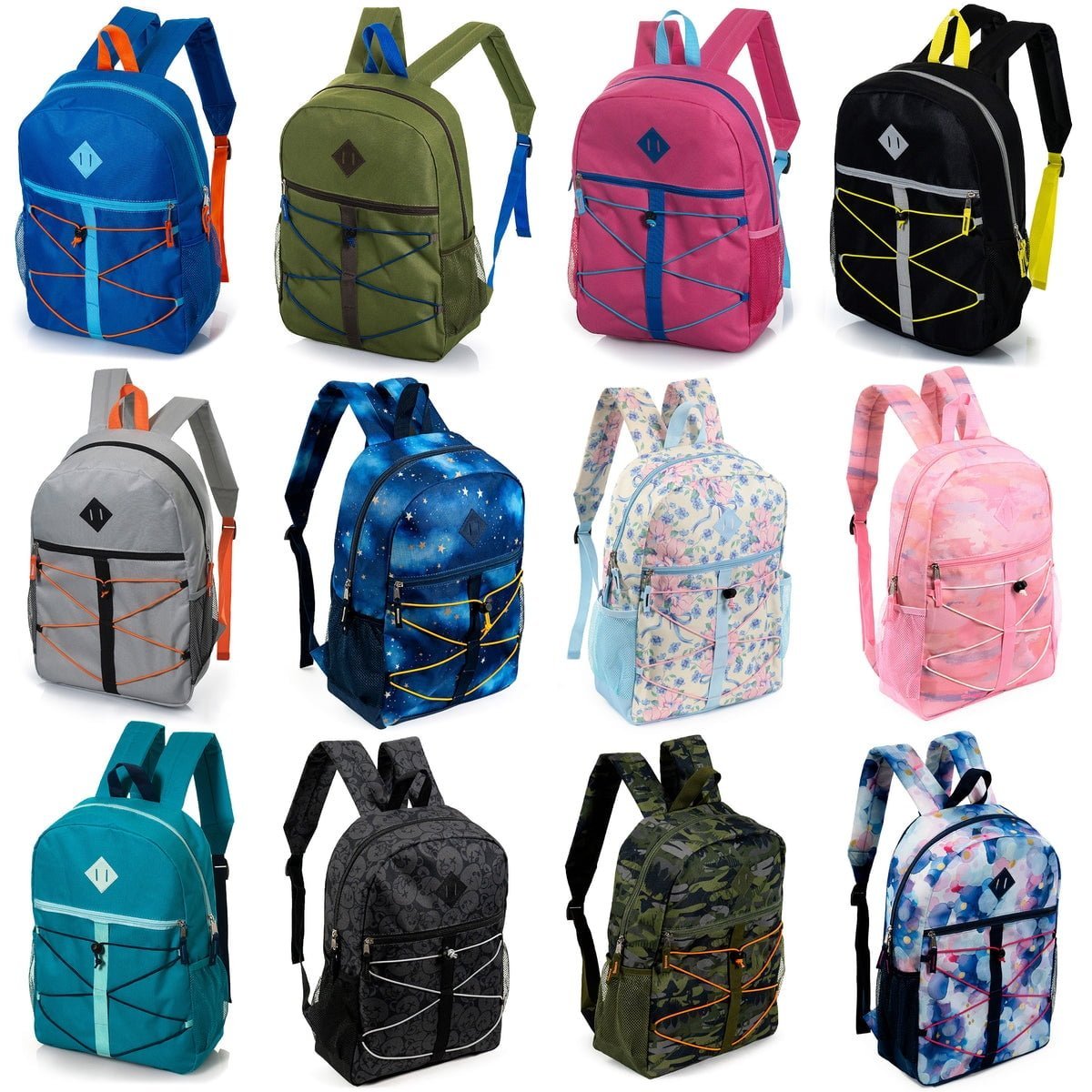
The time required to secure the right bag varies based on your research depth and access to physical stores.
| Situation | Time Needed | What changes it | What to watch for |
|---|---|---|---|
| Online search | 1-2 hours | Filtering by brand | Shipping times |
| Local shop visit | 30-60 mins | Inventory size | Fitting assistance |
| Custom fitting | 1-2 hours | Store expertise | Adjusting straps |
Testing for completion
Photo: rakeshpark.com on Google
You know you have the right bag when the weight sits comfortably on your hips rather than pulling on your shoulders. The chest strap should be adjustable to prevent the shoulder straps from sliding, and the load should stay close to your back without swaying while you walk.
If you’re unsure, pack the bag with five kilograms of weight and walk for ten minutes. If you feel pressure points or chafing, the fit is likely wrong.
A common mistake is tightening the shoulder straps first. This pulls the pack away from your frame and forces your lower back to compensate for the imbalance. Always buckle the hip belt first to anchor the load. If the belt sits above your iliac crest, the bag is too short for your torso. If it sits below your pelvic bone, the frame is too long.
Common purchasing errors
- Ignoring the frame type: Choosing a frameless bag for heavy loads will result in sagging and poor weight distribution. Instead, verify if the model includes an internal frame sheet or stays.
- Overestimating capacity: Buying a larger bag than necessary often leads to overpacking and unnecessary weight. Always match the volume to your specific, planned activity.
- Skipping the adjustment: Failing to tighten the load lifters or hip belt makes a high-quality bag feel cheap. Always adjust every strap while wearing the pack to ensure it moves with your body.
How do I know what size backpack I need?
You need to calculate your torso length and the volume of gear you plan to carry. Most manufacturers provide a sizing chart based on your height or spine length, so check the specific model’s brand page before finalizing your purchase to ensure a safe and comfortable fit.
Is it safe to buy a used backpack?
Yes, provided you carefully inspect the structural integrity of the seams, zippers, and padding. Check for any signs of mold, broken buckles, or frayed straps, as these issues can compromise the gear’s performance and comfort during extended use in the field.
How long should a good backpack last?
A high-quality bag typically lasts for many years with regular, careful use. The lifespan depends heavily on the materials used, such as denier nylon, and how well you clean and store the bag away from direct sunlight when not in use.
Can I use a hiking backpack for school?
You can, but it’s often less convenient due to the lack of dedicated laptop sleeves and internal organizational pockets. If you choose this route, look for a “daypack” style that balances hiking support with features like a padded compartment for electronics.
What happens if the backpack doesn’t fit?
If the pack doesn’t fit, it will likely cause shoulder or lower back pain because the weight isn’t distributed correctly. Stop using it immediately and check the retailer’s return policy to exchange it for a model that aligns with your specific torso measurements.
How often should I clean my backpack?
You should deep clean your bag regularly, or whenever it becomes visibly dirty or sweaty. Use mild soap and a soft brush, then air dry it completely in the shade to prevent the material coatings from breaking down over time.
Choosing the right bag is about matching the equipment to your body and your planned activities. Once you have confirmed your measurements and tested the fit, you’ll have a reliable tool that lasts for many years of travel or daily use.