
If you are wondering where can i buy a small backpack, you can find one at outdoor gear retailers, department stores, or luggage manufacturer websites. Your choice depends on whether you value physical inspection, brand variety, or return policies.
Where can i buy a small backpack: Top Retailers
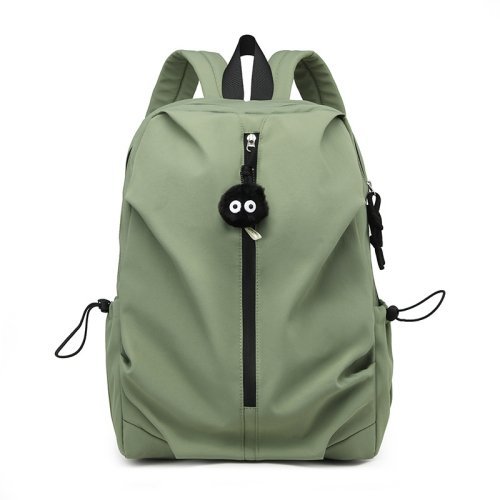
- Visit specialized outdoor retailers to test the strap comfort and back padding in person.
- Check department stores for budget-friendly fashion options that fit standard school supplies.
- Use official manufacturer websites to find specific warranty terms and product-size dimensions.
- Measure your torso length before buying to ensure the bag fits your frame correctly.
- Compare return policies; some stores offer free shipping for returns, while others charge fees.
- Look for “daypack” labels if you need a bag for short trips under 20 liters.
Reasons to choose specific retailers
Choosing the right place to purchase gear depends on the intended use of the item. Physical outdoor stores allow you to load the bag with weighted sandbags to test how it sits on your spine. This is essential because a bag that feels light when empty can cause strain once filled with books or water bottles. If you prioritize durability, buying directly from a brand’s website ensures you receive authentic materials, as noted by the Federal Trade Commission regarding counterfeit goods.
If you need a bag for daily commuting, department stores often provide a wider range of aesthetics and colors. However, these retailers may not offer the same technical support or repair services as specialized outdoor shops. Always check the product label for the specific volume capacity in liters. If the label is missing or unclear, verify the dimensions against the manufacturer’s official size chart before completing your purchase.
When the answer is different
| Situation | What changes | What to do instead |
|---|---|---|
| Need specialized hiking | Weight distribution | Visit technical outdoor shops |
| Tight budget | Material quality | Check discount department stores |
| Travel needs | Size regulations | Use airline-specific size guides |
| Professional setting | Visual style | Shop at luxury leather retailers |
| Kid’s school use | Durability requirements | Buy from stationer suppliers |
The primary mistake people make is assuming a general-purpose bag handles every scenario. If you carry over 15 pounds for more than three hours, a standard strap will cause shoulder strain. In this case, you must prioritize an internal frame or load-lifter straps.
Distinguishing between these needs is simple. If your commute involves heavy electronics, look for a dedicated laptop sleeve with a suspended base. If you’re hiking, look for a hip belt that transfers weight to your legs.
If you ignore these criteria, you risk hardware failure or chronic back pain. A bag built for a classroom will likely tear under the weight of professional camera gear. Always verify the denier rating of the fabric before purchasing. Higher denier numbers indicate better abrasion resistance for rugged environments.
How to do it properly
- Measure your back length from the base of your neck to your waistline to ensure the bag fits your body frame.
- Determine your required volume; for daily errands, a 10 to 15-liter capacity is usually enough to carry a tablet and light gear.
- Search the websites of reputable manufacturers to filter by “daypack” or “mini” categories to narrow down your options by specific size.
- Check the store’s return policy to confirm you can send the item back if the shoulder straps don’t adjust to your height.
- Read the material specifications on the product page; look for nylon or polyester if you need water resistance for outdoor use.
- Place your order using a secure payment method and save your digital receipt for any potential warranty claims in the future.
The mistakes that ruin it
- Ignoring the torso length measurement, which leads to a bag that sits too low and causes lower back pain.
- Buying based only on online photos without checking dimensions, which results in a bag that’s too small for a laptop.
- Failing to check the return window, which leaves you stuck with a bag that doesn’t suit your needs.
- Assuming all “small” backpacks fit under airline seats, which can lead to extra fees if the dimensions exceed limits.
Frequently asked questions
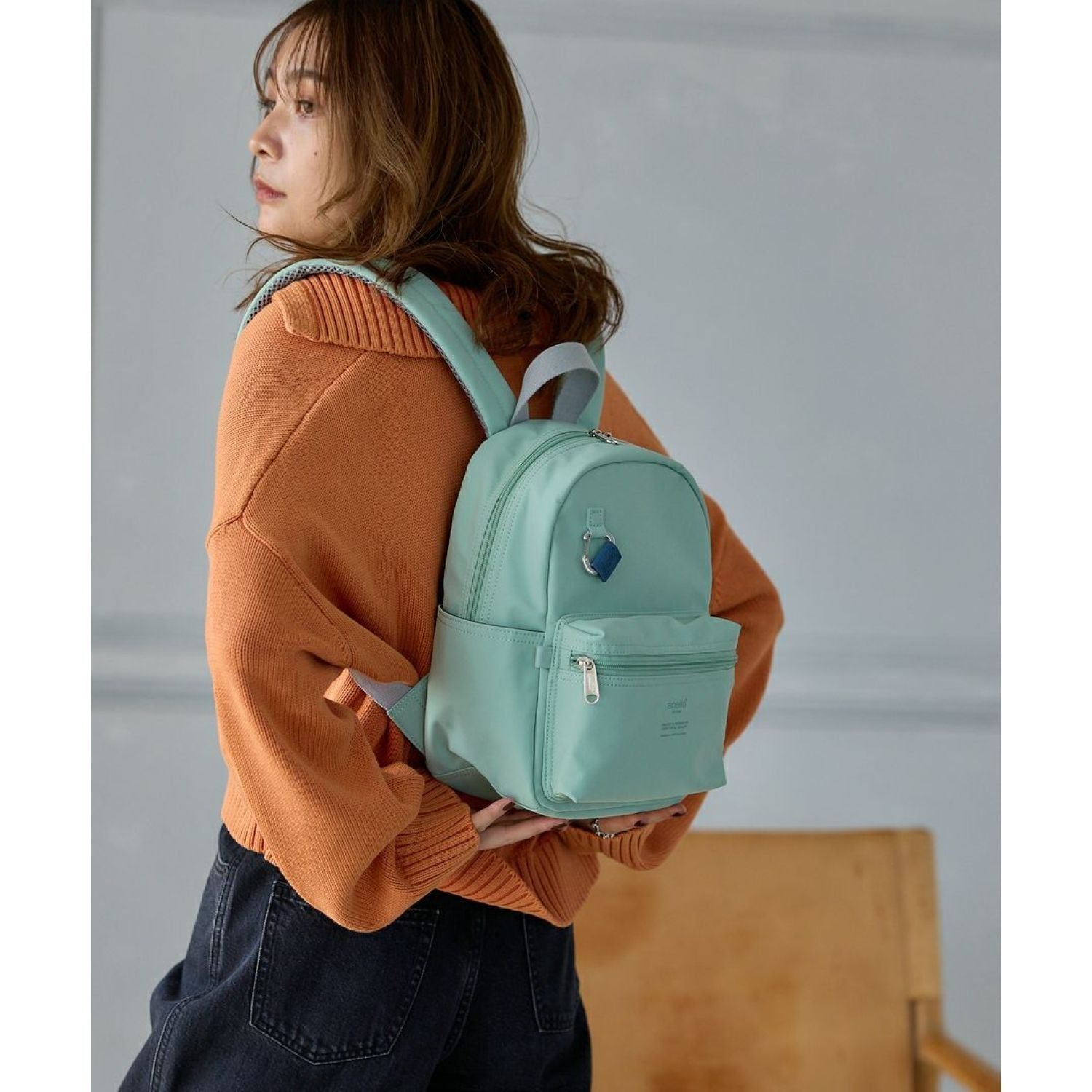
Can I buy a small backpack at a grocery store?
Yes, many large grocery stores carry basic small backpacks in their seasonal or school supply aisles. These are usually intended for light use; check the stitching at the strap attachment points to ensure they can hold the weight you plan to carry.
How long does a small backpack last?
About three to five years is the typical lifespan for a daily-use small backpack, depending on the quality of the fabric. You can check the manufacturer’s warranty page to see if they offer repair services for common issues like broken zippers.
Is it safe to buy a backpack from a third-party seller?
No, it’s often risky because third-party sellers may provide counterfeit goods that lack proper construction standards. You should always prefer buying from authorized retailers or the brand’s own website to guarantee you’re getting an original, tested product.
What happens if the backpack is too small?
You’ll likely find it difficult to close the main compartment or carry your essential items comfortably. If this happens, check the store’s return policy immediately to see if you can exchange it for a larger model before using it outside.
Does it matter if the backpack is waterproof?
Yes, it matters if you plan to carry electronics or paper documents during rainy weather. Check the product description for “water-resistant” or “waterproof” ratings; if it lacks these, you may need to purchase an additional rain cover separately.
How do I know if the size is right for me?
You can verify the fit by checking the bag’s dimensions against your torso length or the size of your specific laptop. Most manufacturer websites include a size guide or a “fit finder” tool to help you select the correct volume for your needs.
Final Thoughts
Before you head out to shop, take a moment to measure your laptop or daily essentials. This simple step ensures you won’t end up with something that doesn’t fit your gear. Once you’ve got those dimensions, you’ll be ready to pick a bag that’s perfect for your lifestyle and comfort.