
Selecting a bag with padded shoulder straps and a weight under 10% of your body mass is how to choose a backpack for school to prevent long-term back pain. If you carry heavy gear, prioritize structural support over aesthetic design choices.
How to choose a backpack for school
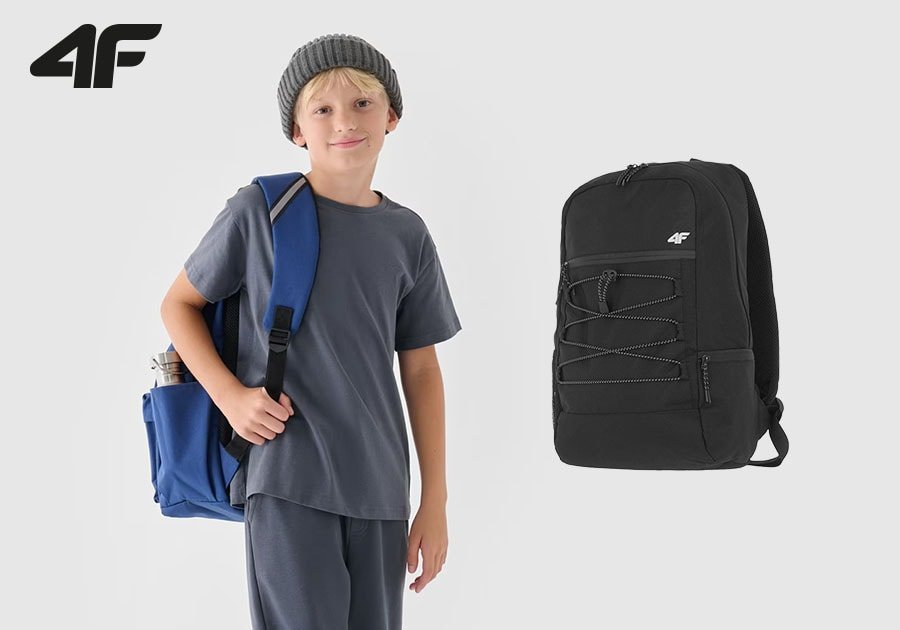
The right bag choice depends on your daily load and the distance you travel.
| Method | How long | Effort | Cost | Best for |
|---|---|---|---|---|
| Ergonomic Pack | Years | Low | High | Daily heavy use |
| Standard Daypack | 1-2 years | Low | Low | Light supplies |
| Rolling Backpack | 1-2 years | High | Medium | Heavy textbook loads |
Padded ergonomic frames
This method focuses on distributing weight evenly across the torso using specialized suspension systems.
- Adjust the shoulder straps until the bag sits against your upper back, not your lower back.
- Tighten the sternum strap to keep the shoulder straps from sliding outward.
- Fasten the waist belt, if available, to shift 60% of the weight to your hips.
- Load the heaviest items closest to your spine to maintain your center of gravity.
These bags offer the best protection for your spine, but they’re often bulkier than fashion-focused alternatives. If you don’t adjust the straps daily, you lose the ergonomic benefit.
Lightweight classic packs
Simple packs are best for students carrying only a laptop and a few notebooks.
- Choose a bag with fabric that resists water to protect your electronics from sudden rain.
- Check that the zippers move smoothly without catching on the inner lining.
- Organize small items into the front pocket to keep the main compartment balanced.
- Keep the total pack weight under 10% of your body weight, as recommended by the American Academy of Pediatrics.
These are easy to store in tight lockers and come in many styles. However, they lack the frame support needed for heavy textbooks.
Wheeled mobility bags
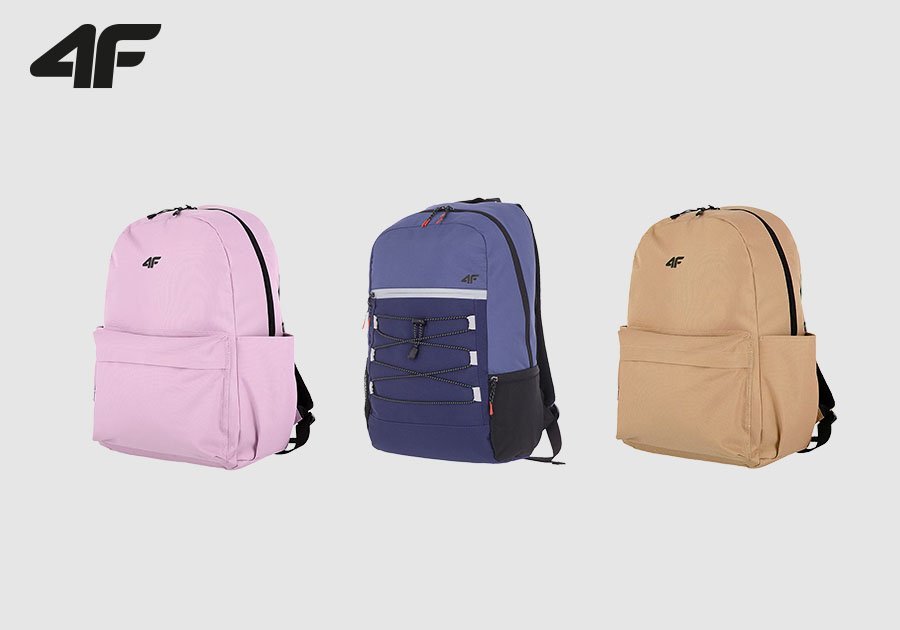
Rolling bags remove the burden from your shoulders entirely, making them ideal for students with medical restrictions.
- Extend the handle until it reaches your hip height to prevent awkward posture.
- Ensure the wheels are made of high-density rubber to minimize noise on tile floors.
- Lock the bag upright during breaks to prevent it from tipping over in crowds.
- Lift the bag by the handle when you encounter stairs to avoid damaging the frame.
These are excellent for reducing physical strain on your spine, but the rigid frame adds significant weight when you must carry it. They aren’t allowed in some classrooms due to their size.
Which one should you use?
Use a standard daypack if you’re in a hurry and only carry a few items. If you’re doing this for the first time, choose an ergonomic pack because it teaches you how to balance weight correctly. When you want the best possible result regardless of cost, invest in a high-quality ergonomic bag with a waist strap. The trade-off is simple: you either pay more now for a bag that protects your posture, or you pay later through physical discomfort caused by poor weight distribution and cheap materials.
The rules that apply whichever way you choose
Regardless of the model, you must check the weight limit on the manufacturer’s label; loading beyond this limit voids most warranties. Before your first day, load the bag and walk around for ten minutes to identify pressure points on your shoulders. If the bag digs into your skin, it’s the wrong size. Regularly clear out loose papers and trash to keep the weight down. Never carry the bag on one shoulder, as this creates an uneven load that causes muscle strain. If you experience persistent numbness, consult a medical professional immediately.
Frequently asked questions
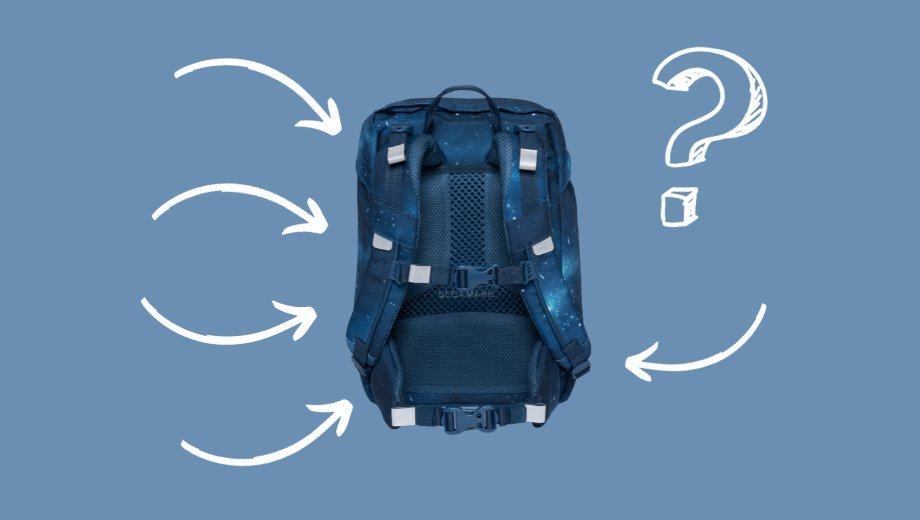
Can a heavy backpack cause long-term injury?
Yes, carrying a load that exceeds 10% of your body weight can lead to chronic neck, shoulder, and back pain. You should monitor the total weight of your supplies weekly to ensure you aren’t over-packing unnecessary items.
How long should a school backpack last?
A high-quality bag typically lasts two to three years of daily use before the zippers or fabric begin to degrade. This varies by model—check the label for durability ratings and warranty information provided by the specific manufacturer.
Is it safe to wear a backpack on one shoulder?
No, wearing your bag on one shoulder pulls your spine out of alignment and causes muscle tension. Always use both shoulder straps to distribute the weight evenly across your back and shoulders for better posture.
What happens if I overstuff my bag?
Overstuffing your bag puts excess stress on the seams and zippers, which leads to premature tearing. It also shifts the center of gravity, which forces you to lean forward and puts extra pressure on your lower back.
How do I know if the bag fits?
The bottom of the bag should never sit more than four inches below your waist. If the bag hangs lower than your hips, it’s likely too large for your torso and will cause discomfort while you walk.
Final Thoughts
Take your time testing a few options at the store before you commit. Put some books inside to see how the weight feels on your frame while you walk around. You’ll find that a comfortable fit makes every morning trek to class much easier, so don’t settle until you’re truly happy.