
When considering what is the best backpack for middle school, the most reliable choice is one with ergonomic straps and a 20 to 30-liter capacity. This provides a durable bag with padded support for a standard daily load of books and a laptop.
What is the best backpack for middle school?
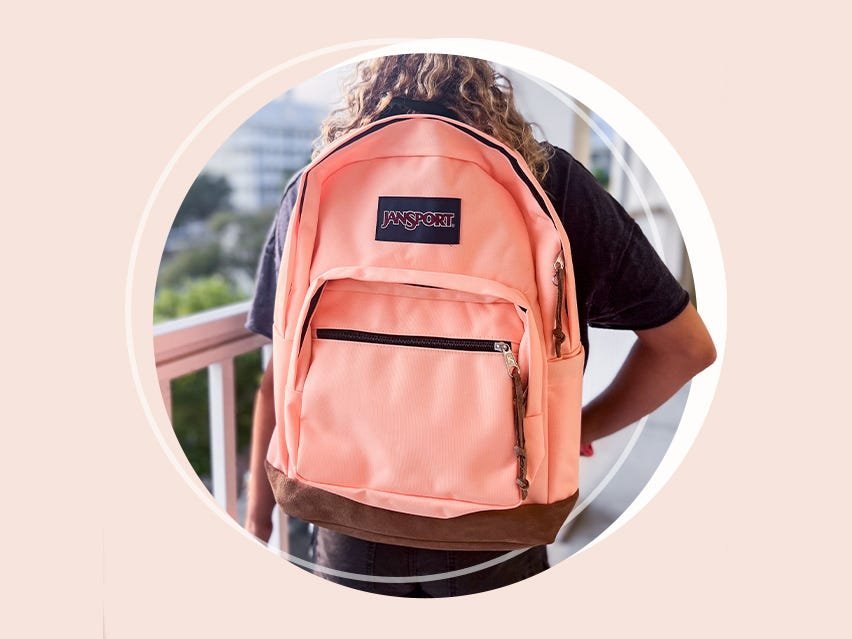
- Choose a bag with two wide, padded shoulder straps to distribute weight evenly across the back.
- Select a model with a dedicated internal sleeve to keep heavy textbooks close to the spine.
- Check that the bag weight, when empty, doesn’t exceed two pounds to avoid unnecessary strain.
- Ensure the bottom of the bag sits no more than four inches below the waistline.
- Pick water-resistant fabric to protect electronics from light rain or spills during transit.
- Verify the chest strap is adjustable to help stabilize the load during active movement.
Why weight distribution matters for students
Proper weight management is the primary factor in protecting a young student’s posture and preventing long-term back pain. When a heavy bag hangs too low or pulls the shoulders backward, the student instinctively hunches forward to compensate, which puts uneven pressure on the spine. A well-designed bag keeps the center of gravity near the body’s midline. The American Academy of Pediatrics emphasizes that a loaded backpack should never exceed ten to twenty percent of a child’s body weight. If the bag is too heavy, the student will struggle to maintain an upright position. If the bag lacks these details, you must rely on the “ten percent rule” by weighing the fully packed bag and comparing it to ten percent of the student’s body weight to ensure the load remains within safe limits.
When the answer is different

| Situation | What changes | What to do instead |
|---|---|---|
| Frequent rain | Fabric type | Choose coated nylon shells |
| Heavy laptop | Frame support | Use reinforced base panels |
| Tiny stature | Bag dimensions | Pick youth-specific shorter frames |
| High activity | Strap design | Use bags with sternum clips |
| Many supplies | Internal layout | Add modular mesh pouches |
How to do it properly
- Empty the bag completely and place your heaviest textbooks against the back panel to keep the weight centered near the spine.
- Slide the laptop into the dedicated sleeve, ensuring it’s secured with the internal strap so it doesn’t shift during walking.
- Put the backpack on using both shoulder straps; never carry the bag on one shoulder, as this causes significant muscle imbalance over time.
- Tighten the shoulder straps until the bag sits firmly against the back, ensuring the top of the bag is level with the shoulders.
- Fasten the chest strap if your model includes one, then adjust the length until the straps feel secure but not overly tight.
- Perform a quick check by bending forward; if the bag slides toward the neck or pulls you backward, re-tighten the shoulder straps immediately.
The mistakes that ruin it
- Wearing the bag on one shoulder creates uneven muscle tension that leads to chronic shoulder soreness.
- Allowing the bag to hang below the waistline forces the student to lean forward, which strains the lower back.
- Packing loose items at the bottom of the bag causes the weight to sag, making the bag feel much heavier.
- Ignoring the chest strap means the bag will bounce during movement, which increases the physical impact on the spine.
Frequently asked questions
Is it safe to carry a backpack all day?
Yes, it’s safe if the load stays under twenty percent of the student’s body weight and the straps are adjusted properly. If the student reports numbness or tingling in the arms, the straps are likely too tight or the load is excessive.
What happens if the bag is too large?
A bag that’s too large will hang below the waist, which shifts the center of gravity and causes back strain. Check the manufacturer’s height recommendations for your specific model to ensure the torso length matches the student’s frame.
Does it matter if the bag is waterproof?
It matters if the student carries a laptop or expensive electronic devices. Most standard backpacks are water-resistant, but they won’t survive heavy rain; if the student walks to school, look for a model with a built-in rain cover.
How long should a middle school backpack last?
A high-quality bag should last at least two school years if treated with basic care. Check the seams and zippers regularly; if you see fraying or the zipper teeth are misaligned, the bag may need a repair.
Can I wash the bag in a machine?
Most manufacturers advise against machine washing because it can damage the protective coating and the structure of the straps. Use a damp cloth and mild soap to spot-clean the fabric instead to preserve the bag’s integrity.
Why do some bags have a sternum strap?
The sternum strap helps keep the shoulder straps in place and prevents the bag from shifting side-to-side while walking. It’s especially useful for students who walk long distances or participate in extracurricular activities after school.
Final Thoughts
Picking the right bag is a great way to start the school year feeling organized and comfortable. Once you have a few options in mind, head to a local store to try them on with your gear inside. You’ll quickly see which one feels best, and you’ll be ready for anything.
Related guides