
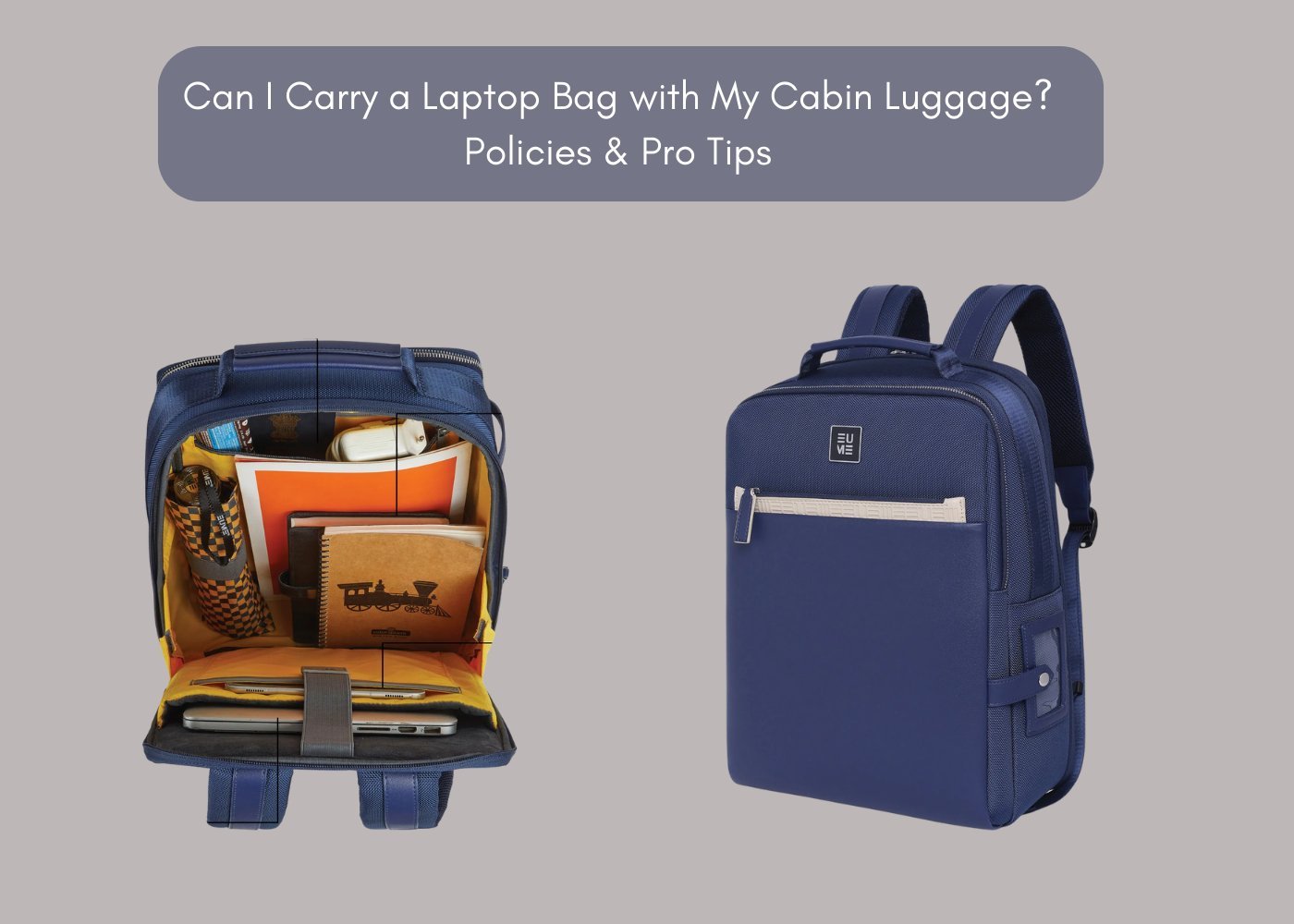
You should choose a backpack that can hold a laptop by matching the compartment size to your specific device dimensions, typically ranging from 13 to 17 inches. Ensure the bag features a dedicated, padded sleeve that keeps the computer suspended off the floor to prevent impact damage when you set it down.
Choosing a backpack that can hold a laptop
The most important factor is the internal sleeve size. If the sleeve is too small, your device won’t fit; if it’s too large, the device will shift during travel, risking screen cracks or housing dents. A common mistake people make is ignoring the depth of the bag. A thin bag might fit the screen size but fail to close if you carry a thick, older gaming laptop or a bulky protective hard case.
Packing your bag correctly
- Measure your laptop screen diagonally and compare it to the manufacturer’s listed compartment dimensions.
- Place the laptop into the sleeve with the hinge facing up or to the side to prevent the weight of the device from resting on the hinge mechanism.
- Secure the hook-and-loop strap over the top of the device to prevent it from sliding out if the bag tips over.
- Distribute heavy items like power bricks and chargers in the secondary pockets to keep the load balanced against your back.
- Check that the zippers clear the corners of the device before pulling them shut to avoid scratching the frame.
Tip: If you commute by bike, ensure the laptop compartment is at the back of the bag, closest to your body, to minimize vibration.
Tip: Avoid overstuffing the main compartment, as extreme pressure on the screen can cause internal display failure, a risk noted by Apple Support’s hardware care guidelines.
How long it takes
The time it takes to organize your gear depends on how many accessories you carry daily.
| Situation | How long | What changes it | What to watch for |
|---|---|---|---|
| Minimalist setup | 10 seconds | Fewer cables | Loose charging cords |
| Full workstation | 60 seconds | Multiple peripherals | Screen pressure points |
| Travel packing | 2 minutes | TSA requirements | Easy access points |
How to tell when it’s done
You know the laptop is stored safely when the device is flush against the back panel and the sleeve strap is firmly engaged. Ensure the bag is packed so that the weight is balanced, keeping the heaviest items closest to the back panel. If the zipper feels tight or requires force to pull around the corners, the bag is too small for your specific equipment. Don’t force the zip, as this often leads to broken teeth or frayed fabric along the seam.
Mistakes that ruin it
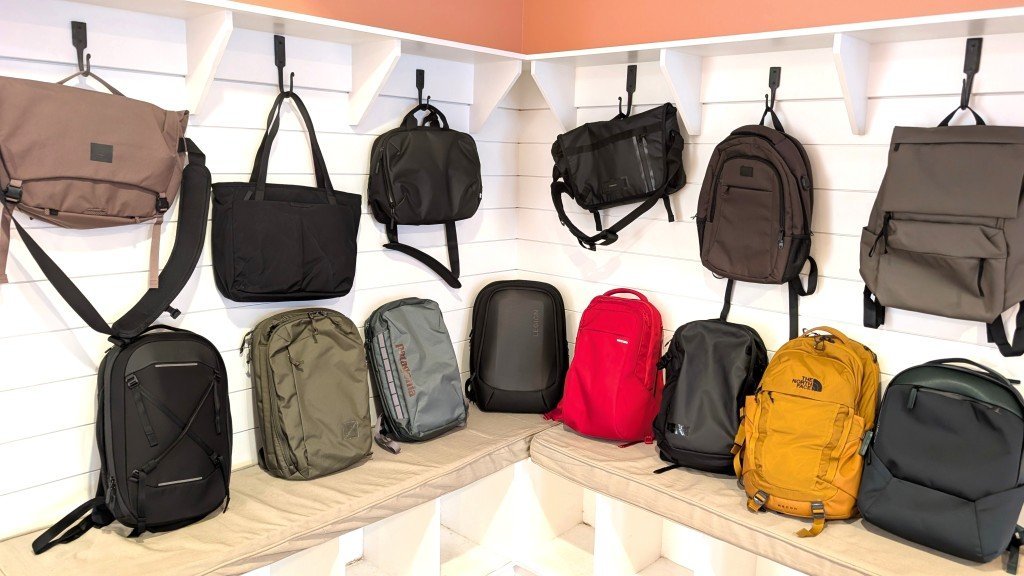
- Ignoring the base padding: Many bags have a thin bottom that allows the laptop to hit the ground hard. Choose a bag where the sleeve ends an inch above the bottom seam to provide a shock-absorbing buffer.
- Mixing liquids with electronics: Leaking water bottles destroy hardware quickly. Always keep your drink in an external side pocket, never inside the main compartment with your computer.
- Overloading the shoulder straps: Carrying too much weight causes the fabric to tear at the anchor points. If you carry more than 15 pounds of gear, use a bag with reinforced double-stitched webbing.
- Leaving the bag unzipped: A partially closed zipper is a recipe for a drop. Always verify the main compartment is fully sealed before you lift the handle.
Frequently asked questions
Can I put a 15-inch laptop in a 13-inch bag?
No, you can’t fit a 15-inch laptop into a 13-inch bag because the physical dimensions of the device will exceed the sleeve’s capacity. Attempting to force it will likely damage the zipper or put unnecessary pressure on the laptop’s display, which can lead to permanent screen distortion.
Is it safe to put a laptop in a backpack with books?
Yes, it’s safe if you use a dedicated, padded sleeve that separates the laptop from the rigid edges of your books. Without this barrier, the corners of heavy textbooks can press against the screen, causing pressure marks or cracks during your daily commute.
How long should a laptop backpack last?
A high-quality backpack usually lasts three to five years with daily use, depending on the material and the weight of your load. This varies by model—check the label for the manufacturer’s warranty, as some companies offer limited lifetime guarantees that cover zipper and strap failure.
What happens if I drop my backpack with a laptop inside?
If you drop a loaded backpack, the internal padding determines if the laptop survives the impact. If your bag lacks a “floating” sleeve design where the laptop stays off the ground, the force of the impact transfers directly to the device’s chassis, potentially cracking the internal components.
Can I take my laptop backpack on an airplane?
Yes, you can take your laptop backpack on an airplane as your personal item or carry-on luggage. Most airlines allow you to keep the laptop inside the bag during transit, but you must remove it for screening at security checkpoints unless you’re using a TSA-approved “checkpoint-friendly” bag design.
How do I clean my laptop backpack?
You should clean your backpack by hand using a damp cloth and mild soap to avoid damaging the internal padding or electronic protection layers. Never submerge the entire bag in a washing machine, as the agitation can warp the structural panels and weaken the water-resistant coatings on the fabric.
Final Thoughts
Once you’ve found the right fit, take a moment to test the weight distribution by walking around with your gear inside. It shouldn’t pull on your shoulders or feel awkward. You’ll be glad you checked the comfort level before heading out, as it’ll make your daily commute much easier to handle.
Related guides