
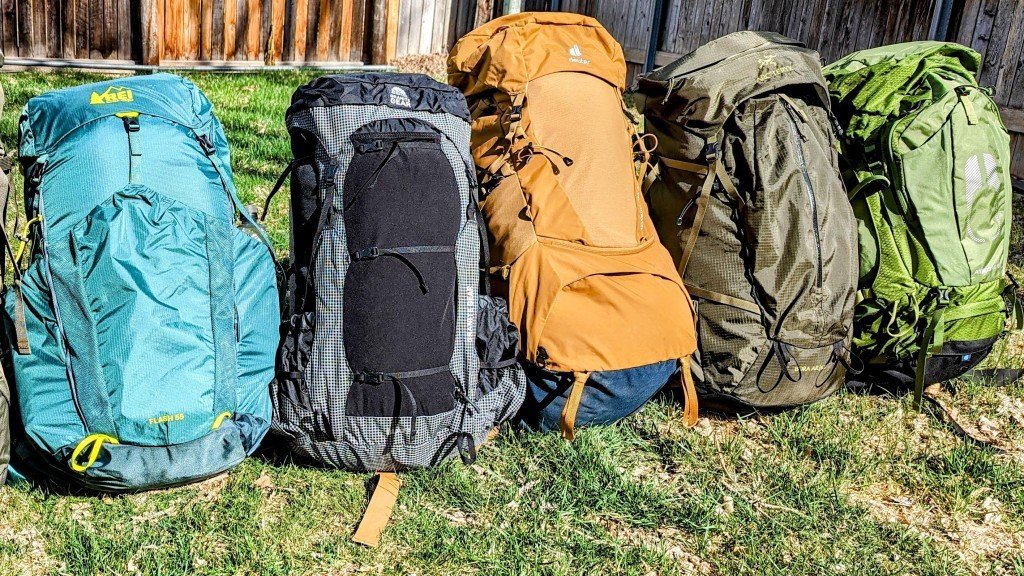
A backpack that is good for your back requires two wide, padded shoulder straps and a waist belt to shift weight off your spine. Ignoring these features risks muscle strain or long-term posture issues; always check the label for manufacturer-recommended weight limits.
Safe and not safe
| Situation | Safe? | Why |
|---|---|---|
| Dual strap use | Yes | Distributes load evenly |
| Single strap use | No | Causes uneven muscle strain |
| Overloaded bag | No | Increases spinal pressure |
| Waist belt usage | Yes | Transfers weight to hips |
| High position | Yes | Keeps center of gravity |
| Low hanging bag | With care | Pulls shoulders backward |
| Heavy laptop | With care | Requires proper compartment |
What the risk actually is
Carrying an improperly fitted bag causes significant strain on your trapezius muscles and lumbar spine, which can lead to chronic neck or back pain. When a bag is too heavy or hangs too low, it forces the body to lean forward to compensate, which changes your natural gait and increases pressure on your spinal discs. According to the American Academy of Pediatrics, children and adults alike should avoid carrying more than ten to twenty percent of their body weight to prevent these injuries. This limit is critical because exceeding it forces your muscles to work harder than they were designed for, leading to fatigue and poor posture. If you notice persistent tingling or numbness in your arms while wearing your bag, this indicates nerve compression that requires immediate attention from a medical professional. Always check the manufacturer’s manual for specific capacity ratings before loading your gear.
The signs to stop immediately
- Visible redness on your shoulders—this means the straps are digging in.
- Numbness in your hands—this indicates pinched nerves from tight straps.
- Constant forward slouching—your bag is pulling you off balance.
- Sharp pain in the lower back—the weight isn’t distributed correctly.
- Strap fraying or broken clips—the mechanical failure could cause a sudden drop.
If you experience sharp pain that doesn’t resolve after removing the bag, see a doctor.
Choosing a backpack that is good for your back
- Place the heaviest items closest to your back to keep the center of gravity near your body.
- Adjust the shoulder straps so the bag sits at least two inches above your waistline for even weight distribution.
- Tighten the waist belt to ensure that a significant portion of the weight rests on your hips, not your shoulders.
- Use both straps every time; wearing it over one shoulder creates an asymmetric load that twists your entire spine.
- Tighten all compression straps on the sides to stop the contents from shifting while you’re in motion.
If it has already happened
If you feel muscle soreness, remove the bag and lie flat on a firm surface to let your spine decompress. Apply a cold compress to the painful area for fifteen minutes to reduce inflammation. If the pain persists beyond twenty-four hours or if you feel radiating pain down your legs, stop all heavy lifting and consult a physical therapist. Don’t attempt to “stretch out” severe pain, as this can worsen a potential strain. Professional guidance is necessary if you suspect a disc issue or chronic nerve irritation, as these require specific clinical treatment plans.
Frequently asked questions
Photo: spinehealth.org on Google
Can a heavy backpack cause permanent damage?
Yes, chronic strain from an improperly fitted bag can lead to long-term postural changes or disc issues. If you notice persistent pain, you should see a doctor to ensure you haven’t caused lasting damage to your spinal alignment or muscle groups.
How long should I wear a backpack?
Is it safe to carry a backpack on one shoulder?
No, carrying a bag on one shoulder forces your spine to curve to compensate for the weight. This uneven distribution creates significant muscle imbalances and increases the risk of shoulder pain, which can eventually lead to more serious orthopedic concerns over time.
What happens if the straps are too thin?
Thin straps concentrate all the bag’s weight onto a very small area of your shoulders. This pressure can cut off circulation and irritate the nerves that run into your arms, which often results in tingling sensations or temporary numbness while you walk.
Does the material of the backpack matter?
Yes, the material and padding density change how the weight is distributed across your frame. Always look for breathable, high-density foam padding that keeps the bag’s shape, as soft or cheap materials will collapse and fail to support your back during daily use.
How do I know if my backpack is too heavy?
If you can’t stand up straight without leaning forward, your bag is too heavy. The total weight should never exceed twenty percent of your body weight; if you must carry more, use a wheeled bag to remove the strain from your spine entirely.
Final Thoughts
Investing in the right gear makes your daily commute or weekend hike feel much lighter. Before you make your final purchase, visit a local shop to try on a few models with some weight inside. You’ll quickly feel the difference, and your body will definitely thank you for the extra care.