
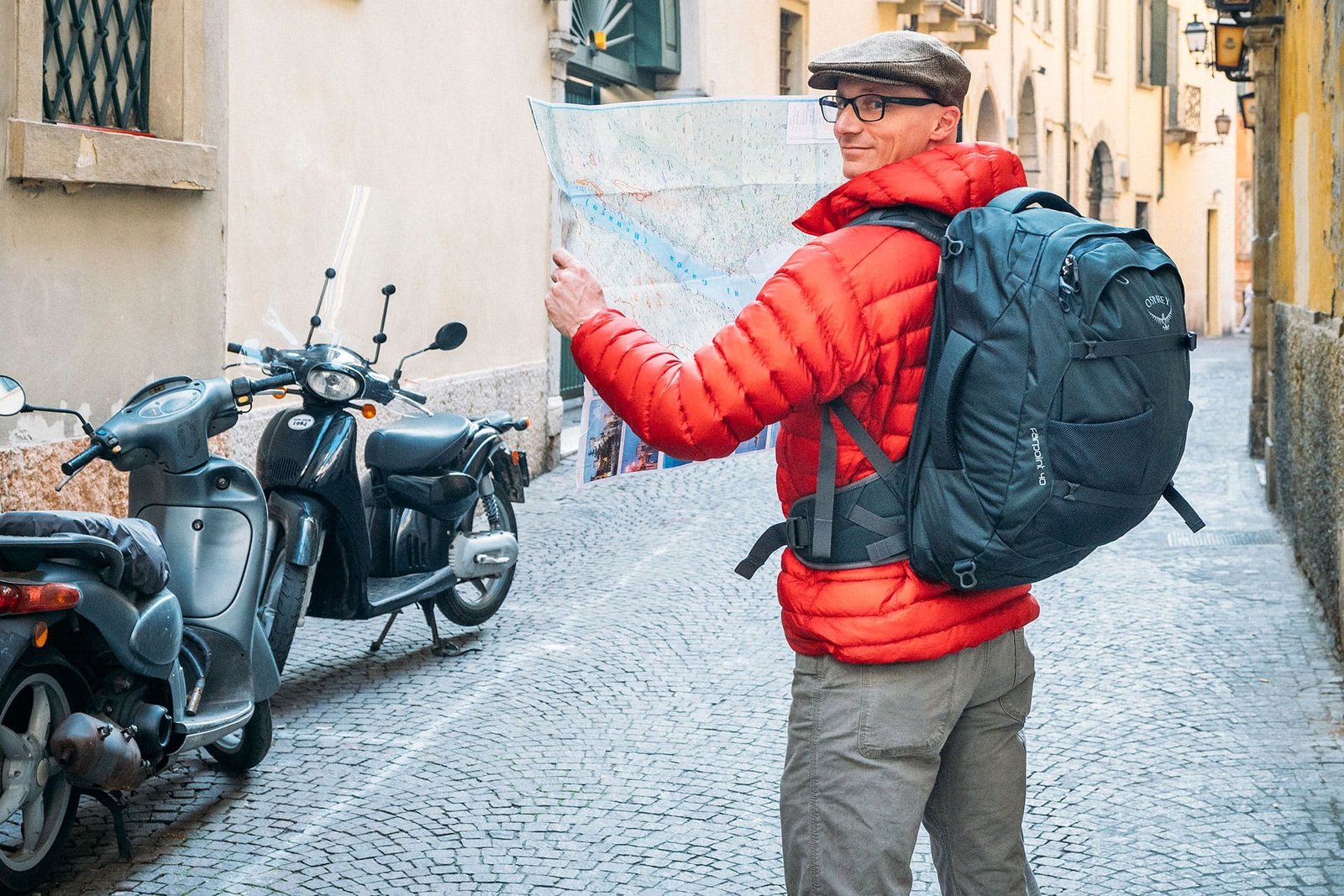
If you are asking what is best backpack for traveling, the Osprey Farpoint 40 is the top choice for its balance of carry-on compliance and comfort. This assumes you fly major airlines; for regional carriers, check if the dimensions fit their specific overhead bins.
What is best backpack for traveling: A Quick Guide

- Choose a 40-liter capacity to meet most international carry-on requirements.
- Pick a panel-loading bag for easier access than a top-loading design.
- Look for an internal frame to shift weight from your shoulders to hips.
- Ensure the harness stows away if you plan to check the bag occasionally.
- Measure your torso length to match the manufacturer’s recommended sizing chart.
- Verify the weight of the empty bag remains under 3 pounds for easier lifting.
Why the right frame matters
Choosing the right pack depends on how the internal frame interacts with your body. A proper frame doesn’t just hold the shape of the bag; it acts as a lever to move weight from the soft tissues of your shoulders to the stronger muscles of your hips. If the frame is too long for your torso, the weight will pull you backward, causing neck strain. If it’s too short, the hip belt will sit on your stomach rather than your pelvic bone. The TSA carry-on size rules provide the baseline for dimensions, but comfort is entirely about the fit of the harness. You can test this by loading the bag with 15 pounds of gear and walking for 20 minutes. If the weight feels centered over your hips and your shoulders feel light, the pack is adjusted correctly for your frame. This varies by model — check the label for the specific torso range it supports.
When the answer is different
| Situation | What changes | What to do instead |
|---|---|---|
| Extended camping | Need more volume | Use a 60-liter internal frame |
| Business trips | Need laptop protection | Choose a dedicated tech compartment |
| Short weekend | Need less weight | Use a 25-liter daypack |
| Rainy climates | Need dry gear | Use a waterproof rain cover |
| Budget airlines | Strict size limits | Verify exact centimeter measurements |
How to do it properly
- Loosen all straps on the backpack before putting it on your back for the first time.
- Place the hip belt over your pelvic bone and tighten the webbing until it feels snug and secure.
- Pull the shoulder straps down until they sit flush against your back without creating any painful pressure points.
- Adjust the sternum strap to the middle of your chest to keep the shoulder straps from sliding outward.
- Tighten the load lifter straps on top of the shoulders to bring the pack weight closer to your back.
- Check the mirror to ensure the back panel covers the length of your spine from shoulders to hips.
The mistakes that ruin it
Buying a bag based on looks instead of torso fit is the most common error. If the harness doesn’t match your spine length, the center of gravity shifts, leading to chronic back pain within minutes of walking. Always measure from your C7 vertebrae to your iliac crest.
Overpacking beyond the 50-pound airline limit forces a gate check. This leaves your expensive gear vulnerable to rough handling and potential theft. If your bag feels heavy before you leave, weigh it on a bathroom scale.
External gear hanging off the bag creates a snag hazard in tight transit corridors. If you must attach items, use compression straps to pull the load tight against the frame.
Finally, ignoring the hip belt forces your shoulders to carry the entire load. This causes nerve compression and fatigue. If the belt sits above your hip bones, you’re losing 80% of the bag’s intended weight distribution.
Frequently asked questions
Can I use a hiking pack for city travel?
Yes, you can, but it’s often less convenient. Hiking packs are usually top-loading, which makes finding your clothes difficult in a hotel room. If you choose this route, use packing cubes to organize your gear inside the main compartment.
How long should a travel backpack last?
About 5 to 10 years is standard for high-quality nylon packs. This assumes you use the bag for two or three trips per year and store it in a cool, dry place away from direct sunlight when not in use.
Is it safe to lock my backpack zippers?
Yes, it’s safe, but use TSA-approved locks so security can open them if needed. This prevents opportunistic theft in crowded areas. Always check that the locks don’t interfere with the zipper pullers during transit to avoid damage.
What happens if the bag is too large?
You’ll likely be forced to check the bag at the gate if it exceeds airline dimensions. This costs money and risks damage to your straps. Always measure your bag while it’s fully packed to get an accurate reading.
Does it matter if the bag is waterproof?
No, it doesn’t need to be fully waterproof, but it should be water-resistant. Most high-end bags are made of durable, treated nylon. If you travel to very wet areas, buy a separate rain cover to keep your gear dry.
How much weight is too much to carry?
About 20 percent of your body weight is the maximum recommended limit for comfortable walking. If you weigh 150 pounds, aim for a pack weight of 30 pounds or less. This keeps your center of gravity stable while moving.
Final Thoughts
Choosing the right gear shouldn’t feel like a chore, so trust your instincts when you head to the store. Try on a few different packs with some weight inside to see how they really feel on your shoulders. You’ll be much happier once you’ve found the perfect fit for your next big adventure.