
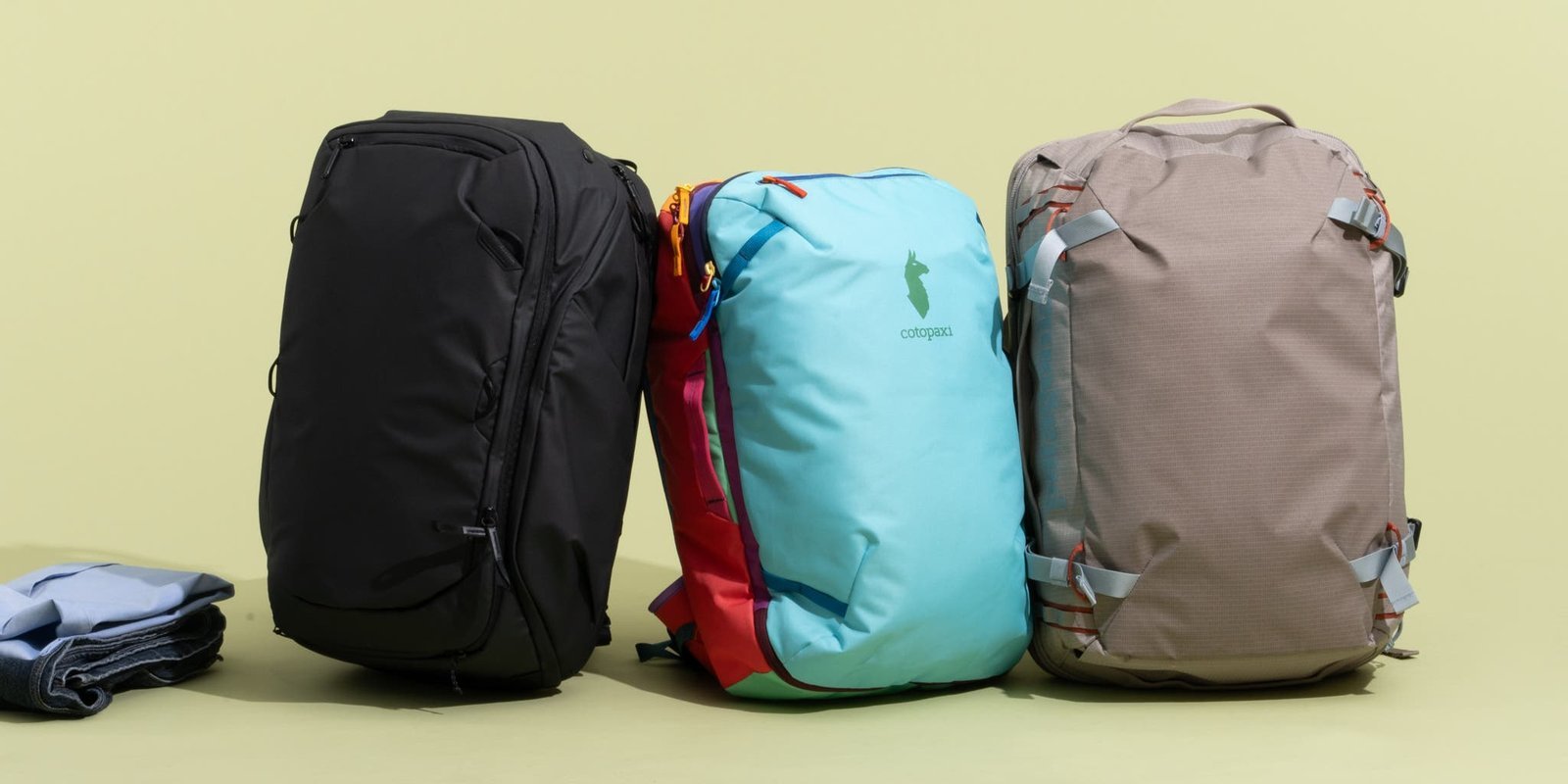
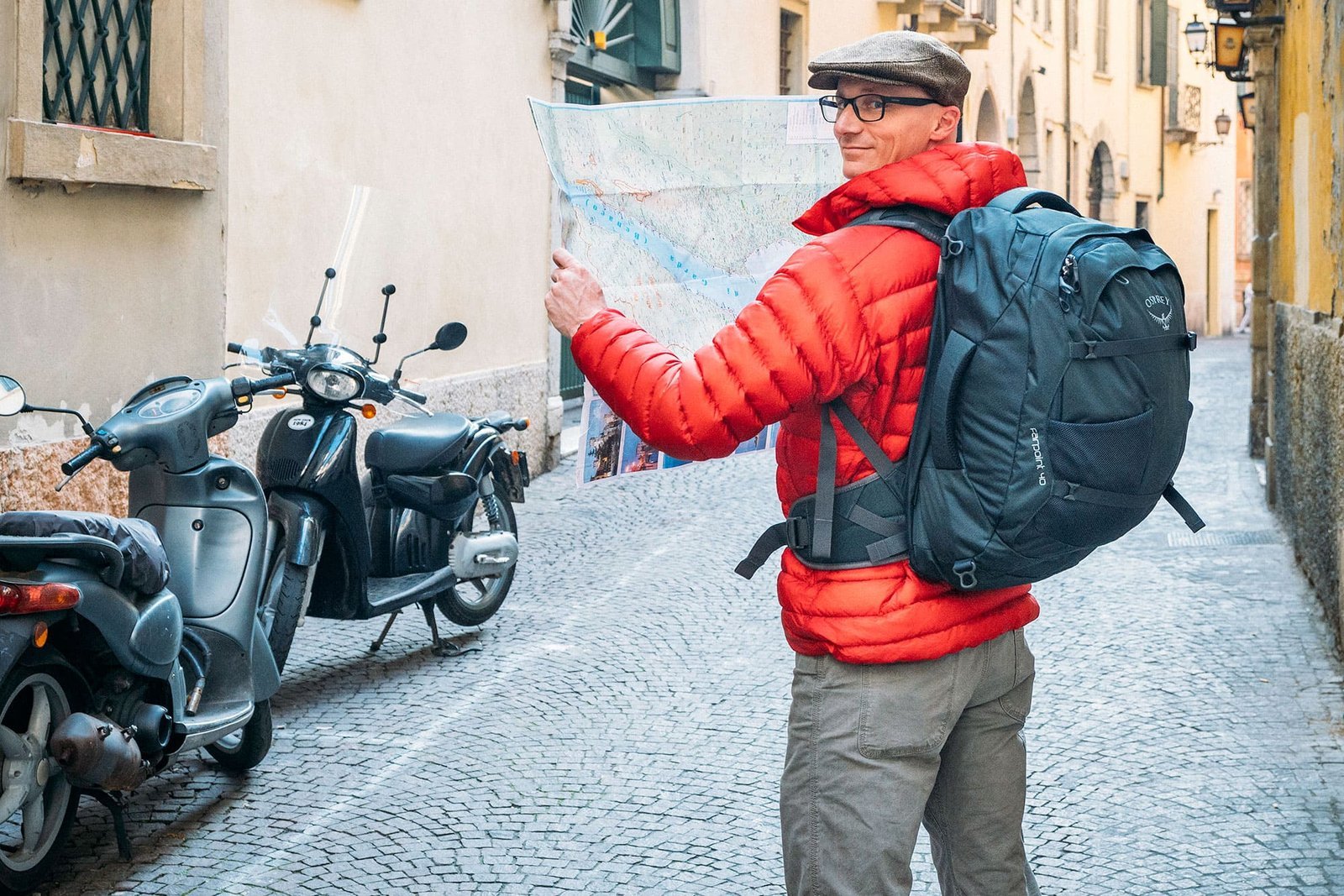
The Osprey Farpoint 40 is the best backpack for traveling because it combines a comfortable internal frame with carry-on compatibility for most airlines. You’ll find that this bag balances weight distribution and storage space for trips lasting one week to one month.
What is best backpack for traveling: Key features to look for

- Look for a capacity between 35 and 45 liters to meet standard airline overhead bin requirements.
- Choose a bag with a stowable harness to protect straps when checking it on smaller planes.
- Ensure the back panel offers breathable mesh to prevent excessive sweating during long walks in heat.
- Pick a model with internal compression straps to keep your clothes from shifting during your transit.
- Verify the zippers include lockable loops to keep your gear secure in crowded public transport hubs.
- Check that the total weight of the empty bag is under three pounds to maximize your allowance.
Why capacity and fit matter
Selecting the right bag depends on how you move through airports and city streets. A pack that’s too large forces you to check your luggage, which increases the risk of lost items and wait times at baggage claim. The Transportation Security Administration guidelines for carry-on items dictate that your bag must fit easily into the sizing bin at the checkpoint. A 40-liter pack is the sweet spot because it fits the maximum allowed dimensions while remaining light enough to carry for hours. If you choose a bag with a rigid frame, it provides better weight transfer to your hips, which reduces strain on your shoulders. Always check the label or the official manufacturer site for the exact dimensions, as these vary by model and region. A pack that doesn’t match your torso length will pull your center of gravity backward, causing fatigue after even short walks to your hotel.
When the answer is different
| Situation | What changes | What to do instead |
|---|---|---|
| Long-term trekking | Frame support needs | Get a dedicated hiking pack |
| Business trips | Professional appearance | Choose a leather or sleek shell |
| Cold climates | Bulkier clothing | Use a 50-liter capacity bag |
| Short weekend trips | Weight requirement | Use a 25-liter daypack |
| Strict budget | Material durability | Look for polyester over nylon |
How to pack your bag properly
- Place heavy items like shoes or extra gear at the bottom of the main compartment to keep the weight centered.
- Use packing cubes to compress soft clothing, which saves space and keeps your items organized during your entire trip.
- Store your liquids in a clear, quart-sized bag at the very top of your pack for quick access at security.
- Tighten the external compression straps once your bag is full to pull the load closer to your back for balance.
- Check that no loose straps are hanging off the bag before you enter the airport to prevent them from catching.
- Test the weight by walking around your home for ten minutes; if your shoulders ache, redistribute the heavy items again.
The mistakes that ruin it
- Overpacking the front pockets creates a bulky shape that might exceed airline size limits for carry-on bags.
- Ignoring the torso adjustment straps causes the bag to sag, which ruins the comfort of the internal frame.
- Leaving sharp objects in the outer pockets makes you an easy target for theft in busy transit areas.
- Failing to stow your shoulder straps before checking the bag can lead to the buckles snapping off.
Frequently asked questions
Can I take a 50-liter bag on a plane?
No, most airlines consider a 50-liter bag too large for carry-on limits. You should check the airline website for their specific overhead bin dimensions, as they usually restrict bags to roughly 22 by 14 by 9 inches for standard international flights.
Is it safe to lock my backpack zippers?
Yes, using a TSA-approved lock is safe and recommended to prevent opportunistic theft. These locks allow security agents to open your bag for inspection without breaking the zipper or the lock mechanism itself, keeping your gear secure throughout your travels.
How long should a travel backpack last?
A high-quality travel backpack should last five to ten years with regular use. The lifespan depends on the quality of the zippers and the thickness of the fabric, so check the manufacturer warranty on their official page to see their repair policy.
What happens if my bag is too heavy?
You’ll likely be forced to check your bag at the gate if it exceeds the weight limit. Most airlines allow 15 to 22 pounds for carry-ons, so verify your specific airline policy before you arrive at the airport to avoid surprise fees.
Does it matter if the bag is waterproof?
Yes, it matters if you travel to places with heavy rain. Most bags are water-resistant, but they aren’t fully waterproof; you should use a separate rain cover if you plan to walk outside for long periods during a storm.
How do I measure my torso for a pack?
You measure from the base of your neck to the top of your hip bone. Use a soft tape measure while standing straight, as this length determines the correct size of the frame you need for the best weight distribution.
Backpack traveling, in short
Choosing the right gear is the first step toward a stress-free trip. By focusing on size, comfort, and durability, you ensure your bag supports your journey rather than holding you back. Always test your pack fully loaded before you leave to make sure it feels right on your back.