
If you are asking what is the best small backpack, the Osprey Daylite is our top choice for most commuters due to its lightweight build and supportive back panel. This recommendation assumes a 13-liter capacity; if you need more space, consider the 20-liter models.
What is the best small backpack for you?
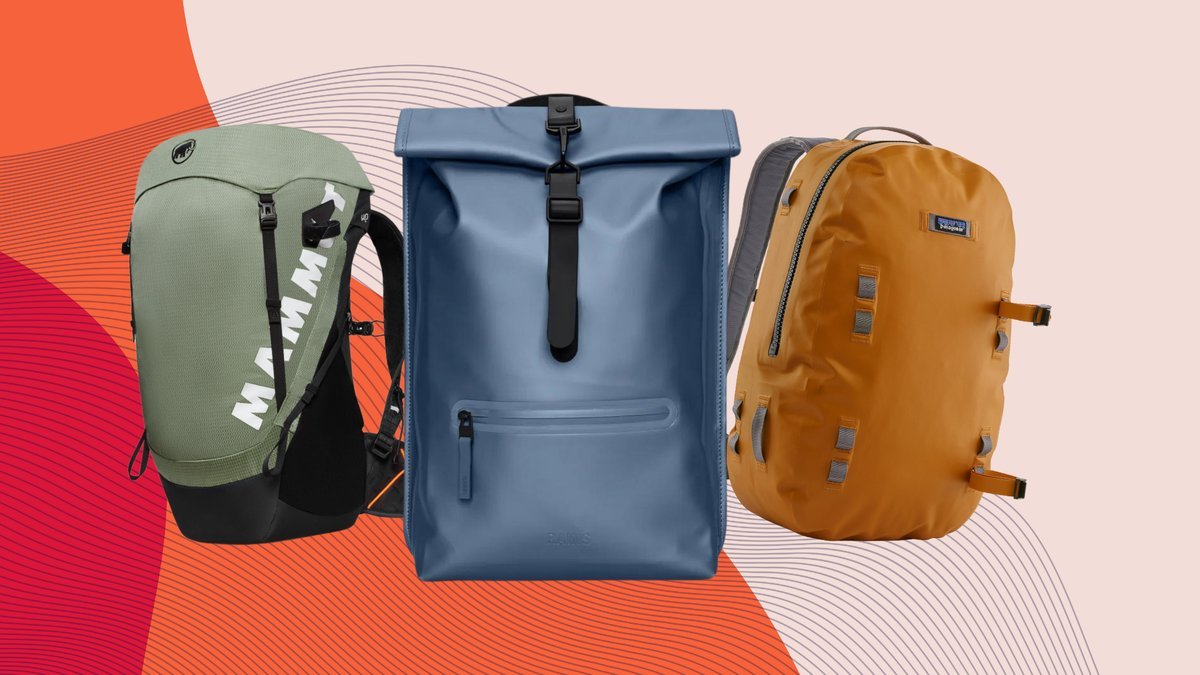
- Choose a 10 to 15-liter bag for quick errands, or 18 to 25 liters for office gear.
- Look for a contoured shoulder strap design to distribute weight evenly across your collarbones.
- Check that the fabric has a water-resistant coating, as most standard nylon packs absorb moisture quickly.
- Ensure the chest strap is adjustable; this prevents the pack from swaying while you walk or cycle.
- If you carry a laptop, confirm the sleeve is elevated from the floor of the bag to prevent impact damage.
Why size and fit determine comfort
The design of a small pack relies on keeping the center of gravity close to your spine. When a backpack is too large for your frame or hangs too low, it pulls your shoulders backward, causing muscle strain over long periods. A properly fitted small pack should sit between your shoulder blades and your waist. The internal frame or stiffened back panel serves to maintain this shape so the contents don’t sag or poke into your back.
You can verify the recommended weight limits and ergonomic standards for load-bearing equipment through the Occupational Safety and Health Administration guidelines on workstation and equipment setup. These principles apply to how you carry gear on your back as well. If you’re uncertain about the specific capacity of a model, look for the internal label or the manufacturer’s specification sheet. This varies by model — check the label to see if the bag is rated for heavy electronics or only light soft goods.
When the answer is different
| Situation | What changes | What to do instead |
|---|---|---|
| Heavy rain | Water resistance | Use a dedicated rain cover |
| Tech storage | Impact protection | Choose a padded laptop sleeve |
| Frequent travel | Size limits | Check airline carry-on dimensions |
| Hiking | Ventilation | Select a suspended mesh back |
| Heavy loads | Weight distribution | Use a model with waist belts |
How to do it properly
- Empty the bag completely to locate the base of the back panel, which shows the intended shape and structure of the pack.
- Adjust the shoulder straps until the top of the pack sits level with your shoulders, ensuring it doesn’t pull your torso backward.
- Tighten the chest strap until it’s snug but not restrictive, which prevents the shoulder straps from sliding off your frame while moving.
- Place your heaviest items, such as a laptop or thick books, closest to the back panel to keep the weight centered properly.
- Check the load balance by leaning forward slightly; if the bag shifts significantly, re-center the items and tighten the side compression straps.
- Test the fit by walking for five minutes, ensuring the bottom of the bag doesn’t hit your lower back or hips.
The mistakes that ruin it
- Overloading the pack beyond its volume limit causes the zippers to fail and the seams to rip under pressure.
- Carrying the bag on one shoulder creates uneven muscle tension, which leads to chronic neck and back discomfort over time.
- Ignoring the weight of the empty bag makes it harder to carry gear, as some rugged packs weigh two pounds before you start.
- Neglecting to use the compression straps allows items to bounce around, which can break fragile objects inside your bag.
Frequently asked questions
Photo: ardencove.com on Google
Can I use a small backpack for hiking?
Yes, you can use a small backpack for short hikes, provided it has a ventilated back panel to prevent sweat buildup. This assumes you’re carrying less than ten pounds of gear; for longer treks, you’ll need a pack with a proper waist belt.
How long should a small backpack last?
A high-quality small pack used for daily commuting typically lasts for several years. This varies by model — check the label for the specific material strength, as thinner fabrics will show wear much faster than heavy-duty nylon.
Is it safe to machine wash my backpack?
No, you should avoid machine washing, as the agitator can destroy the structural foam and water-resistant coatings on the fabric. You should instead use a damp cloth and mild soap to spot-clean the exterior, then air dry it completely in a shaded area.
What happens if the zipper sticks?
A stuck zipper is usually caused by fabric getting caught in the teeth or a buildup of dirt in the slider. You can fix this by gently pulling the fabric away and using a graphite pencil to lubricate the teeth if they’re dry.
Does it matter if the bag is waterproof?
Yes, it matters if you carry electronics, as most “water-resistant” packs will leak during heavy rain. If you live in a wet climate, you should treat your bag with a spray-on repellent or keep a waterproof dry bag inside for your laptop.
Why does my back hurt after wearing my bag?
Your back pain is likely caused by the bag sitting too low on your torso or an uneven distribution of weight. You should try tightening the shoulder straps until the pack is high on your back and ensuring your heaviest items are at the bottom.
Final Thoughts
Choosing the right bag comes down to how you move through your day. Once you decide what you truly need to carry, head to a local outdoor shop to try a few options on. You’ll quickly see which one feels most comfortable, and you won’t have to worry about regrets later.