
Yes, it’s true that a backpack can be carry on luggage as long as it fits within the airline’s size and weight limits.
Carry on backpack size and weight limits
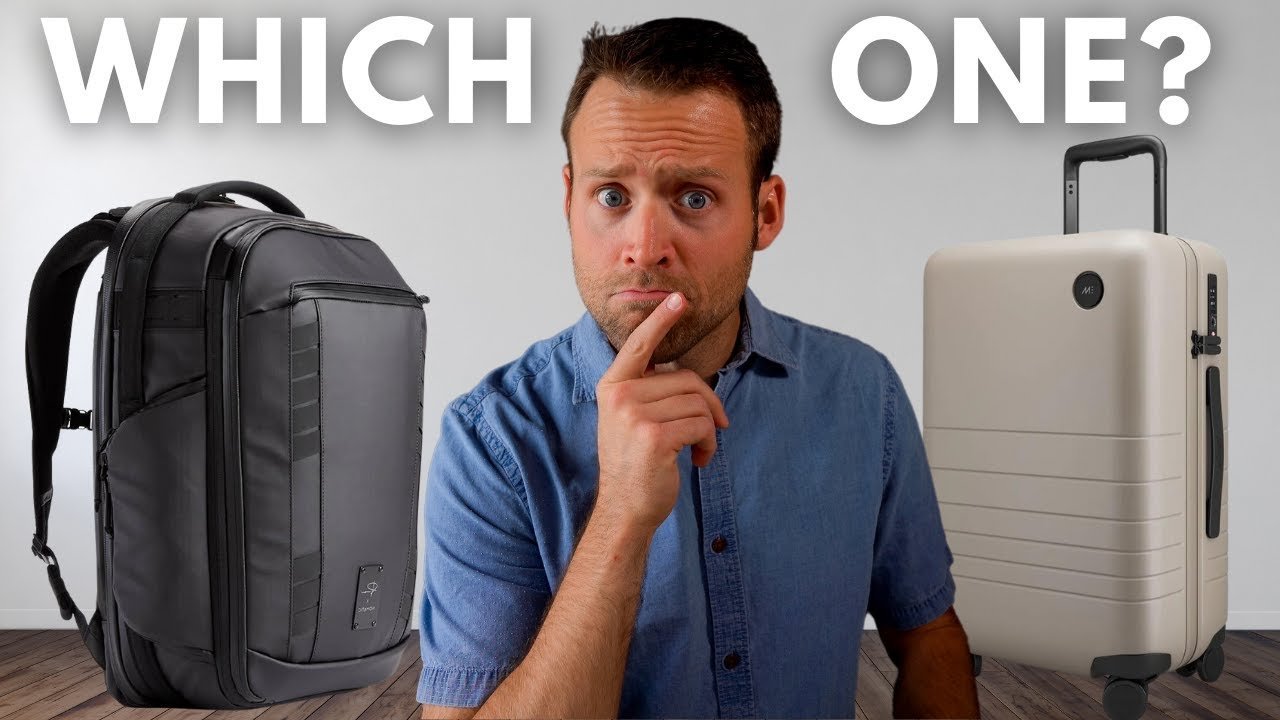
Most airlines allow one personal item and one carry-on bag, but the maximum dimensions change based on the company. You must verify these limits on the official airline website, as they aren’t standard across the industry. The following table shows typical limits you might encounter, though you should confirm your specific flight details first.
| Airline Class | Typical Size Limit | Weight Limit |
|---|---|---|
| Major US Carriers | 22 x 14 x 9 inches | None (must fit bin) |
| Budget Airlines | 18 x 14 x 8 inches | 15 to 22 pounds |
| International Carriers | 21 x 15 x 9 inches | 15 to 22 pounds |
| Personal Item | 17 x 10 x 9 inches | N/A |
If your bag is too large, you’ll likely be forced to check it at the gate for a fee. If you’re flying with a budget carrier, they often weigh bags at the counter; for major airlines, they usually only care if you can lift it into the overhead bin yourself.
What decides if your bag fits
The primary factor is the total volume of your backpack when it’s stuffed to capacity. Airlines define carry-on bags by their external dimensions, including wheels and handles if the bag has them. If you overstuff a soft-sided backpack, it might bulge beyond the allowed dimensions and fail a size check at the gate.
Another factor is the type of ticket you purchased. Basic economy fares on some airlines restrict you to only a personal item that fits under the seat in front of you. TSA carry-on baggage guidelines provide the security perspective on what items are allowed inside your backpack. If your bag is within the dimensions, then it’s allowed; if it exceeds them, then you must pay to check it.
Steps to pack for the cabin
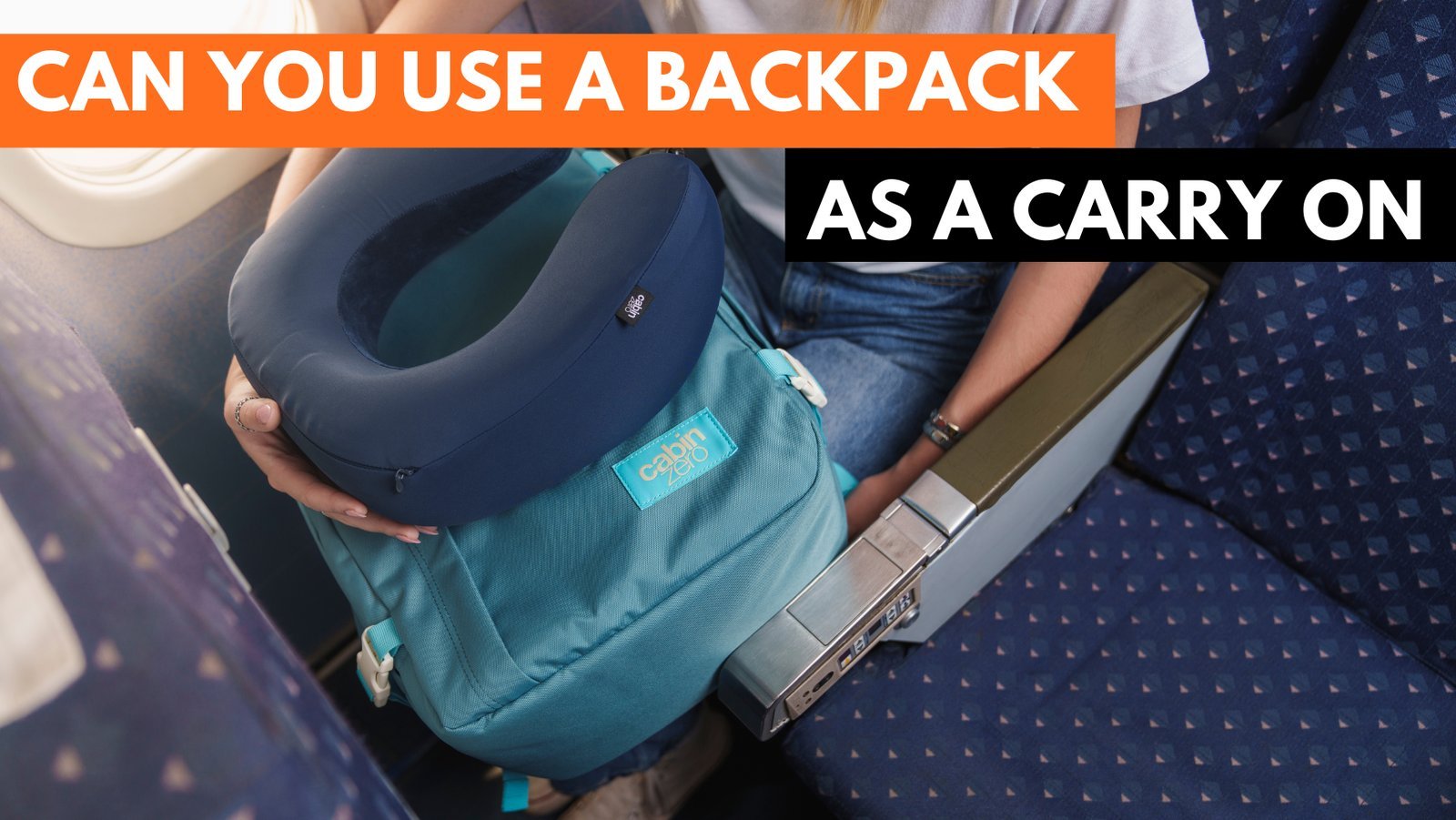
- Measure your empty backpack using a tape measure to ensure the frame or base is within the airline’s limit.
- Pack your heaviest items at the bottom of the bag to keep the center of gravity low and make the bag easier to lift.
- Use compression cubes to reduce the total volume of your clothing so the backpack doesn’t bulge beyond the allowed depth.
- Place liquids in a clear bag at the very top of your backpack so you can quickly remove them during security screening.
- Test the fit by placing the packed bag into a standard airline sizer box at the airport before you reach the security checkpoint.
The mistake people make
The most common mistake is assuming that a “travel backpack” is automatically allowed as a carry-on just because it’s marketed as one. This error often costs travelers a gate-check fee, which is frequently higher than a standard checked bag fee. To avoid this, always measure your bag while it’s fully packed, not while it’s empty. If your bag is soft-sided, ensure it isn’t so full that it becomes rigid, as you need it to compress slightly if the overhead bins are tight.
When to stop and get help
- If the internal frame of your backpack is wider than the allowed dimensions, you can’t force it into the bin.
- If you have medical equipment that exceeds standard size limits, you must contact the airline’s special assistance desk before you arrive.
- If your bag contains prohibited items, you’ll be stopped by security and must surrender them or leave the checkpoint.
These situations require professional airline staff to resolve, as they have the authority to issue exceptions or gate-check your luggage safely.
Frequently asked questions
Photo: www.nytimes.com on Google
Can I bring a hiking backpack as a carry-on?
Yes, you can bring a hiking backpack if its frame is within the airline’s maximum dimensions. You must remove any external gear like trekking poles, as these are often restricted at security checkpoints.
How much does a carry-on backpack usually weigh?
Most airlines don’t have a weight limit for carry-ons on domestic US flights, but international carriers often cap them at 15 to 22 pounds. Check your ticket confirmation for the specific limit.
Is it safe to put a laptop in my backpack?
Yes, it’s safe if you use a padded sleeve inside your bag to protect it from impacts. You must remove the laptop from your backpack for separate screening at the security checkpoint.
What happens if my backpack is too big?
If your backpack is too big, the airline will require you to check it at the gate. You’ll likely have to pay a fee, which can be significantly higher than a pre-booked checked bag.
Does it matter if my backpack has wheels?
Yes, it matters because airlines measure the wheels as part of the total length of the bag. If the wheels push your bag over the allowed dimensions, it won’t be accepted as a carry-on.
How long does it take to get through security with a backpack?
It takes about 10 to 20 minutes on average, though this varies based on the number of electronic devices you carry. Ensure your laptop and liquids are easily accessible to keep your transit time low.
Conclusion
Start by measuring your backpack’s height, width, and depth while it’s fully packed. If it fits within the airline’s stated dimensions, you should expect a smooth boarding process. If the bag feels too heavy or rigid to fit the sizer, stop and check it before you reach the gate.