
Backpacks that can hold a lot of books are those with a minimum volume of 30 liters and reinforced, ergonomic shoulder straps. These bags typically feature a dedicated laptop sleeve and a structured base to distribute heavy weight evenly across your back, preventing strain during long commutes or school days.
Choosing backpacks that can hold a lot of books
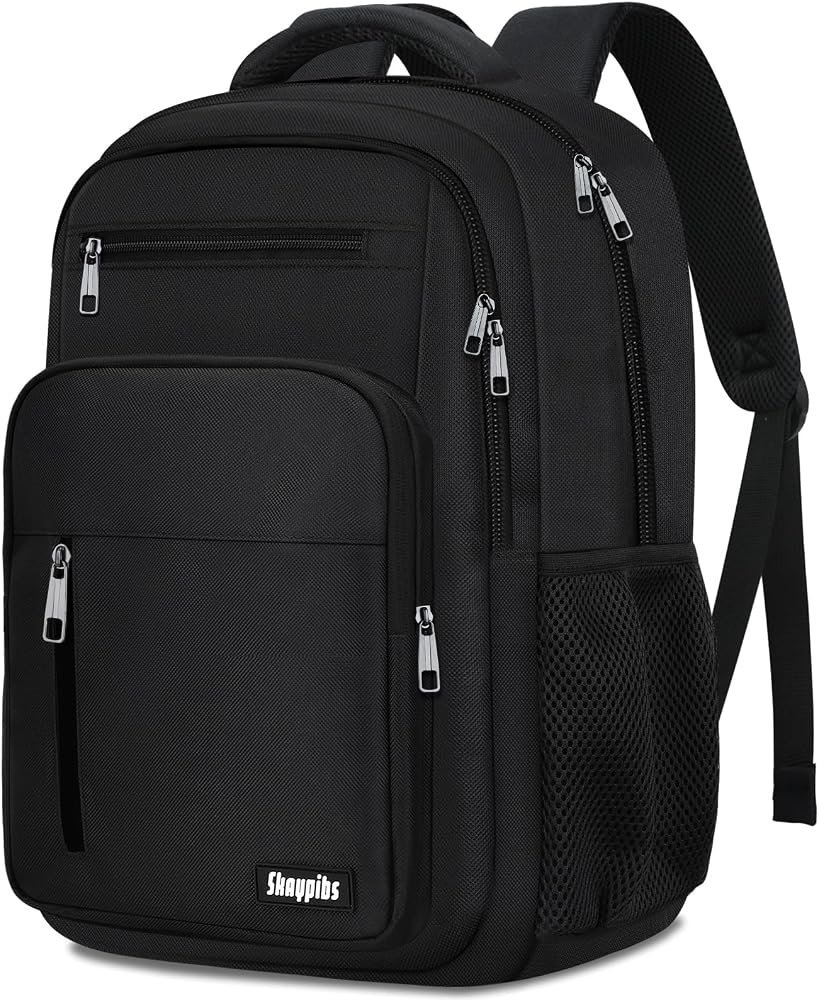
A high-capacity bag is designed to manage the weight of textbooks, tablets, and bulky supplies without losing its shape. These packs usually fall into the 30-liter to 45-liter range, which is the sweet spot for students or commuters carrying multiple items. A common mistake is buying a bag based only on the number of pockets rather than the load-bearing capacity of the suspension system. If the shoulder straps are too thin, the weight will dig into your skin regardless of how many books fit inside. The true test of these bags is the quality of the stitching at the stress points where the straps connect to the main body.
Selecting and packing effectively
- Choose a bag with a dedicated internal sleeve to keep the heaviest items, like textbooks, close to your spine.
- Place the heaviest items close to your back and centered between your shoulder blades to keep the center of gravity high and close to your body.
- Use the compression straps on the sides to pull the load tighter to your body, which reduces the swinging motion while walking.
- If you carry more than 20 pounds of gear, ensure the bag has a sternum strap to shift some weight from your shoulders to your chest.
- Check that the zippers are heavy-duty, such as YKK-branded ones, as these are less likely to fail under the pressure of a full load.
The critical decision is balancing volume with your own frame size; if you’re under five-foot-five, a 45-liter pack may sit too low on your hips, causing discomfort. According to the American Academy of Pediatrics, a backpack should never weigh more than 10 to 20 percent of your total body weight to avoid long-term back issues.
Key numbers and settings at a glance
Factors affecting comfort and longevity
Load distribution
Experienced users know that how you pack determines how the bag feels after an hour of walking. If you cram everything into the outer pockets, the bag will pull away from your back, forcing you to lean forward to compensate. Always keep the heaviest items centered in the main compartment. If the bag starts to sag, it’s usually because the internal frame sheet is missing or the load is unbalanced.
Material integrity
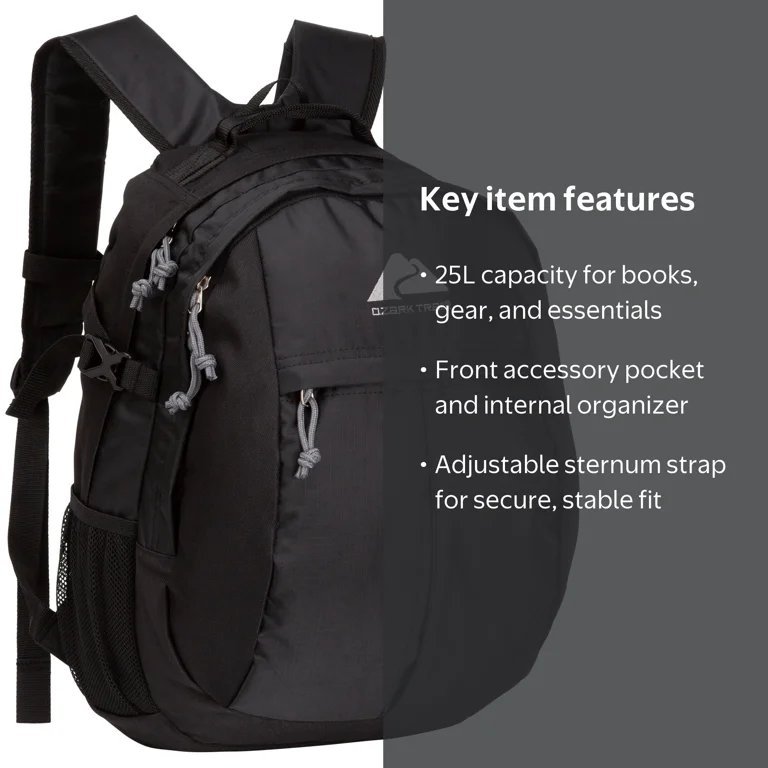
The fabric weight, often measured in denier, dictates how much abuse the bag can take. Look for 600D polyester or 1000D Cordura nylon if you carry sharp-edged hardback books. If the fabric is too thin, the corners of your books will eventually poke holes through the bottom. This varies by model — check the label for the denier count, as some lightweight “fashion” bags use 200D fabric that can’t handle heavy, sharp loads.
Common problems and quick fixes
| What you notice | What it usually means | What to do first |
|---|---|---|
| Shoulder pain | Improper strap height | Tighten straps so the bag sits high |
| Zipper sticking | Fabric caught in track | Clean track with a dry brush |
| Sagging bottom | Overloading beyond capacity | Remove the heaviest items |
| Uneven weight | Poor load packing | Re-center books against the back panel |
Regulatory and safety standards
When evaluating gear, look for compliance with industry standards for hardware durability and chemical safety. While there’s no single international law for backpacks, many reputable manufacturers follow the ISO 9001 quality management standards to ensure consistent stitching and material strength. If you’re choosing a bag for a child, the Consumer Product Safety Commission advises checking for secure closures that don’t pose a strangulation hazard.
Maintenance and long-term care
To keep your gear in top shape, clean the exterior with a damp cloth and mild soap once a season. Never machine wash a structured book bag, as the agitation can warp the internal frame or ruin the water-resistant coating. If a zipper becomes stiff, rub a lead pencil or a specialized zipper lubricant along the teeth to restore smooth movement. Store the bag in a cool, dry place when not in use to prevent mold from forming in the fabric fibers.
When to use a different approach
If you’re carrying more than 30 pounds of gear daily, a standard backpack is no longer the right choice. In this case, use a rolling bag or a dedicated gear cart to protect your spine. If your books are extremely large and awkward, a messenger bag may be easier to access, though it distributes weight unevenly across one shoulder.
Frequently asked questions
Can a heavy backpack cause long-term injury?
Yes, carrying an overloaded bag consistently can lead to muscle strain, poor posture, and chronic back pain if the weight isn’t distributed properly across your torso using chest straps.
How long should a good backpack last?
A high-quality, well-maintained bag should last between five and ten years, though this varies by model — check the label for warranty information regarding zippers and seams.
What happens if I overload my bag?
Overloading will cause the stitching at the strap attachment points to fail, the zippers to burst, and the bottom fabric to wear through prematurely from the internal pressure.
Is it safe to carry a laptop with books?
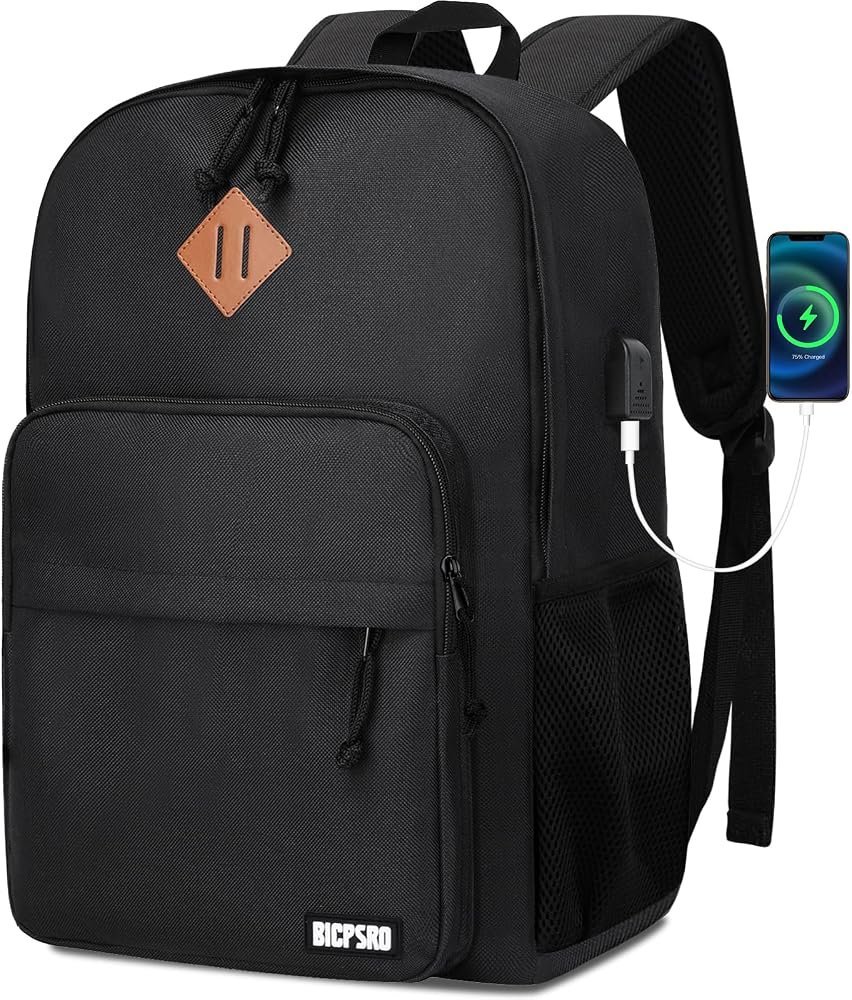
Yes, it’s safe as long as the bag has a dedicated, padded laptop sleeve that keeps the device separate from the hard edges of your books.
How do I know if the bag is too big?
It’s too big if the bottom of the bag sits below your waistline when the straps are tightened, as this will force you to arch your back to compensate.
Final Thoughts
Choosing the right gear makes a world of difference when you’re carrying a heavy load all day. Before you make your final purchase, check the return policy and try the bag on with your heaviest items inside. You’ll feel much better once you’ve found the perfect fit for your daily journey.
Related guides