
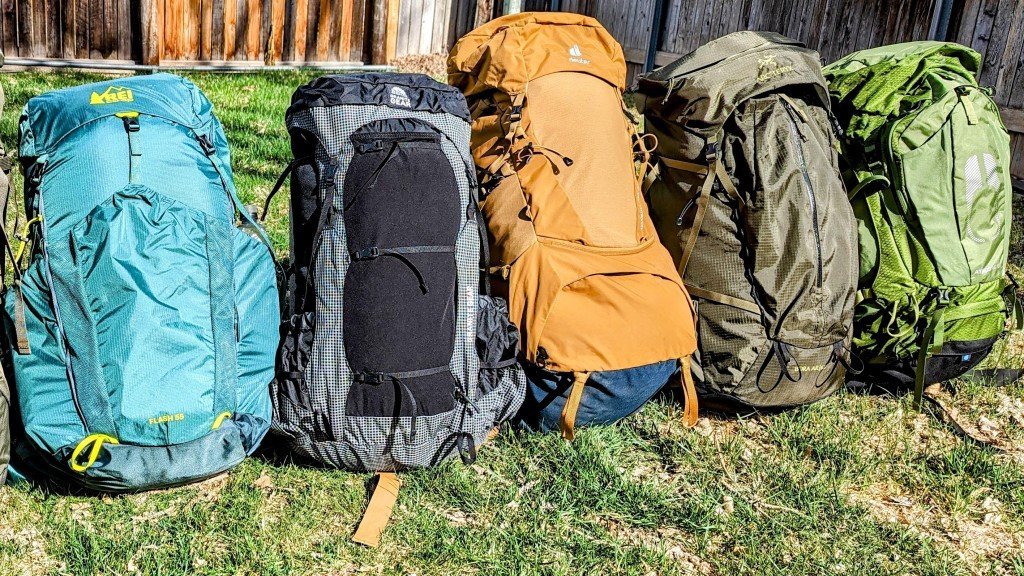
A backpack that is good for your back fits your torso length perfectly and keeps the load close to your spine. If a pack is too large or hangs too low, you will likely suffer from muscle strain or poor posture over time.
Choosing a backpack that is good for your back
| Situation | Safe? | Why |
|---|---|---|
| Wide padded straps | Yes | Distributes weight across shoulders |
| Carrying over one shoulder | No | Causes uneven spinal pressure |
| Waist belt included | Yes | Transfers weight to hips |
| Pack below the waist | No | Increases back strain |
| Straps adjusted tight | With care | Can restrict arm movement |
| Heavy items at bottom | No | Pulls center of gravity back |
| Chest strap used | Yes | Stabilizes the load |
What the risk actually is
The primary risk of a poorly fitted pack is musculoskeletal strain, which happens when the muscles of the neck, shoulders, and lower back overcompensate for an unbalanced load. When a pack hangs too low or is packed improperly, it forces the user to lean forward to maintain balance, which increases the pressure on spinal discs. According to the American Academy of Pediatrics, children and adults should avoid carrying more than 10 to 20 percent of their body weight to prevent long-term injury. If you carry excessive weight, the risk of chronic pain increases significantly. If you feel numbness or tingling in your arms while wearing your pack, the straps are likely compressing nerves, and you should remove the bag immediately to prevent further irritation or potential nerve damage.
The signs to stop immediately
- Numbness in your hands: This means the shoulder straps are cutting off circulation or nerve flow.
- Red indentations on skin: These marks show that the strap padding is failing to protect your body.
- Constant forward hunching: Your body is overcompensating for a load that’s too heavy or poorly balanced.
- Pain during movement: Any sharp sensation in your spine suggests the bag isn’t positioned correctly.
- Visible fabric tearing: A failing seam puts the load at risk of shifting unexpectedly, which causes sudden strain.
The safer way to do it
- Choose a pack where the length of the back panel matches your torso, not your overall height.
- Tighten the shoulder straps so the top of the bag sits at your shoulders and the base hits your waist.
- Place the heaviest items closest to your spine in the main compartment to keep your center of gravity stable.
- Buckle the waist belt first, as this transfers up to 80 percent of the weight from your shoulders to your hips.
- Adjust the chest strap to pull the shoulder straps inward, which prevents the bag from swaying while you’re walking.
- Use the side compression straps to pull the load tight against the back panel so it doesn’t bounce around.
If it has already happened
If you feel pain, take the pack off immediately and rest your back on a flat surface to allow your spine to decompress. If you have been carrying a heavy load, perform gentle stretches for your shoulders and neck once the initial tension fades. If the pain persists for more than 48 hours or you experience radiating pain down your legs, stop using the pack and consult a physical therapist or a doctor. This is the point where self-care ends; don’t attempt to “work through” sharp or shooting pain, as this can worsen underlying disc or muscle issues.
Frequently asked questions
Can a heavy backpack cause permanent back damage?
Yes, carrying excessive weight over many years can lead to chronic posture changes and spinal misalignment. You should always ensure your total load weight stays well under the recommended limit for your body size to avoid long-term skeletal stress.
How long should I wear a backpack each day?
Is it safe to wear a backpack on one shoulder?
No, wearing a bag on one shoulder causes your body to tilt to one side, which creates significant, uneven stress on your spine. Always use both shoulder straps to ensure the weight is distributed equally across your back and torso.
What happens if the straps are too loose?
A loose bag will hang low on your back, which forces your shoulders to pull backward and your spine to arch. This position shifts your center of gravity, making your back muscles work much harder than they would with a properly secured pack.
Does the material of the backpack matter?
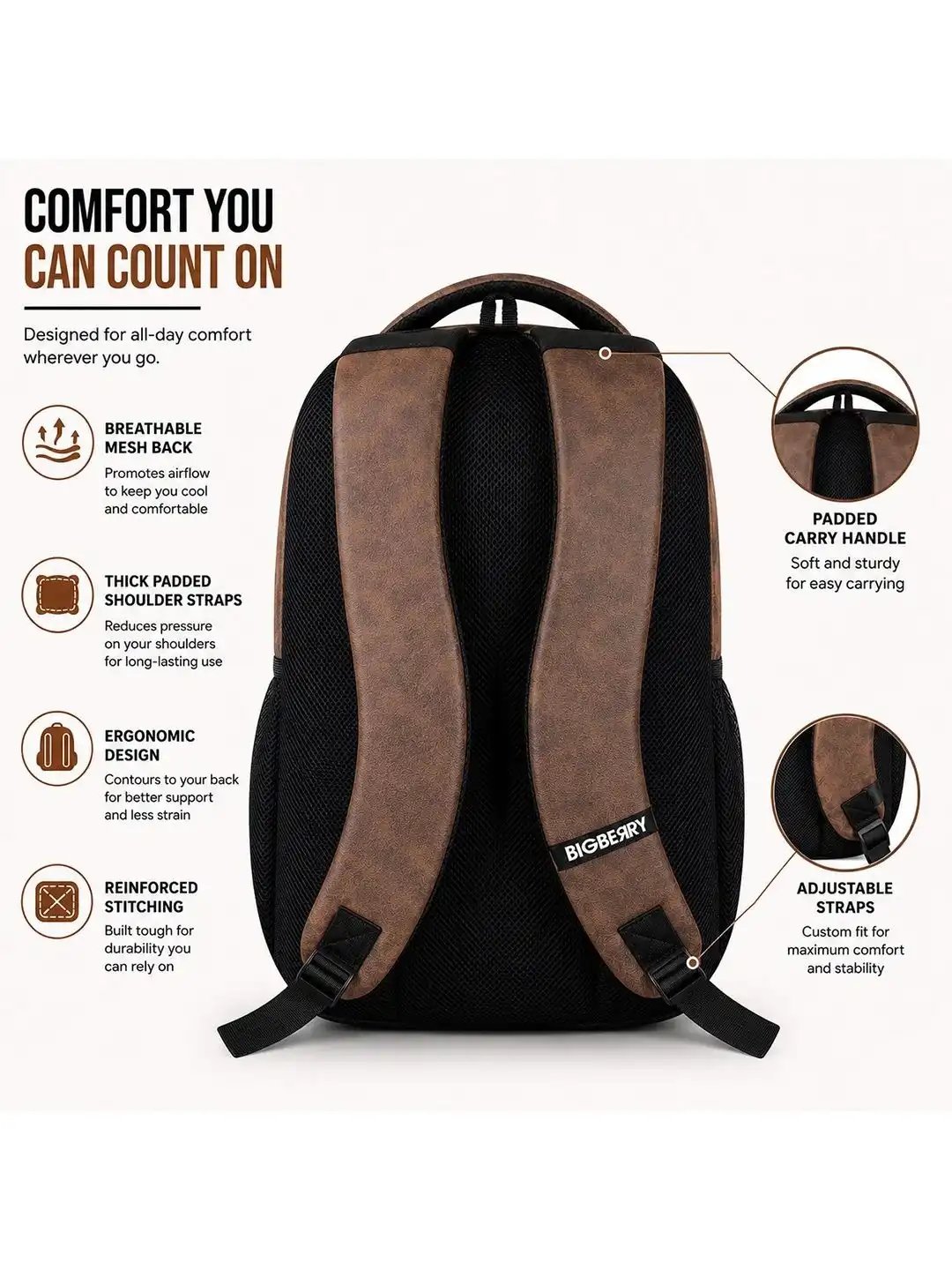
Yes, the material and padding quality determine how well the bag distributes pressure. While a stiff frame helps maintain the pack’s shape, the straps must have high-density foam to prevent them from digging into your trapezius muscles during long periods of use.
Why does my neck hurt when wearing a backpack?
The pain usually occurs because your shoulder straps are too long, causing the pack to pull your neck forward. Tightening the straps and securing the waist belt will often pull the weight back toward your center, which relieves the tension on your neck.
Final Thoughts
Finding the right fit doesn’t have to be a chore. Once you’ve narrowed down your choices, head to a local shop to try them on with some weight inside. You’ll quickly feel which one sits comfortably against your frame, so don’t settle until you’ve found a bag that truly supports you.
Related guides