
A backpack that can hold a lot of books needs a minimum capacity of 30 liters and wide, padded shoulder straps to distribute weight effectively. You should look for models with reinforced stitching and internal laptop sleeves, as these features help maintain structural integrity when carrying loads exceeding 15 pounds.
Choosing a backpack that can hold a lot of books
The most important factor is the internal frame or back panel support. Without a stiff back panel, the weight of your books will pull away from your spine, causing poor posture and rapid fatigue. Many people make the mistake of buying bags based only on the number of pockets. While extra storage is helpful, a bag with poor weight distribution will feel much heavier than one with a proper ergonomic suspension system.
How to pack for heavy books
- Place your heaviest, largest books closest to the back panel to keep the center of gravity near your spine.
- Fill smaller gaps with lighter items like notebooks or pencil cases to prevent shifting while you’re moving.
- Tighten the compression straps on the sides of the bag to pull the weight closer to your body, which reduces the strain on your shoulders.
- Check that you aren’t exceeding the recommended load limit for your spine; the American Academy of Pediatrics suggests that a student’s backpack should never weigh more than 10% to 20% of their total body weight. Tip: If your bag has a sternum strap, always buckle it to transfer some weight from your shoulders to your chest.
- Store fragile items like tablets in the dedicated padded sleeve, keeping them away from the metal corners of textbooks. Tip: Don’t leave heavy books in the bottom of the bag during transit, as this often causes the material to sag and tear over time.
How long the backpack holds books
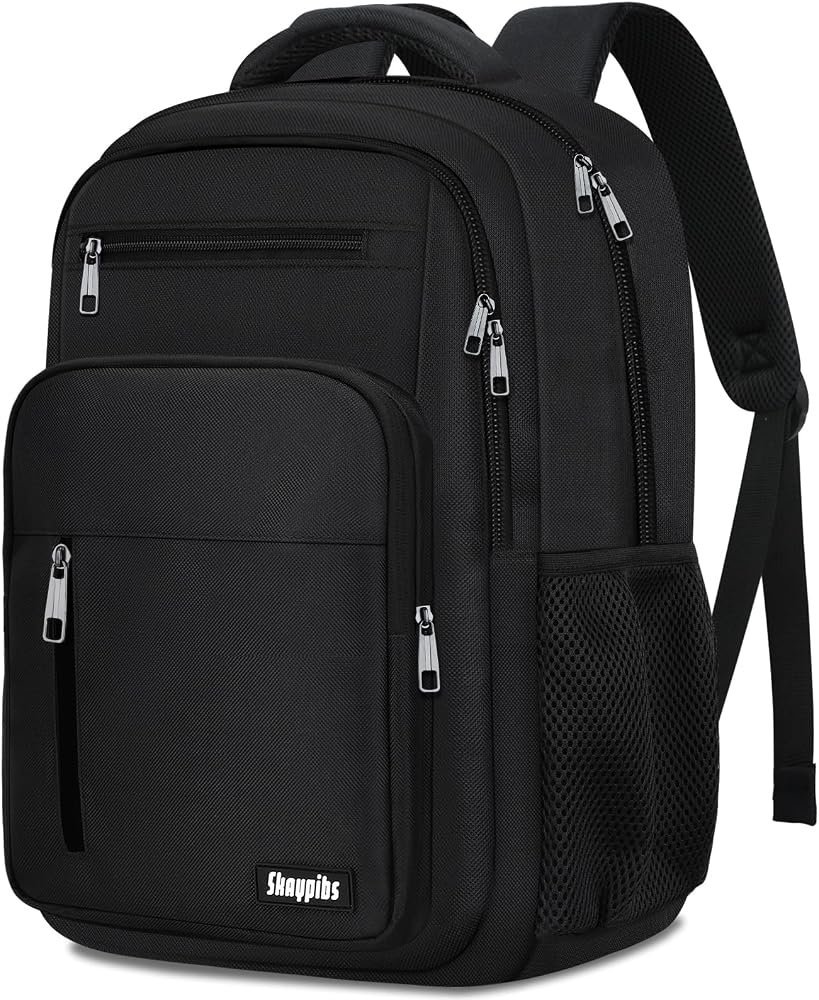
The amount of time you can comfortably carry a heavy load depends on your physical fitness and the quality of the bag’s harness.
| Situation | Typical Comfort Limit | Primary Factor | Watch For |
|---|---|---|---|
| Short walk (campus) | 20–30 minutes | Padding quality | Shoulder redness |
| Commuting (transit) | 45–60 minutes | Weight distribution | Back soreness |
| Long haul (travel) | 90+ minutes | Frame support | Hip belt pressure |
If your shoulders feel numb after only ten minutes, your straps are likely too narrow or the weight is positioned too low.
Signs of a quality build
You can identify a reliable bag by checking the density of the foam in the straps and the thickness of the fabric. High-quality packs use 600D to 1000D polyester or nylon, which resists tears when packed to capacity. Look at the seams where the straps attach to the bag; double-stitched or bar-tacked seams are necessary to prevent the fabric from ripping under constant tension. If the fabric feels thin like a grocery bag, it won’t hold up to the sharp edges of heavy textbooks for more than a few months.
Mistakes that ruin it
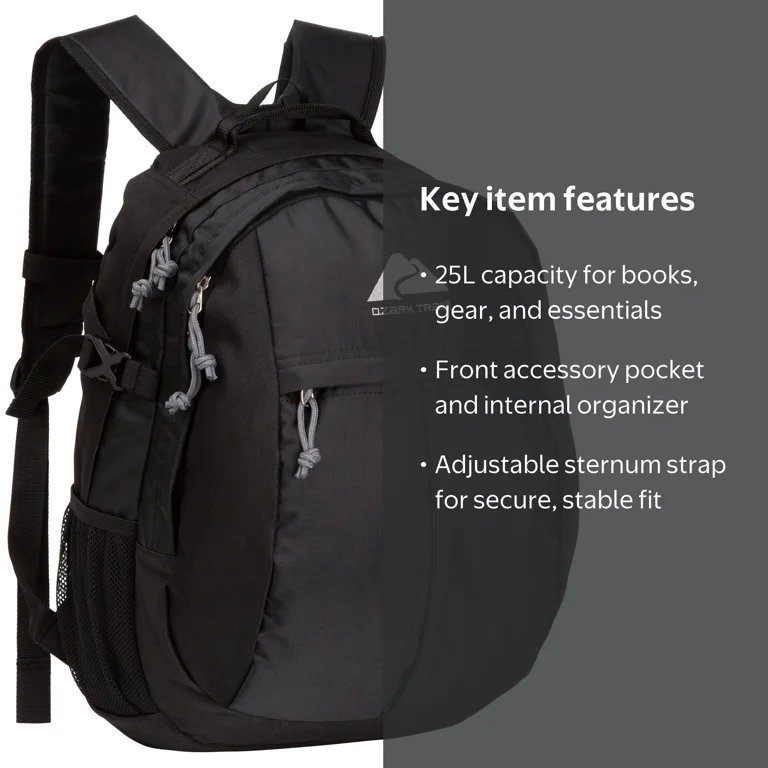
- Overloading the front pockets: Placing heavy items in outer pockets shifts the weight backward, which forces you to arch your back to compensate. Keep the heaviest items in the main compartment, flush against the back panel.
- Wearing one strap only: This uneven weight distribution causes muscle imbalances and potential spinal misalignment. Use both straps at all times to keep the weight centered and manageable.
- Ignoring the hip belt: Many users think hip belts are only for hiking, but they’re vital for heavy school loads. Use the belt to shift the load onto your pelvis, which is much stronger than your shoulder muscles.
- Neglecting zipper maintenance: Forcing a zipper shut on an overstuffed bag will eventually strip the teeth. If the bag is too full to zip easily, you need to remove an item or use a larger bag.
Frequently asked questions
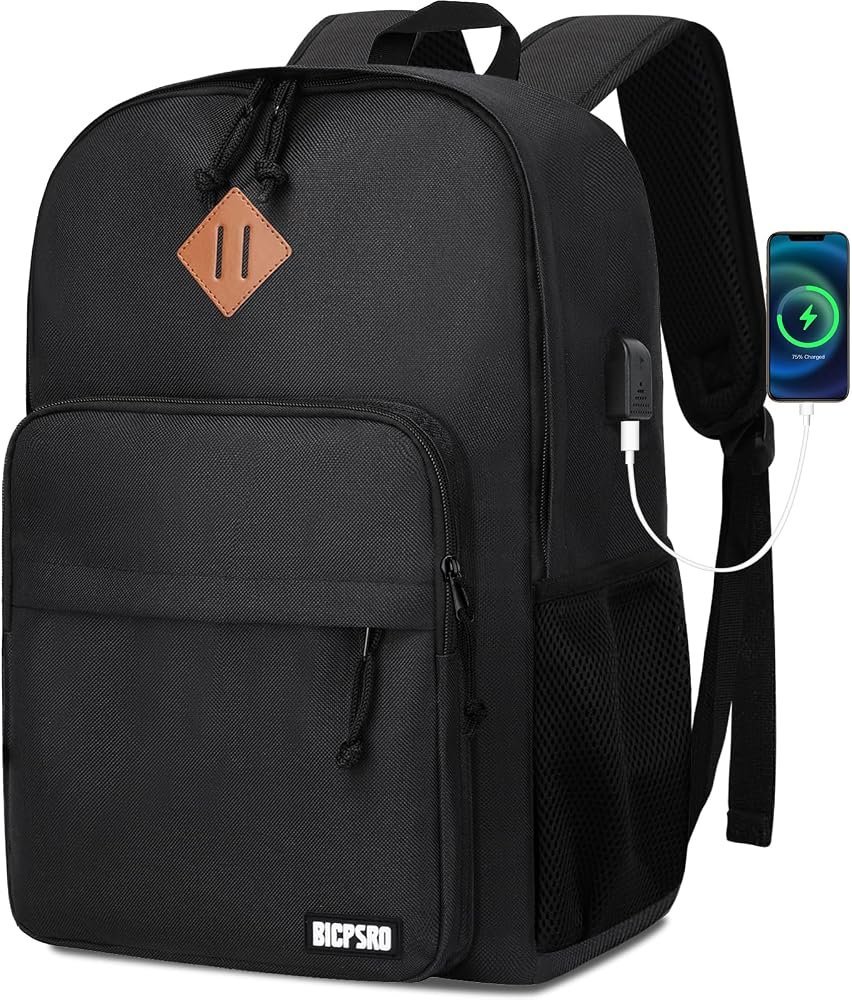
Can a regular backpack hold heavy books?
Yes, a regular backpack can hold heavy books if it’s made of durable synthetic fabric, but it will lack the ergonomic support needed for long-term comfort. If you carry more than three large textbooks daily, you’ll notice significant shoulder strain without a proper frame or chest strap.
Why is my backpack digging into my shoulders?
Your backpack is digging into your shoulders because the straps are either too thin or the load is positioned too low on your back. Tighten the shoulder straps so the bag sits higher, and ensure you’re using a chest strap to pull the load closer to your body.
How long should a heavy-duty backpack last?
A high-quality backpack designed for heavy loads should last between three and five years with daily use. This varies by model — check the label for warranty information, as some premium brands offer lifetime guarantees against seam failure and zipper breakage under normal wear and tear.
Is it safe to carry 20 pounds of books?
It’s safe for an adult to carry 20 pounds of books if the weight is distributed correctly, but it may be too heavy for smaller students. You should consult the backpack safety guidelines provided by your local health department to ensure you aren’t exceeding a weight that could cause chronic back pain.
What happens if I overpack my bag?
Overpacking your bag puts extreme stress on the zippers, shoulder straps, and bottom seams, which leads to premature failure. You’ll also find that a bag that’s too full becomes difficult to organize, making it harder to find your items quickly when you’re in a rush.
Final Thoughts
Finding the right bag will make your daily commute feel much lighter and more comfortable. Once you’ve picked your favorite design, head to a local shop to try it on with a few heavy items inside. You’ll quickly see how it feels on your back before you commit to the purchase.