
A basic school or day-use backpack usually costs between twenty and fifty dollars, while a specialized hiking or laptop pack can easily reach one hundred to three hundred dollars. The total cost of a backpack depends entirely on the features and materials you select.
Buying the right bag
Photo: squatchsurvivalgear.com on Google
- Expect to pay twenty to fifty dollars for a standard polyester daypack for light school use.
- Budget sixty to one hundred twenty dollars for a pack with dedicated padded laptop compartments.
- Allocate one hundred fifty to three hundred dollars for technical hiking packs with ergonomic frame systems.
- Check the shoulder straps and zippers on cheaper bags, as these often fail after six months.
- Look for reinforced stitching on stress points if you plan to carry more than ten pounds daily.
- Remember that brand names often add a premium of twenty to forty percent to the price.
Why the cost varies
The price of a bag reflects the quality of its components and the engineering required to distribute weight. Entry-level models use thin synthetic fabrics and basic zippers that provide little protection against the elements or heavy wear. As you move up in price, manufacturers incorporate high-denier nylon, which is more resistant to tearing and abrasion. The Consumer Product Safety Commission provides guidance on weight limits, noting that overloading a bag can lead to physical strain regardless of the build quality. Higher-end models feature internal frames, adjustable suspension systems, and moisture-wicking back panels that aren’t present in budget versions. These features require more labor and specialized materials during production, which drives the final retail price higher. You’re essentially paying for durability and long-term comfort, which matters if you carry heavy gear for several hours every day.
How much is a backpack by use
| Situation | What changes | What to do instead |
|---|---|---|
| Daily commute | Padded laptop sleeve | Prioritize electronics protection |
| Weekend hiking | Frame and ventilation | Focus on suspension comfort |
| Air travel | Maximum carry-on size | Choose soft-sided luggage |
| Heavy school books | Reinforced base material | Check for double stitching |
| Occasional storage | Lightweight thin fabric | Buy a simple drawstring bag |
How to choose your bag
- Measure your torso length from your seventh cervical vertebra to your iliac crest to ensure a proper fit for hiking packs.
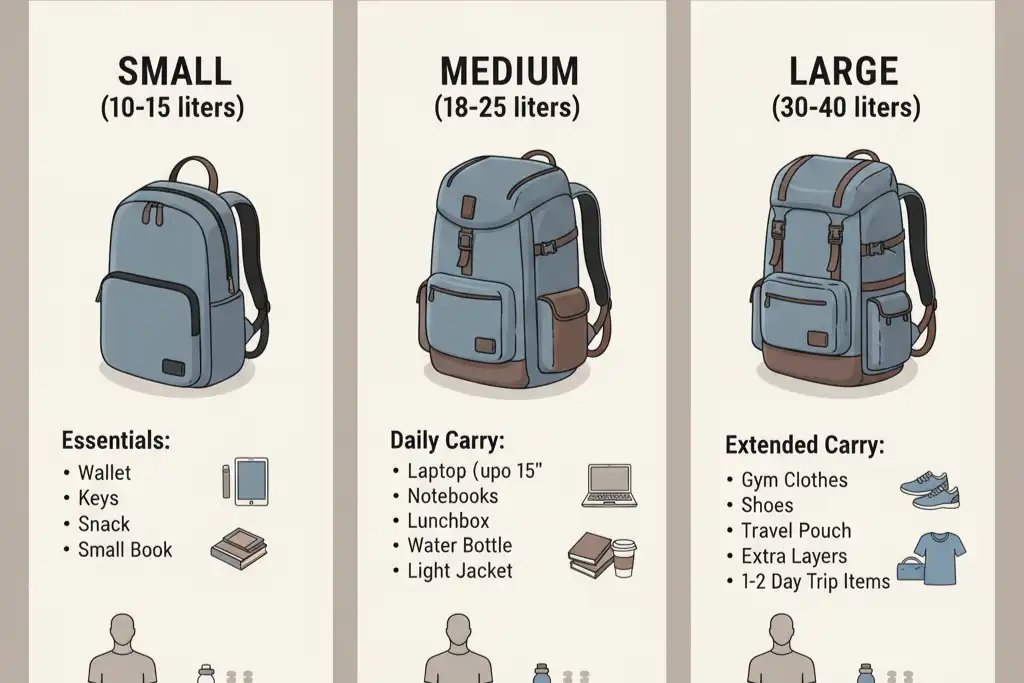
- Count the total number of items you carry daily to determine the required volume in liters, which usually ranges from twenty to forty.
- Test the zippers by opening and closing them repeatedly; a smooth motion without catching indicates a higher quality metal or plastic component.
- Check the shoulder straps for at least half an inch of high-density foam padding to prevent digging into your shoulders under heavy loads.
- Inspect the bottom panel of the bag to ensure it’s double-layered or reinforced, as this area experiences the most friction and wear.
- Lift the empty bag to gauge its baseline weight; a light pack is usually better unless you need a rigid frame for heavy loads.
- Verify the warranty terms on the manufacturer’s website, as many reputable brands offer lifetime coverage against defects in materials and workmanship.
The mistakes that ruin it
Photo: www.outsideonline.com on Google
- Buying a bag that’s too large often causes people to overpack, which leads to unnecessary back strain and posture issues.
- Ignoring the weight of the bag itself adds extra load to your shoulders before you even pack your personal belongings.
- Choosing a bag based only on the aesthetic design often results in poor ergonomics and a lack of necessary organizational pockets.
- Failing to adjust the straps correctly makes even an expensive, high-quality pack feel uncomfortable and unbalanced during long walks.
Can a cheap backpack be safe?
Yes, a cheap backpack is safe as long as you don’t exceed the manufacturer’s weight capacity. The primary risk with lower-cost options is the durability of the seams, which may rip if you carry heavy items like textbooks or metal water bottles regularly.
How long does a good backpack last?
A high-quality backpack typically lasts five to ten years with daily use. This lifespan varies by model — check the label for material specifications, as heavy-duty cordura nylon will outlast thinner polyester fabrics used in basic, low-cost school bags.
Does the price include a rain cover?
No, most standard backpacks don’t include a rain cover unless they’re specifically marketed as hiking or technical gear. You can purchase a universal rain cover separately for ten to twenty dollars if you need extra protection for your electronics.
Is it worth paying for a name brand?
It depends on whether you value the lifetime warranty often offered by premium brands. While you pay more upfront, these companies usually repair or replace bags that suffer from manufacturing defects, which can save you money on replacements over many years.
What happens if I overload my bag?
Overloading your bag beyond its recommended capacity causes the zippers to fail and the shoulder straps to tear away from the main body. This damage is rarely covered by standard warranties and often forces you to buy a new bag entirely.
How do I know if a bag fits?
A properly fitting bag should sit comfortably against your back without hanging below your waistline. When the straps are tightened, the pack should feel like an extension of your body, with the weight distributed evenly across your shoulders and hips.
Choosing the right bag is about balancing the weight you carry with the features you actually need. Stick to your budget, but prioritize structural integrity at the stress points to ensure your purchase lasts for years.
Backpack, in short
Before you head to the store, think about how you’ll use the bag every day. If you’re planning to carry heavy books or gear, don’t skimp on quality, as a durable choice won’t wear out quickly. You’ll be much happier if you invest in something that’s built to last for years.
Related guides