
Yes, you can absolutely bring a backpack onto an airplane as your main cabin bag or secondary personal item, provided it fits within the specific dimensional limits set by your airline. Most standard travel backpacks easily meet these requirements, making them an excellent choice for navigating busy terminals and storing gear in overhead bins.
Key Takeaways
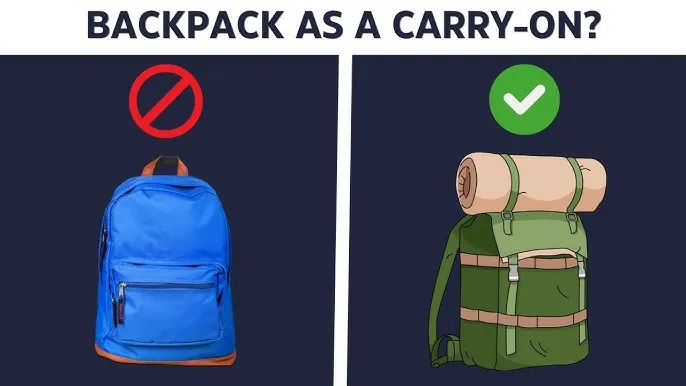
- Most airlines allow backpacks as either a primary carry on or a smaller personal item.
- Measure your loaded bag, including external pockets and straps, before arriving at the airport.
- Soft-sided bags offer flexibility when fitting into rigid metal sizing bins at the departure gate.
- Budget carriers enforce strict size and weight limits, often charging hefty fees for oversized luggage.
Using a Backpack for Carry On
Airlines universally accept backpacks as valid cabin luggage. Unlike hard-shell suitcases, a soft travel backpack compresses slightly, helping you squeeze into tight overhead compartments or under the seat in front of you. However, you must ensure your chosen bag respects the maximum linear dimensions. If your bag exceeds the allowed measurements, gate agents will force you to check it and pay an additional fee.
Standard Carry On Size Limits
Most major domestic airlines share similar dimensional restrictions for primary cabin bags. Your backpack must fit completely inside the metal sizer bin at the gate.
| Airline | Maximum Dimensions (Inches) | Weight Limit |
|---|---|---|
| Delta Air Lines | 22 x 14 x 9 | None |
| American Airlines | 22 x 14 x 9 | None |
| United Airlines | 22 x 14 x 9 | None |
| Southwest Airlines | 24 x 16 x 10 | None |
Measure your loaded backpack including all bulging exterior pockets.
What About Personal Item Rules
If you want to bring a backpack alongside a rolling suitcase, it must qualify as a personal item. This smaller bag must slide completely beneath the seat in front of you.
| Airline | Personal Item Dimensions (Inches) |
|---|---|
| Delta Air Lines | Must fit under seat |
| American Airlines | 18 x 14 x 8 |
| United Airlines | 17 x 10 x 9 |
| Spirit Airlines | 18 x 14 x 8 |
Pro Tip: Choose a slim daypack rather than a bulky hiking pack to guarantee it passes the personal item inspection without forcing you to cram it awkwardly under the seat.
Best Backpacks for Air Travel
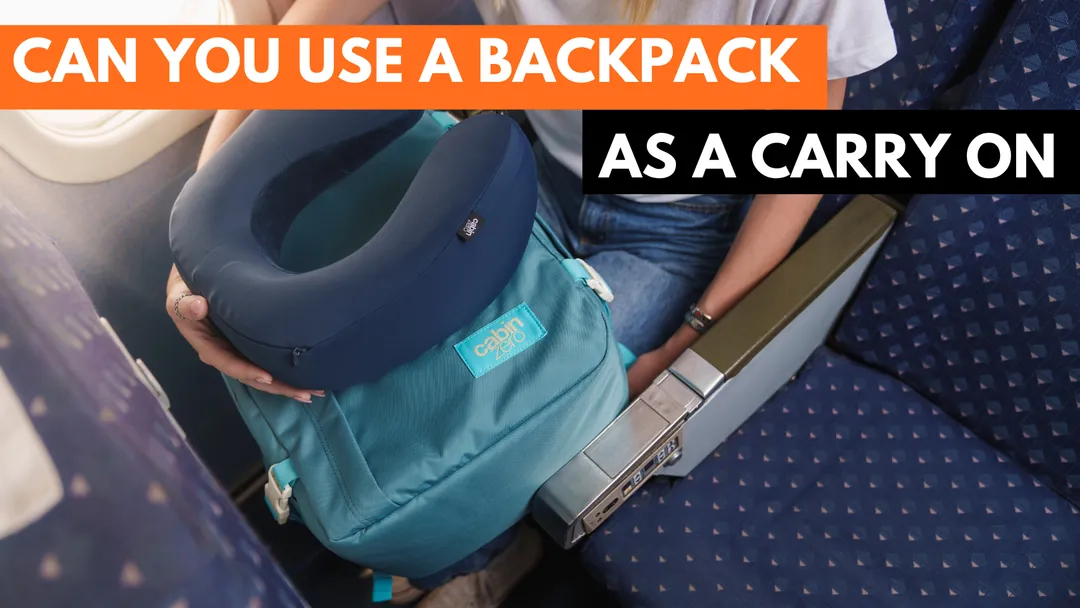
Selecting the right gear prevents headaches at the departure gate. Look for bags specifically designed with airline dimensions in mind. Here are excellent options that consistently meet standard requirements:
- Osprey Farpoint 40: A highly durable 40-liter bag that perfectly matches most international and domestic size limits.
- Cotopaxi Allpa 35L: Features a clamshell opening and internal organization, keeping your packing cubes secure.
- Peak Design Everyday Backpack: Ideal for photographers needing quick access to camera equipment and laptops.
- Nomatic Travel Pack: Expands from 20 to 30 liters, offering versatile storage.
- Aer Travel Pack 3: Offers a dedicated tech compartment and robust build quality.
How to Pack Your Backpack
Efficient packing maximizes your limited space and keeps the bag within size limits. Roll your clothing tightly or use compression sacks to minimize bulk. Place heavier items like shoes and toiletry bags at the bottom, close to your back, to maintain a comfortable center of gravity.
Keep your laptop and travel documents in the top lid for quick access during security screening. Use internal compression straps to prevent shifting. Furthermore, the TSA 3-1-1 liquids rule requires all toiletries to be in containers of 3.4 ounces or less, stored in a single quart-sized bag inside your cabin luggage.
Do Airlines Weigh Carry On Bags
While major US carriers rarely weigh primary cabin bags, international and budget airlines frequently do. Carriers like Frontier, Spirit, and Ryanair enforce strict weight thresholds. If your bag is too heavy, you’ll face expensive gate-check fees. Check your specific ticket details, as basic economy fares often restrict you to a single personal item only.
Warning: Always verify the specific weight allowance printed on your boarding pass, as budget airlines strictly penalize passengers who exceed the limit.
Handling Oversized Bags at the Gate

If a gate agent determines your bag is too large, they will tag it for valet checking. You must remove all lithium batteries, medications, and valuables before handing it over. The bag is then placed in the aircraft hold and returned to you on the jet bridge upon arrival, or sent to the main baggage carousel depending on the aircraft size.
Frequently Asked Questions
Can I bring a hiking backpack on a plane?
Yes, but only if it meets standard cabin dimensions. Many large hiking packs exceed the 22-inch height limit due to their extended frames. If your pack is too tall, you must check it at the ticket counter. Always measure the rigid internal frame, not just the fabric.
Does a backpack count as a personal item?
It depends on the size. A small daypack or laptop bag easily qualifies as a personal item and fits under the seat. However, a fully loaded 40-liter travel backpack is too large and will count as your primary carry on bag instead.
Are there weight limits for carry on backpacks?
Major US airlines typically don’t enforce weight limits for cabin bags, provided you can lift it into the overhead bin safely. Conversely, international and budget carriers frequently cap carry on weight between 15 and 22 pounds, strictly enforcing these rules at the gate.
Can I bring a backpack and a carry on?
Yes, most standard economy tickets allow one primary carry on bag and one smaller personal item. You can bring a rolling suitcase for the overhead bin and a smaller backpack for under the seat. Basic economy tickets on some airlines restrict you to just one personal item.
What happens if my backpack is too big?
If your bag exceeds the size limits, gate agents will require you to check it. You’ll likely incur a checked baggage fee, which is often higher at the gate than if booked online. You must remove all valuables and batteries before handing it over.
Conclusion
Before your next trip, measure your fully loaded bag with a tape measure and compare it against your specific airline’s published dimensions. This simple step guarantees a smooth boarding process and prevents unexpected fees at the departure gate.