
Yes, you can bring both a standard rolling suitcase and a smaller backpack onto most commercial flights, provided they meet specific dimension limits. Airlines generally allow one larger overhead bin bag plus one smaller item that fits under the seat in front of you.
Key Takeaways
- Most major airlines permit one overhead bin bag and one personal item like a backpack.
- Basic economy tickets on budget carriers often restrict you to a single under-seat bag.
- Measure your luggage including wheels and handles to avoid surprise gate-check fees.
- Soft-sided backpacks compress easily, making them ideal under-seat storage options.
Carry On and Backpack Rules
The short answer is yes, but the exact rules depend on your ticket class and the specific carrier. A standard carry-on suitcase goes in the overhead bin, while your backpack serves as your personal item stowed beneath the seat. Major legacy carriers typically include both items in standard economy fares. However, ultra-low-cost carriers operate differently. Always verify your specific ticket details before heading to the airport to ensure your luggage allowance matches your booking.
What Are Standard Size Limits?
Dimensions dictate whether your bags fly free or incur extra charges. The standard domestic limit for an overhead bag is twenty-two by fourteen by nine inches. Your backpack must fit within the smaller personal item dimensions, usually eighteen by fourteen by eight inches.
Pro Tip: Measure your luggage from the floor to the top of the handle, including all protruding wheels and side pockets, to ensure accurate sizing.
| Airline | Overhead Bin Limit | Personal Item Limit |
|---|---|---|
| Delta Air Lines | 22 x 14 x 9 inches | Must fit under seat |
| United Airlines | 22 x 14 x 9 inches | 17 x 10 x 9 inches |
| American Airlines | 22 x 14 x 9 inches | 18 x 14 x 8 inches |
| Southwest Airlines | 24 x 16 x 10 inches | 18.5 x 8.5 x 13.5 inches |
Do Basic Economy Tickets Allow Both?
This is where travelers face unexpected fees. If you book a basic economy fare on certain airlines, your allowance drops significantly. For example, United Airlines restricts basic economy passengers to just one personal item. If you bring a full-sized overhead bag to the gate, you’ll pay a checked bag fee plus a gate handling charge. Always read the fare rules carefully before purchasing the cheapest ticket option.
Which Backpacks Work Best?

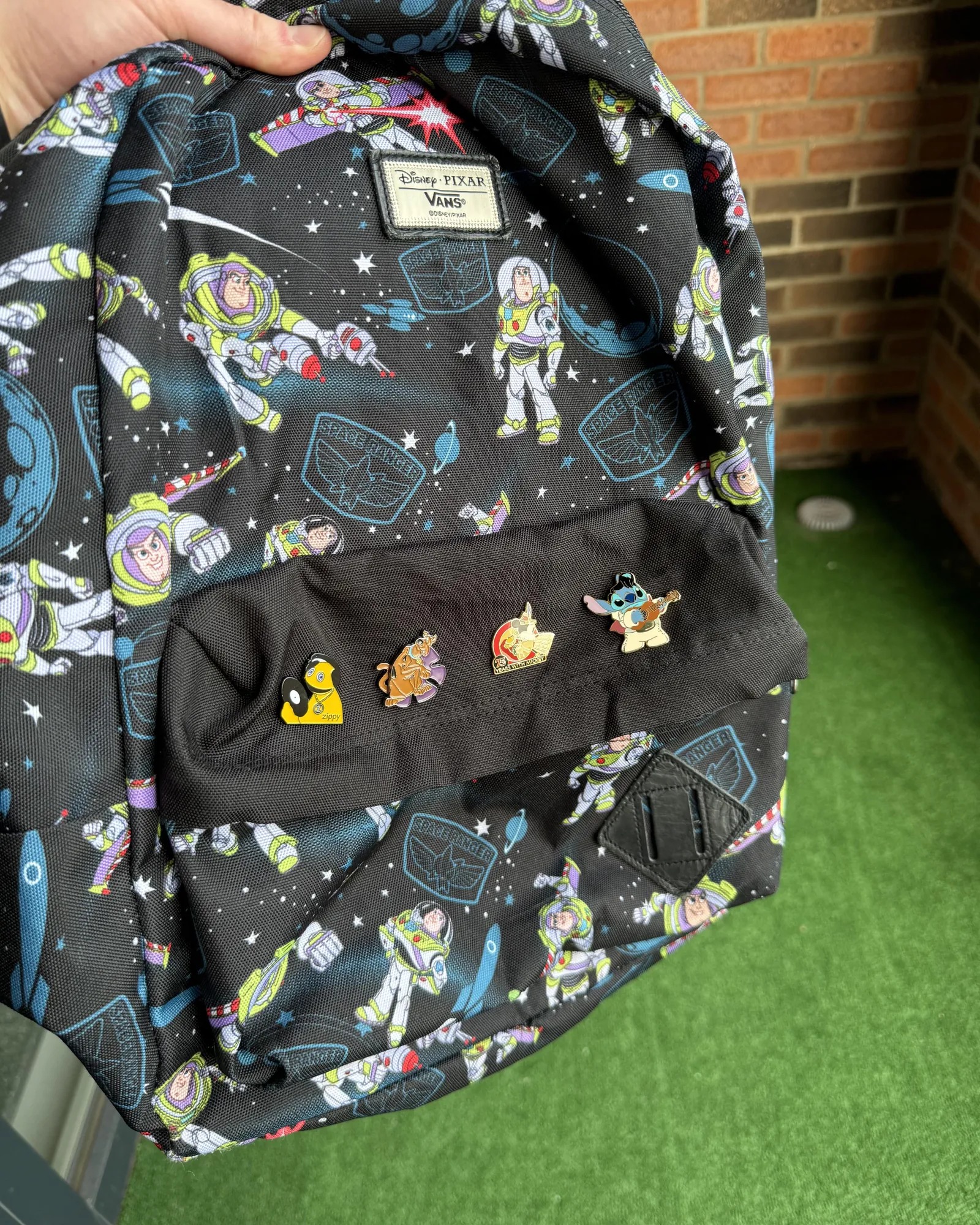
Not all backpacks qualify as personal items. Huge hiking packs with rigid frames won’t fit under an airplane seat. Opt for flexible, soft-sided models designed for travel. Look for bags with dedicated laptop sleeves and compression straps to keep the profile slim.
- Osprey Daylite Plus: Compresses easily and fits perfectly under most seats.
- Aer City Pack: Structured but slim enough for strict personal item sizers.
- Patagonia Black Hole 25L: Soft fabric squishes into tight under-seat spaces.
- Tortuga Setout: Specifically engineered to maximize personal item dimensions.
How Should You Pack Both Bags?
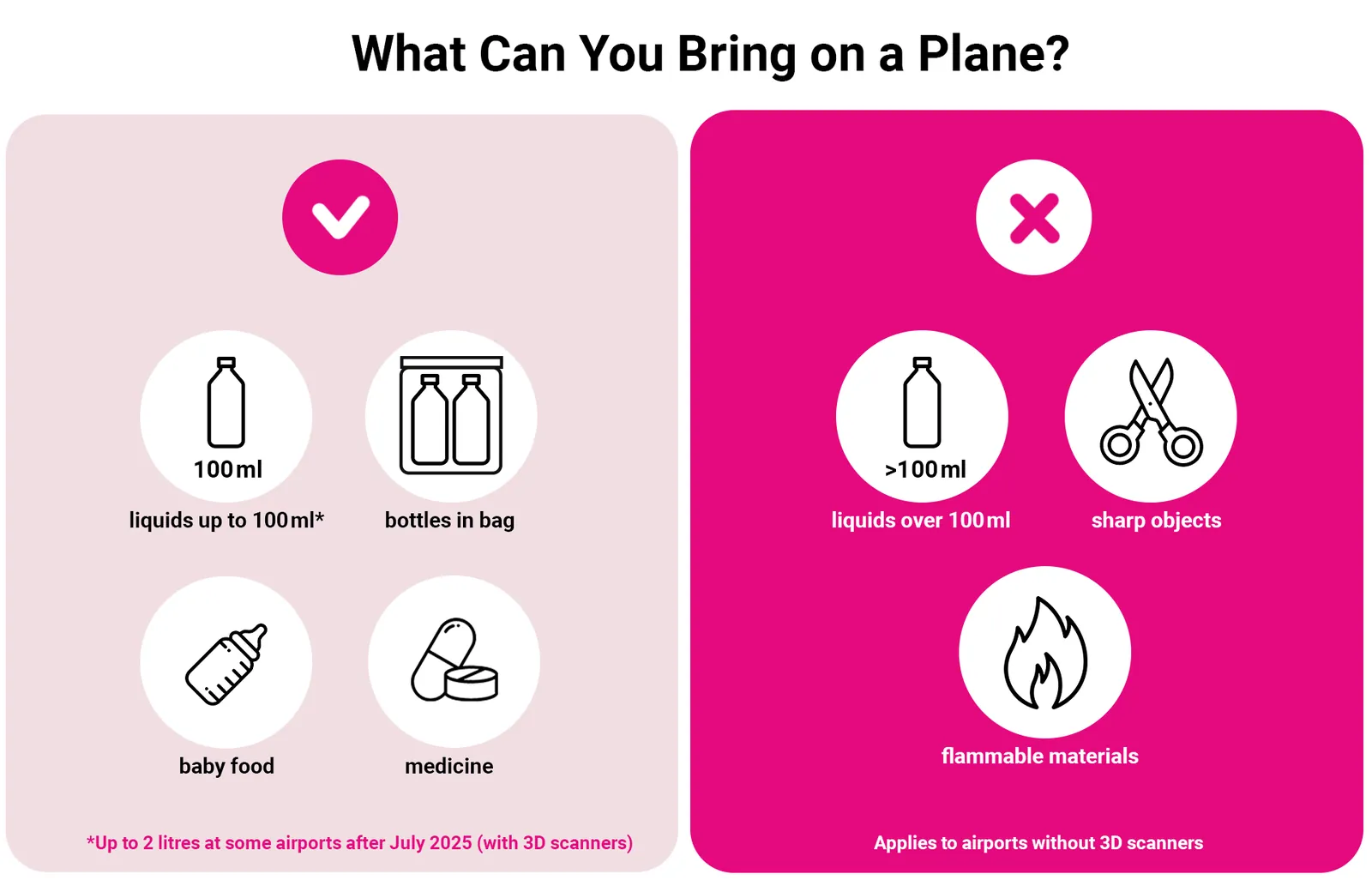
Strategic packing prevents mid-flight discomfort and security delays. Keep heavy electronics in your backpack so you can easily access them during TSA screening. Follow the TSA liquids rule guidelines for your toiletries.
Warning: Never pack lithium-ion batteries, power banks, or e-cigarettes in your overhead suitcase, as federal regulations strictly require these in the cabin with you.
| Item Category | Pack in Overhead Bin | Pack in Under-Seat Backpack |
|---|---|---|
| Laptops and Tablets | No | Yes |
| Liquids over 3.4 oz | No (must check) | No |
| Heavy Jackets | Yes | No |
| Passports and Wallets | No | Yes |
Handling an Oversized Backpack
If your backpack exceeds personal item limits, gate agents will force you to check it. This results in steep gate check fees, often higher than standard checked baggage rates. To avoid this, use a soft bag and don’t overstuff it. A bulging backpack won’t slide into the metal sizers at the departure gate. If you’re forced to check it, ensure you remove all valuables, medications, and fragile electronics first.
Are International Rules Different?
International carriers often enforce stricter weight limits alongside dimension restrictions. While domestic flights rarely weigh carry-ons, airlines like Ryanair or AirAsia strictly weigh both your overhead bag and your backpack at the gate. Ensure your combined luggage weight stays under the carrier’s specific threshold to avoid heavy financial penalties at the boarding desk.
How To Handle Connecting Flights?
When flying on multiple airlines, you must follow the strictest baggage policy of the entire group. If your first leg allows two bags but your connecting flight only permits one, you’ll pay extra fees. Always check the operating carrier rules for every single segment of your journey to prevent surprises.
| Flight Scenario | Applicable Baggage Rule |
|---|---|
| Single airline itinerary | That specific airline’s policy |
| Codeshare flight | Marketing carrier’s policy usually applies |
| Separate tickets booked | Strictest policy of both airlines |
Related guides
- Can You Take a Carry On Bag and a Backpack? Airline Rules
- Can I Take Carry On and Backpack? Airline Rules Explained
- Can I Take a Backpack and Carry on Luggage: Airline Rules
Frequently Asked Questions
Can I bring a purse and a backpack?
Yes, but one must fit inside the other or count as your single personal item. Most airlines allow only one personal item total. If you bring a backpack and a purse, you must place the purse inside your backpack during boarding to comply with the single item rule.
Does a diaper bag count as a carry-on?
No, child care items usually fly free. Federal regulations allow passengers traveling with infants to bring a diaper bag in addition to their standard carry-on and personal item. Always check your specific airline’s family travel policy for exact allowances.
Can I take a hiking backpack as a carry-on?
Only if it meets standard overhead bin dimensions. Most large hiking packs exceed the twenty-two-inch height limit and feature rigid frames that prevent compression. You’ll likely need to check large hiking backpacks at the ticket counter before proceeding through security.
What happens if the overhead bins are full?
Flight attendants will ask you to gate check your rolling suitcase. Your backpack should remain with you under the seat. Gate-checked bags are placed in the cargo hold and returned to you on the jet bridge or at the baggage claim upon arrival.
Conclusion
Review your specific airline’s baggage policy and measure your luggage before leaving for the airport. Packing a flexible, properly sized backpack ensures you avoid unexpected fees and breeze through the boarding process. Check your ticket confirmation today to verify your exact allowance. Taking these simple steps guarantees a much smoother travel experience from the security checkpoint to your final destination.