
Yes, you generally can take a backpack and carry on luggage together on most flights. The condition that flips this answer is the airline’s specific policy on personal items versus cabin bags. You should check your boarding pass or the airline’s website to confirm their allowance for two pieces of luggage.
Can you take a backpack and carry-on luggage
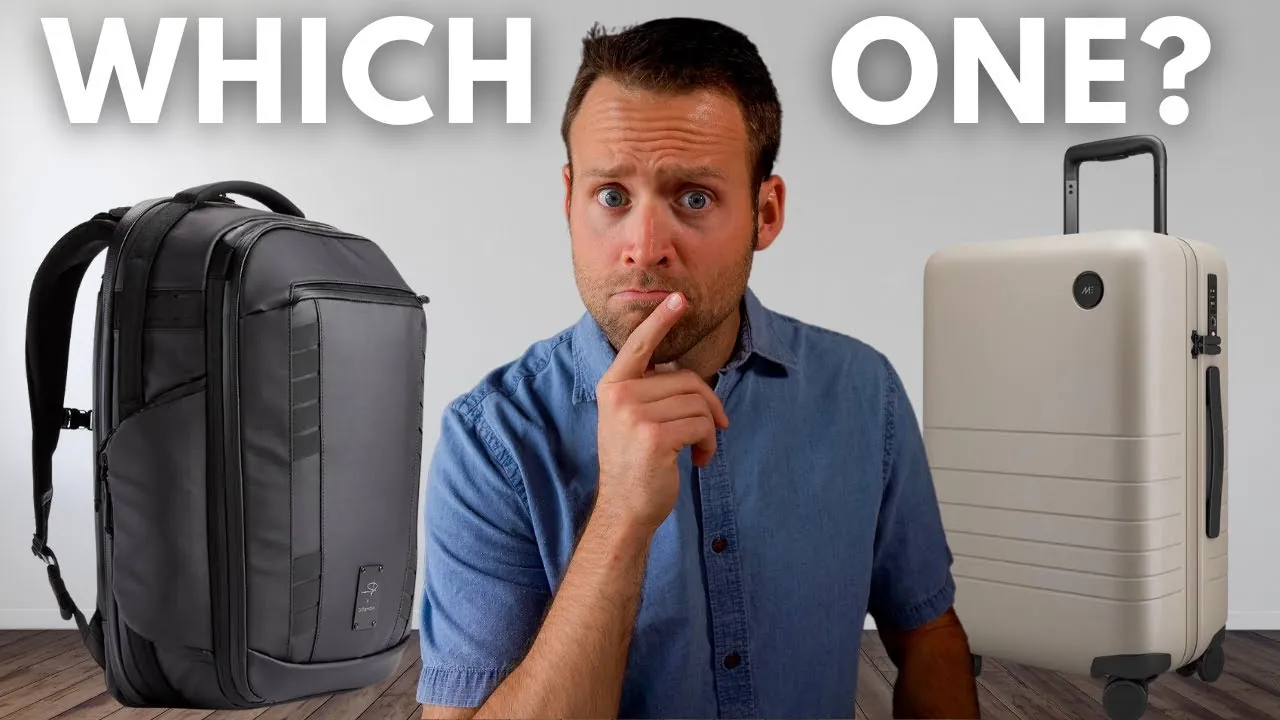
Airlines classify bags into two categories: a primary carry-on and a smaller personal item. Your primary bag must fit in the overhead bin, while your personal item must fit under the seat in front of you.
| Your situation | Answer | Why |
|---|---|---|
| Standard economy class | Yes | Most airlines allow one bag and one item |
| Budget airline (Basic) | Sometimes | Some charge extra for overhead bin access |
| Regional small jets | No | Limited space often forces gate checking |
| Business/First class | Yes | Higher allowance usually applies |
| International long-haul | Yes | Standard rules apply for most major carriers |
| Full flight capacity | No | Overhead bins fill up quickly |
What determines your baggage allowance
The primary factor determining if you can bring both items is the airline’s specific baggage policy. While many legacy carriers allow one carry-on and one personal item, low-cost carriers often restrict passengers to a single small bag unless they pay for an upgrade. Weight limits also vary significantly; some airlines enforce a total weight limit for both items combined, while others only weigh checked bags. You must verify these limits before heading to the airport, as penalties for oversized bags at the gate can be high. If you’re flying on a small regional aircraft, the physical size of your backpack might prevent it from fitting under the seat, forcing you to check it. If the airline allows a personal item, then you can bring the backpack; if they restrict passengers to one cabin bag total, then you can’t bring both without paying a fee.
Procedures for boarding with two bags
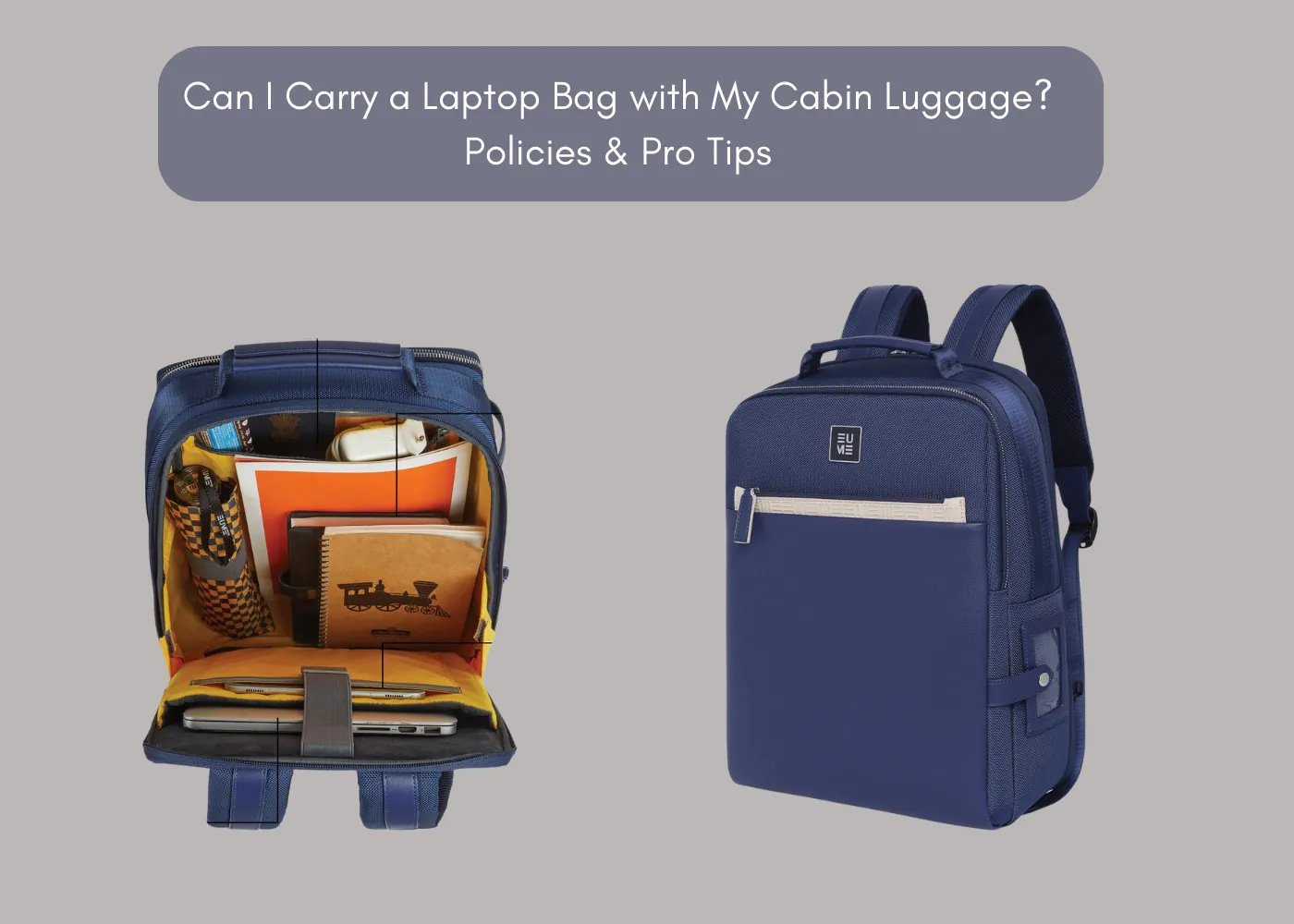
If your airline permits two items, follow these steps to ensure a smooth boarding process:
- Measure your backpack: Ensure it fits within the dimensions provided by the TSA carry-on bag guidelines, which typically require it to be small enough to slide under a seat.
- Pack the heavy items: Place your heaviest belongings in the larger carry-on bag to keep your backpack lightweight and easy to carry.
- Verify the weight: Weigh both bags on a home scale to ensure they don’t exceed the airline’s total allowance, often between 15 and 22 pounds.
- Organize for security: Keep your liquids and electronics accessible in your backpack so you can remove them quickly during the security screening.
- Board early: Secure your spot in the overhead bin by boarding in your assigned group to ensure your larger bag stays nearby.
The common mistake with baggage weight
The most frequent error is assuming that “carry-on” means there’s no weight limit. While many US-based airlines don’t weigh cabin bags, many international carriers strictly enforce a total combined weight limit of 7 to 10 kilograms. Exceeding this limit often results in your bags being moved to the cargo hold at a significant cost. You can avoid this by checking the specific “Cabin Baggage” section on your airline’s website before you pack. If you’re unsure, weigh your bags at home to ensure you stay within the allowed range for your specific ticket class.
When to seek professional assistance
You should stop trying to manage your luggage yourself and ask for help at the check-in desk if:
- Your bags are clearly too large for the overhead bin or the space under the seat.
- You’re physically unable to lift your bags into the overhead compartment without assistance.
- The airline staff flags your bags as exceeding the cabin size limits during boarding.
- You need to transport restricted items that require special handling or documentation.
If you face these issues, professional airline staff can arrange for gate-checking or provide information on excess baggage fees.
Frequently asked questions
Photo: arcaofficial.com on Google
Can I take a backpack and carry on luggage on international flights?
Yes, most international airlines allow one carry-on and one personal item, provided both meet the specific size requirements. You must check the airline’s website for the exact dimensions allowed for your ticket type.
Is it safe to put my backpack in the overhead bin?
Yes, it’s safe to place your backpack in the overhead bin if the seat under you is already full. You should ensure no fragile items are in the bag before placing it in the bin.
How long does it take to clear security with two bags?
It typically takes 10 to 20 minutes to clear security with two bags, assuming you have removed your liquids and electronics. You can speed this up by organizing your items in a single, accessible layer.
What happens if my backpack is too big for the seat?
If your backpack is too big, the airline may force you to check it into the cargo hold. This often happens on smaller aircraft where under-seat space is very limited for passengers.
Does it matter if my backpack has a laptop inside?
Yes, it matters because security requires you to remove laptops larger than a standard tablet for separate screening. You should place your laptop in a spot where you can reach it in under 30 seconds.
Why do some airlines charge for a second bag?
Airlines charge for a second bag to manage cabin space and encourage faster boarding times. This fee varies by route and airline, so check your booking portal for the exact cost for your flight.
Can I bring a backpack and a rolling suitcase?
Yes, you can bring both if the rolling suitcase is your carry-on and the backpack is your personal item. Ensure the backpack fits under the seat to satisfy the airline’s cabin space rules.
Conclusion
You should first check the baggage policy on your airline’s mobile app or website to confirm your allowance. If your bags meet the listed dimensions, you can proceed with both; if you can’t lift your bags into the bin, seek assistance from the flight crew immediately.