
The standard for the biggest backpack you can take on a plane as a carry-on is 22 x 14 x 9 inches (56 x 35 x 23 cm). This total size includes wheels and handles, and it must fit inside the airline’s overhead bin or under the seat.
Essential carry-on size requirements
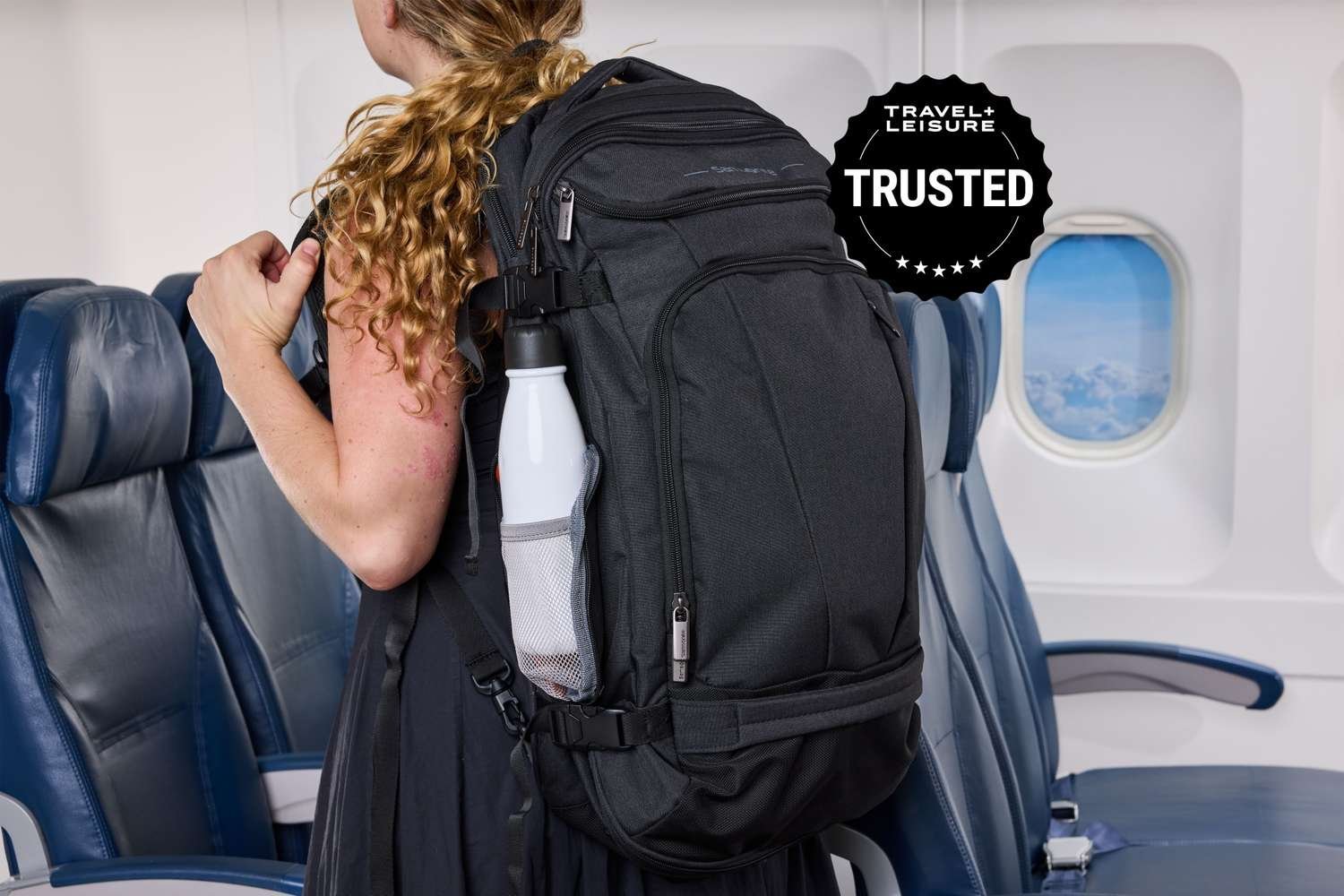
- Maximum dimensions are 22 x 14 x 9 inches for most major domestic airlines.
- Always check the specific policy on the airline’s website before you head to the airport.
- Your bag must fit into the metal sizing bin at the gate if a flight attendant asks.
- Weight limits often apply, typically ranging from 15 to 22 pounds, depending on the carrier.
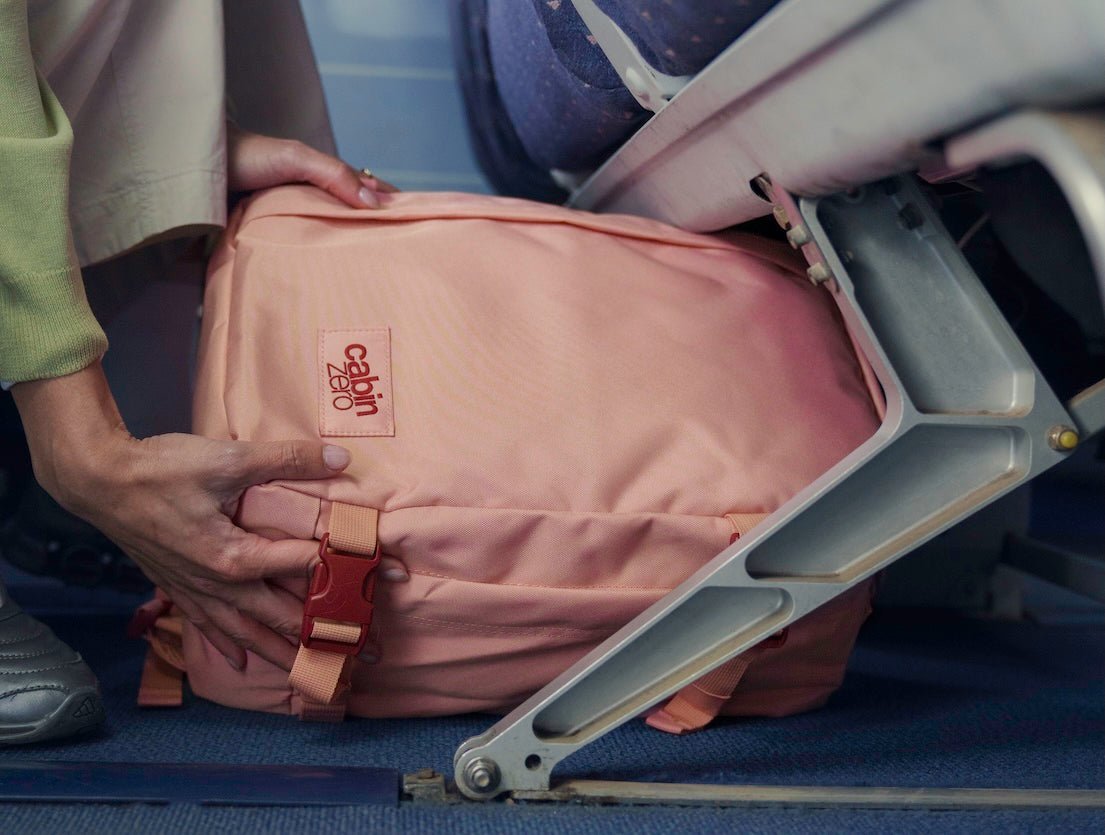
- Soft-sided bags are easier to squeeze into tight spaces than hard-shell luggage.
- If your backpack exceeds these dimensions, you’ll need to check it at the counter.
Why size limits exist on planes
Airlines set these limits to ensure every passenger can fit their belongings into the shared overhead bins. The physical capacity of the aircraft cabin is the main factor here, as bins have a fixed volume designed to hold a specific number of standard bags. If every traveler brought an oversized pack, the bins would overflow, causing delays during boarding and safety issues if bags can’t be secured properly.
These rules are set by individual airlines based on the physical capacity of their aircraft cabins. You can find the exact allowance for your specific flight by checking the “baggage allowance” section of your airline’s official website. If you’re flying on a smaller regional jet, the allowable size is often smaller than on a large transcontinental aircraft, so reading your specific ticket details is necessary to avoid gate-check fees.
When your backpack size changes
| Situation | What changes | What to do instead |
|---|---|---|
| Regional flights | Bin size is smaller | Use a 16-inch pack |
| International travel | Weight limits are stricter | Weigh bag before leaving |
| Budget carriers | Personal item limits | Pack a smaller daypack |
| Full flights | Overhead space is limited | Gate-check the backpack |
| Premium cabins | Allowance is more generous | Bring a larger bag |
How to measure your backpack for travel
- Place your empty backpack on a flat floor and ensure it isn’t stuffed with extra gear.
- Use a standard tape measure to record the height from the bottom wheels to the top handle.
- Measure the width at the widest point, usually including any side pockets or external water bottle holders.
- Measure the depth by checking the thickness from the back panel to the front of the pack.
- Add these three numbers together if your airline uses a total linear inch measurement, usually capped at 45 inches.
- Compress the bag if it’s slightly over, but don’t force it into the metal sizing frame.
The mistakes that ruin your trip
- Packing the bag to its absolute limit prevents it from squishing into the bin, which often forces a gate check.
- Ignoring the weight limit will cause problems at the counter, even if the bag fits the dimensions.
- Leaving loose straps dangling can cause the bag to get caught in airport machinery or bin latches.
- Forgetting to include the wheels and handles in your measurements will lead to an oversized bag.
Frequently asked questions
Can I bring a 40L backpack as a carry-on?
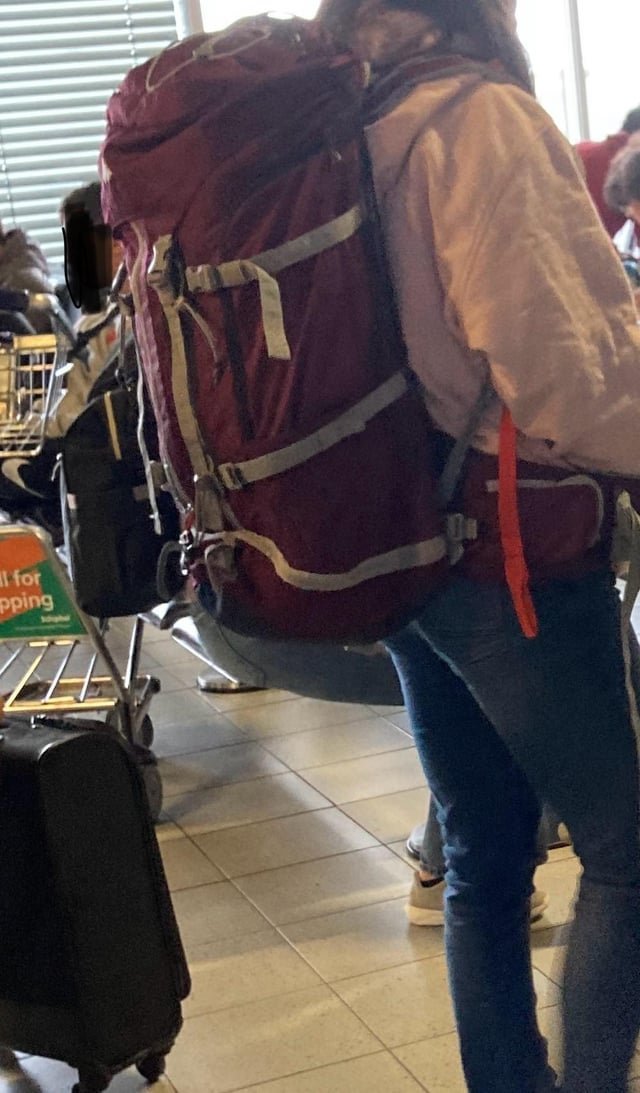
Yes, you can bring a 40L backpack as a carry-on if the dimensions don’t exceed 22 x 14 x 9 inches. Most 40L travel packs are designed to meet these specific limits, but you must avoid overstuffing the front pockets.
How do I know if my backpack is too big?
You know your backpack is too big if it doesn’t fit into the airline’s metal sizing frame at the boarding gate. Check the dimensions printed on your airline’s baggage page and compare them against the physical measurements of your bag.
Is it safe to put a laptop in my carry-on backpack?
Yes, it’s safe to keep your laptop in your carry-on backpack, and it’s usually required by security rules. Ensure the laptop is in a padded sleeve to protect it from pressure when the bag is stowed in the overhead bin.
What happens if my backpack is slightly oversized?
You’ll likely be asked to gate-check the bag if it’s slightly oversized, which may incur a fee. If the flight is full, the gate agent will have no choice but to send your bag to the cargo hold.
Does the personal item count toward my carry-on limit?
No, the personal item is a separate allowance, but it must be small enough to fit under the seat in front of you. Most airlines define this as a bag no larger than 18 x 14 x 8 inches for personal items.
How long can I keep my backpack on my back?
You can keep your backpack on your back as long as you’re moving through the terminal, but you must remove it once you reach your seat. Always stow it promptly to help the boarding process move along for other passengers.
Does it matter if my backpack is soft or hard?
It matters because soft backpacks are easier to fit into small spaces, whereas hard-shell packs have rigid dimensions. If you’re close to the limit, a soft-sided bag is the safer choice to ensure you can board without issues.
Conclusion
Choosing the right pack is about balancing your storage needs with the strict physical limits of the airplane cabin. Always verify your specific airline’s requirements before you arrive at the airport, as rules for budget carriers can be much tighter than those for major airlines.