
Yes, you can absolutely bring both a carry-on suitcase and a personal item like a backpack onto almost any commercial flight. Most major airlines allow passengers to board with one piece of luggage that fits in the overhead bin and one smaller item that must fit beneath the seat in front of them. This combination is the gold standard for travelers who want to avoid checked bag fees while maintaining enough capacity for a week-long trip.
Key Takeaways
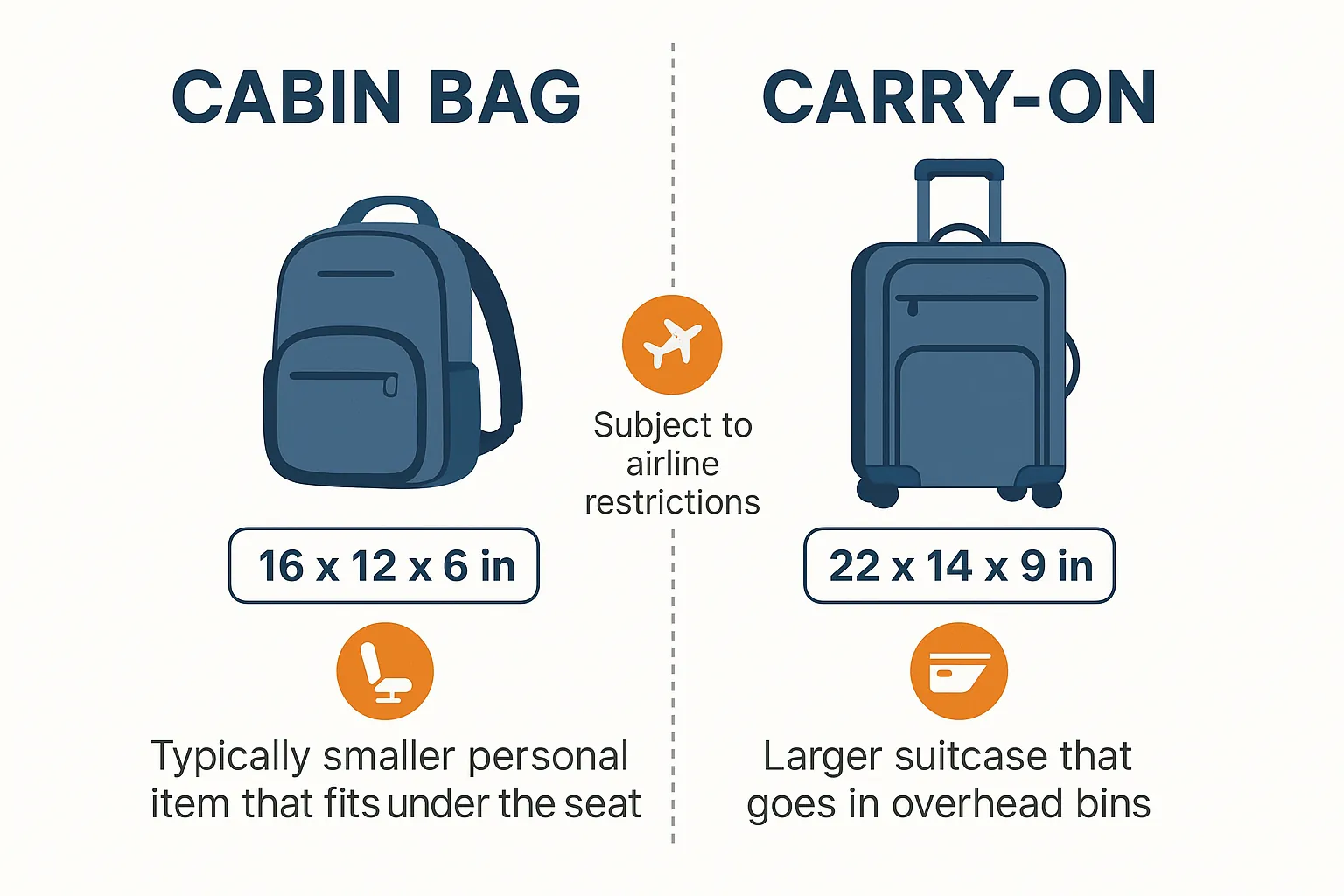
- Standard policies allow one carry-on bag and one personal item per passenger.
- Your backpack must fit under the seat, while the suitcase goes in the overhead bin.
- Always measure your bags against your specific airline’s size requirements before arriving at the airport.
- Budget carriers often have stricter weight limits and smaller size allowances than full-service airlines.
- Packing your heaviest items in your backpack can help you stay under carry-on weight limits.
Can You Have a Carry-on Suitcase and a Backpack?
The short answer is yes. In the world of aviation, this is classified as your “carry-on” and your “personal item.” The carry-on suitcase is designed for the overhead compartment, while the personal item (your backpack) is meant to be stored at your feet. This setup is permitted because it keeps the aisles clear and ensures that all passengers have space for their belongings.
Understanding Size and Weight Rules
Every airline sets its own baggage allowance policy. While the industry standard for a carry-on suitcase is roughly 22 x 14 x 9 inches, these numbers can fluctuate based on the carrier. Your backpack should generally be smaller, often falling within the 18 x 14 x 8 inch range to ensure it slides easily under the seat.
| Bag Type | Standard Purpose | Typical Storage Location |
|---|---|---|
| Carry-on Suitcase | Clothing and bulky gear | Overhead bin |
| Personal Item | Electronics, documents, snacks | Under seat in front |
Tips for Efficient Packing
To make the most of your two-bag allowance, keep your essential travel documents and medications in your backpack. If you’re forced to gate-check your suitcase due to a full flight, you’ll still have your necessities with you. Use packing cubes to compress your clothes inside the suitcase, which maximizes the available volume and keeps your items organized throughout your journey.
Managing Your Personal Item
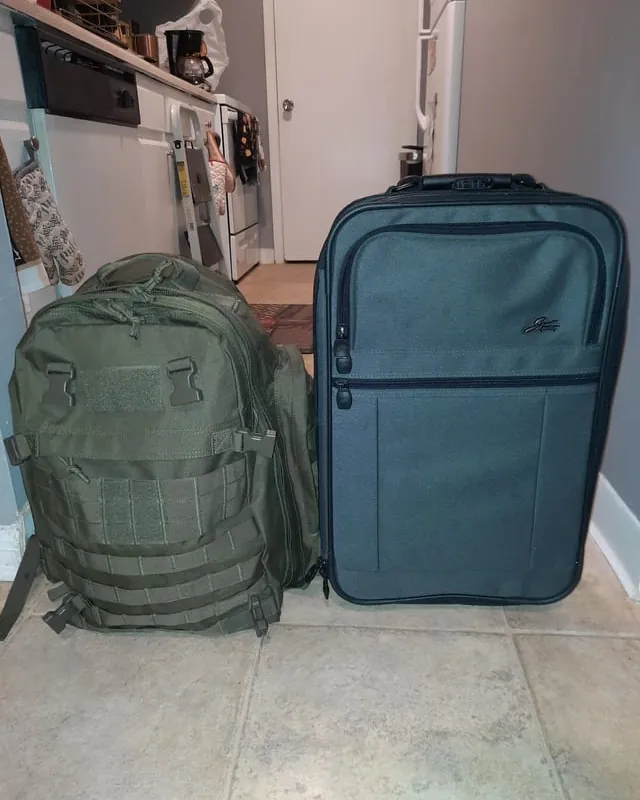
Your backpack should be considered your “day bag.” If you’re flying on a budget airline, they may strictly enforce the size of your personal item. Ensure your backpack isn’t overstuffed so it can be pushed under the seat if necessary. For those who travel with expensive gear, the U.S. Transportation Security Administration baggage guidelines provide specific rules on what you can pack in your carry-on versus what must be declared.
Avoiding Common Airport Pitfalls
One common mistake is bringing a suitcase that’s too heavy. Even if your bag fits the dimensions, some airlines have a maximum weight limit for carry-ons, typically between 15 and 22 pounds. If your suitcase is too heavy, the gate agent may require you to check it.
- Warning: Always weigh your suitcase at home using a luggage scale before heading to the terminal to avoid surprise fees.
Comparing Airline Baggage Policies
Not all airlines play by the same rules. Full-service carriers are generally more lenient, while ultra-low-cost carriers are aggressive about charging for any bag that doesn’t fit the sizer box.
| Airline Class | Carry-on Fee | Personal Item Fee |
|---|---|---|
| Full-Service | Included | Included |
| Budget Carrier | $30–$70 | Included |
| Basic Economy | $35–$80 | Included |
What If Your Bags Are Too Large?
If you arrive at the gate and your bags exceed the limits, you’ll likely be charged a fee to check them. This is often significantly more expensive than paying for a checked bag online in advance. To avoid this, use a soft-sided suitcase that has a bit of “give” if you’re worried about the dimensions.
Packing Strategy for Frequent Flyers
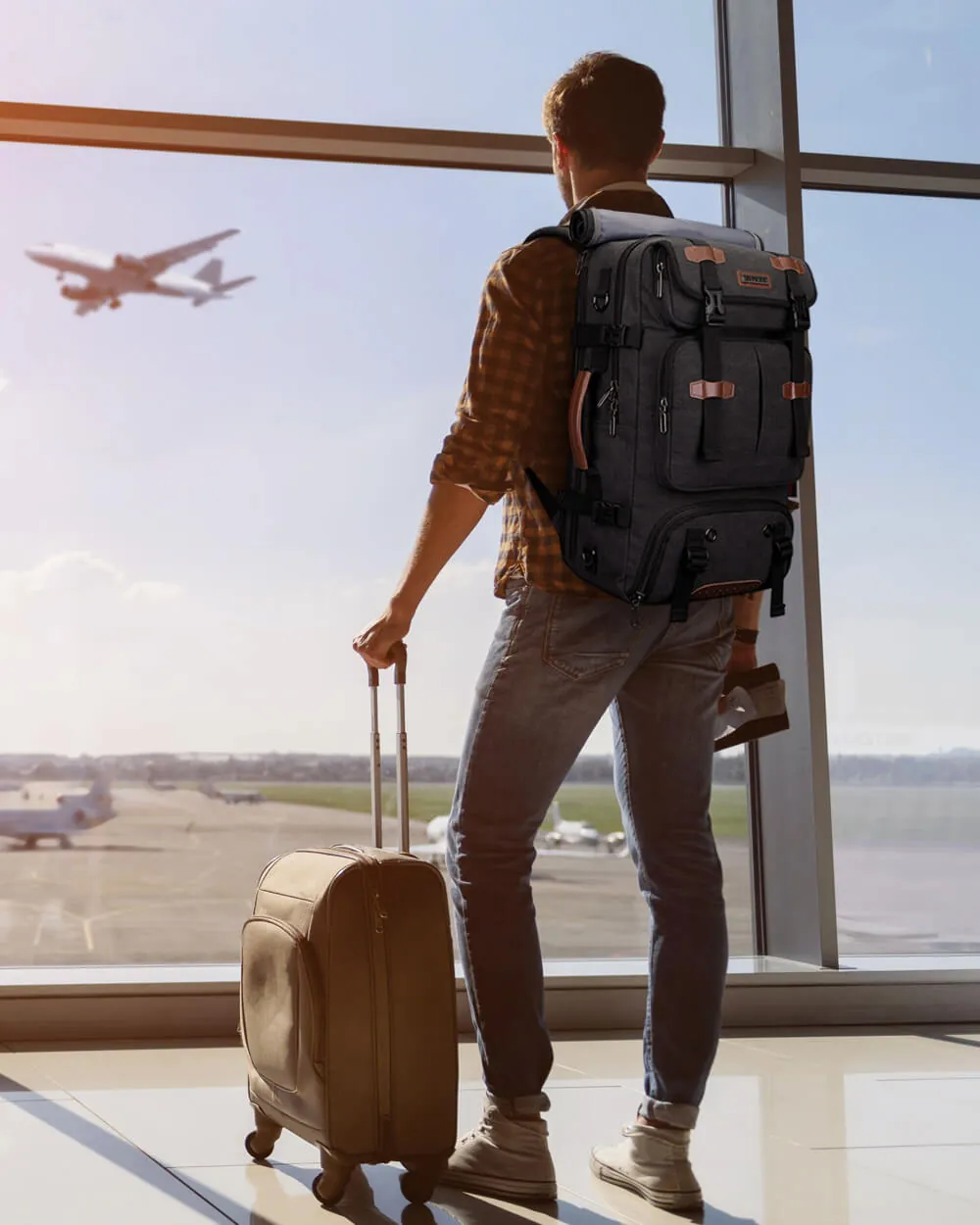
If you’re a frequent traveler, invest in a travel backpack that has a dedicated laptop sleeve and a trolley pass-through. This allows you to slide your backpack over the handle of your carry-on suitcase, making it much easier to navigate the airport.
- Pro Tip: Pack a lightweight, foldable tote bag in your backpack; you can use it to store extra items if you need to reorganize your luggage during the trip.
Frequently Asked Questions
Does a laptop bag count as a second item?
Yes, most airlines consider a laptop bag to be your personal item. If you’re already carrying a backpack, you must be able to fit the laptop inside that backpack to count it as one single personal item. Otherwise, the airline may force you to consolidate your bags or pay an additional fee for an extra piece of luggage at the gate.
What happens if the overhead bin is full?
If the overhead bin space is exhausted, the airline will offer to “gate-check” your carry-on suitcase for free. This means you leave your bag at the end of the jet bridge, and it’s placed in the cargo hold. You’ll then collect it at the baggage claim area or right outside the plane, depending on the specific airline’s policy.
Can I carry a duty-free bag as well?
Many airlines allow a duty-free shopping bag in addition to your carry-on and personal item. However, this policy varies significantly by carrier. It’s safest to assume that your duty-free items must fit inside your backpack or suitcase if you want to avoid being stopped at the boarding gate for having too many pieces of luggage.
Are there weight limits for personal items?
While many airlines don’t explicitly weigh personal items, they do have a “reasonable weight” expectation. If your backpack is clearly bulging and weighs 30 pounds, an agent may ask you to weigh it. Most airlines prefer your personal item to remain under 15 pounds, though this is rarely checked unless the bag looks cumbersome or dangerous to stow under the seat.
Do medical devices count towards my bag limit?
In the United States, medical devices and assistive equipment don’t count toward your carry-on allowance. You’re permitted to bring items such as CPAP machines, crutches, or oxygen concentrators in addition to your standard suitcase and backpack. It’s always recommended to notify the airline in advance if you’re bringing specialized medical equipment that requires extra care or cabin storage.
Conclusion
To ensure a smooth boarding process, spend ten minutes tonight measuring your bags and checking your specific airline’s website for their current dimensions. If your suitcase is slightly over the limit, consider wearing your heaviest coat and boots onto the plane to reduce your luggage weight and free up precious space inside your bag.