
Yes, you can absolutely bring both a backpack and a piece of carry-on luggage onto most commercial flights, provided both items comply with airline size and weight restrictions. Most major carriers allow passengers to bring one standard carry-on bag (often a rolling suitcase) plus one “personal item,” which is where your backpack fits into the equation. As long as your backpack can fit under the seat in front of you, it generally counts as your secondary allowance, allowing you to maximize your storage space without paying extra baggage fees.
Key Takeaways
- Confirm your airline’s specific size limits for carry-on bags and personal items before leaving for the airport.
- Ensure your backpack fits underneath the seat in front of you to qualify as a personal item.
- Pack heavy or essential items in your backpack to keep your rolling carry-on lighter and easier to lift.
- Check the TSA carry-on baggage guidelines to ensure your gear passes through security checkpoints.
- Verify your flight’s baggage policy, as ultra-low-cost carriers may charge fees for overhead bin access.
Understanding Carry-On Rules
Airlines classify your luggage into two distinct categories: the primary carry-on and the personal item. The primary carry-on is the bag you intend to store in the overhead bin. The personal item is the bag that must fit underneath the seat directly in front of you. Because a backpack is flexible, it’s the ideal candidate for a personal item.
Typical Size Constraints
| Item Type | Standard Size Range (Inches) | Location |
|---|---|---|
| Personal Item | 16 x 14 x 12 to 18 x 14 x 8 | Under-seat |
| Carry-on Bag | 21 x 14 x 9 to 24 x 16 x 10 | Overhead Bin |
Can You Have A Backpack And Carry On Luggage?
Yes, you can have a backpack and carry-on luggage simultaneously on virtually every major airline. The key is ensuring that the backpack qualifies as your personal item. If your backpack is oversized or if you’re flying on a ticket class that restricts carry-on access (such as basic economy on some domestic carriers), you might be forced to gate-check your larger bag. Always check the official airline website for dimensions before you depart to avoid surprise fees at the gate.
Optimizing Your Packing Strategy
When you carry two bags, you need a system to ensure you can move through the terminal efficiently. Place your essential travel documents, medications, and electronics in your backpack. This ensures that even if you’re forced to gate-check your rolling suitcase, your most important belongings stay with you at your feet.
Recommended Packing Distribution
- Backpack: Laptop, chargers, headphones, snacks, passport, and medications.
- Carry-on Luggage: Clothing, extra shoes, toiletries, and non-essential gear.
Managing Weight And Bulk
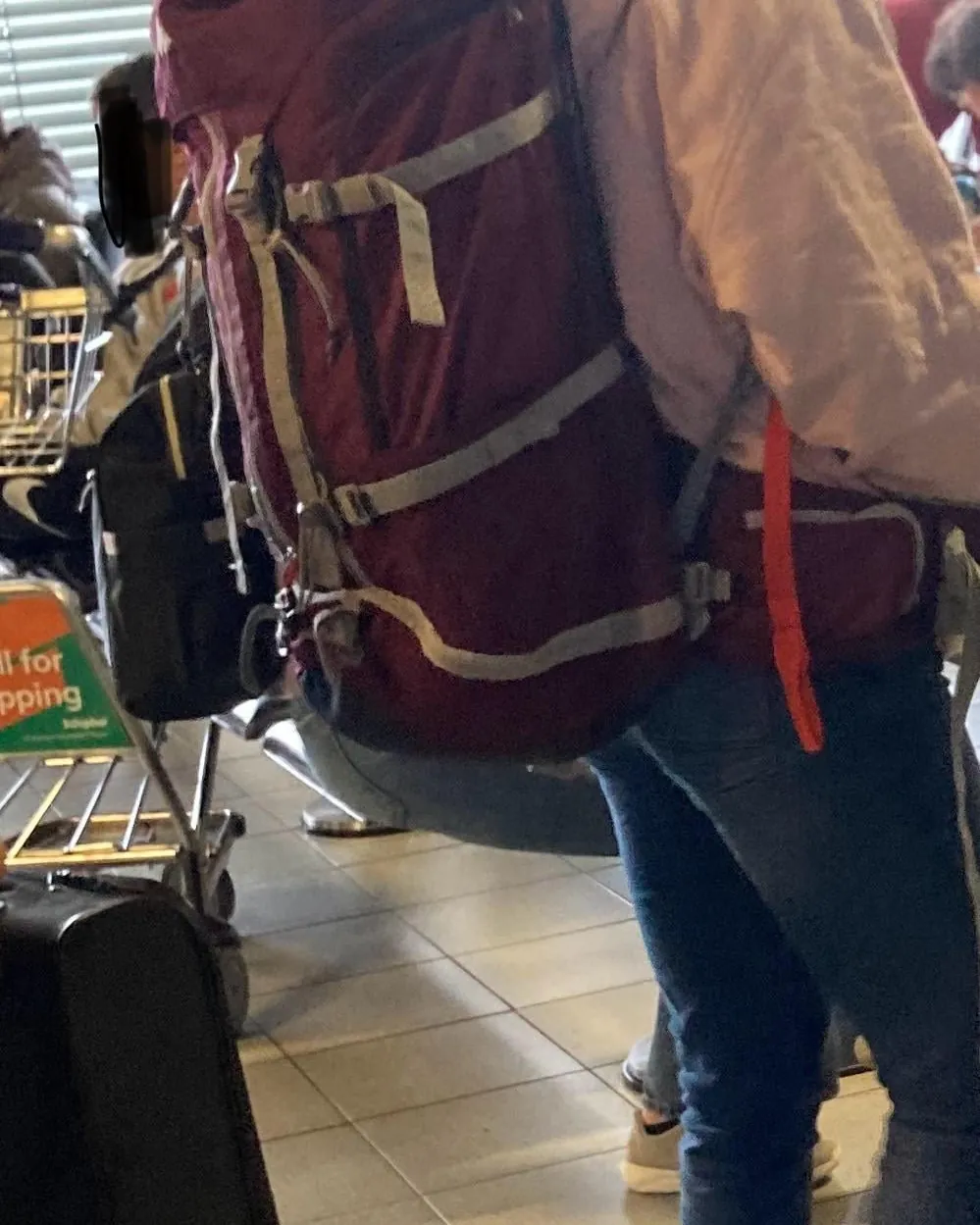
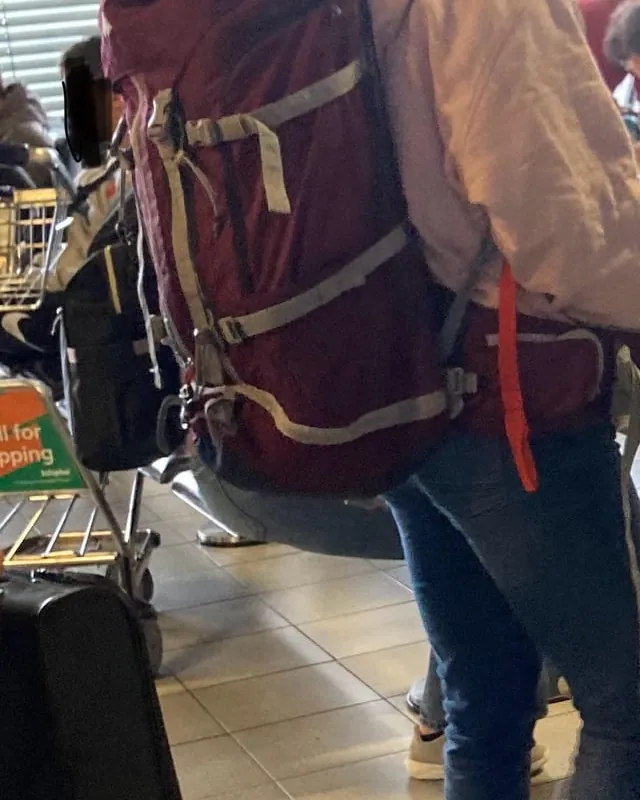
Warning: Don’t overstuff your backpack to the point where it becomes rigid or too wide to slide under the seat. If a flight attendant can’t push your bag completely under the seat, they may require you to move it to the overhead bin. If the bin space is full, you might be required to check the bag at the last minute, which can be stressful.
Choosing The Right Gear
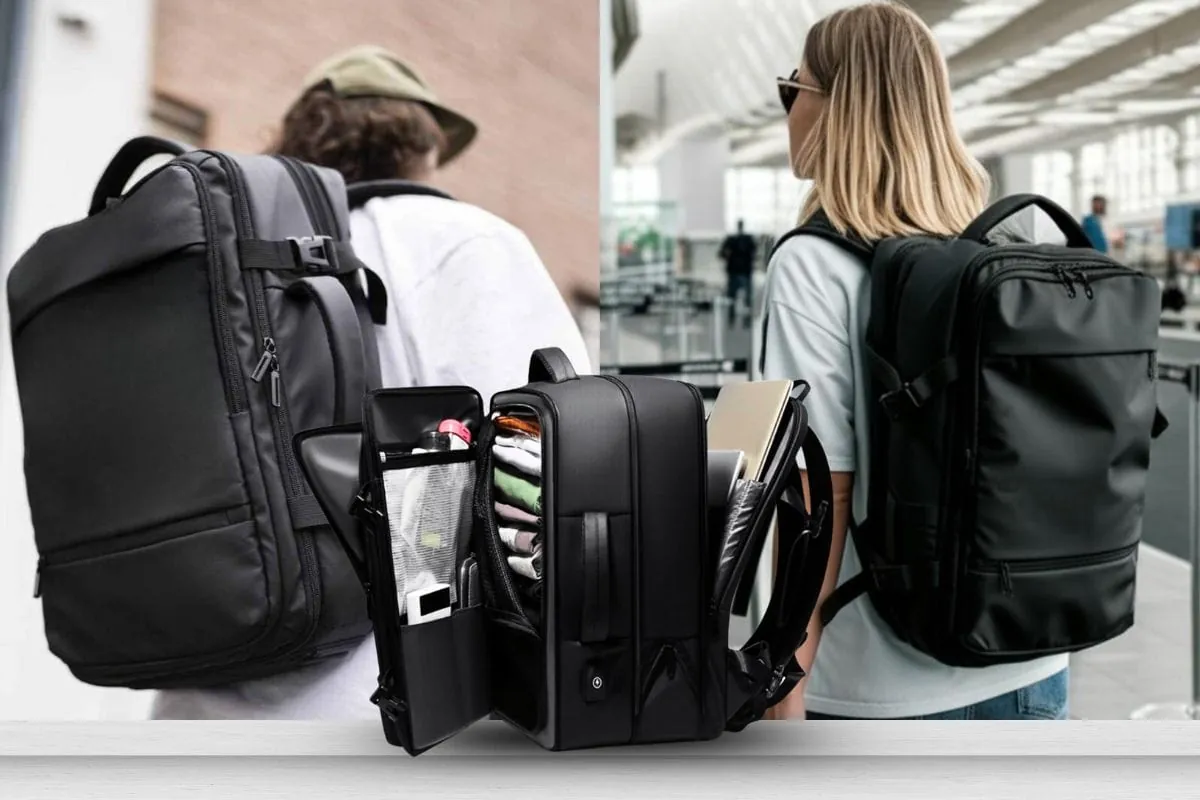
Not all backpacks are created equal. For travel, look for bags with dedicated laptop compartments and side pockets for water bottles. A backpack that opens like a suitcase, often called a “clamshell” design, makes packing significantly easier than a traditional top-loading school bag.
Navigating Security Checkpoints
When you reach the security line, you’ll need to place both your backpack and your carry-on luggage into the bins for screening. If you’re carrying a laptop, it must be removed from your backpack. Pro Tip: Wear slip-on shoes and keep your electronics in an easily accessible outer pocket of your backpack to speed up your transit through the security scanner.
Handling Ultra-Low-Cost Carriers
Some budget airlines operate with very strict policies regarding baggage. On these carriers, your ticket price may only cover a personal item. If you bring a carry-on suitcase, you’ll be charged a fee at the gate that’s often significantly higher than if you had purchased the baggage allowance online in advance. Always review your booking confirmation email to verify exactly what is included in your fare.
Troubleshooting Common Issues
If you find that your backpack is too heavy, try wearing your heaviest items, such as a jacket or boots, while boarding the plane. Airlines don’t count the weight of the clothing you’re wearing against your carry-on allowance. If you’re struggling with space, use compression packing cubes to reduce the volume of your clothes inside your carry-on suitcase.
Frequently Asked Questions
Does my backpack count as a carry-on?
Usually, no. Most airlines distinguish between a carry-on bag, which goes in the overhead bin, and a personal item, which goes under your seat. A backpack is almost always categorized as your personal item. However, if your backpack is exceptionally large, an airline agent might classify it as your primary carry-on, leaving you with no space for a second rolling suitcase.
What happens if my backpack is too big?
If your backpack exceeds the dimensions for a personal item, the airline may require you to check it. This often results in a checked baggage fee, especially if you have already brought a carry-on suitcase. To avoid this, measure your bag while it’s fully packed to ensure it meets the airline’s specific dimensions for under-seat storage.
Do I have to pay for both bags?
Most standard airline tickets include one carry-on and one personal item for free. However, basic economy tickets on some airlines restrict you to only a personal item. If you have a basic economy ticket, you’ll likely have to pay a fee to bring a carry-on suitcase, while the backpack remains free. Always verify your specific fare class rules before arriving.
Can I carry a laptop inside my backpack?
Yes, you’re permitted to carry a laptop inside your backpack. During the security screening process, you’ll typically be required to remove the laptop from your bag and place it in a separate bin. Ensure your laptop is well-protected in a padded sleeve within your backpack to prevent damage during the travel process and the security screening procedure.
Is a purse considered a personal item?
Yes, a purse, briefcase, or small backpack is generally considered a personal item. You’re allowed to carry one carry-on bag and one personal item. If you have a purse and a backpack, the airline may ask you to consolidate them into one bag so that you only have two items total. Always aim to consolidate your belongings before reaching the boarding gate.
Conclusion
Efficient travel depends on your ability to manage your luggage effectively. By using a standard-sized backpack as your personal item and a wheeled suitcase as your carry-on, you can maximize your packing capacity while staying within airline regulations. Always double-check your airline’s specific baggage policy before heading to the airport to ensure a smooth, stress-free boarding experience.