
Yes, you can absolutely bring a backpack as a carry-on item for almost any flight, provided it fits within the specific dimensions dictated by your airline. Airlines generally classify a backpack as a “carry-on bag” if it’s placed in the overhead bin, or as a “personal item” if it’s small enough to be stowed under the seat in front of you. Most domestic flights allow one carry-on and one personal item, making a backpack an ideal choice for either role.
Key Takeaways
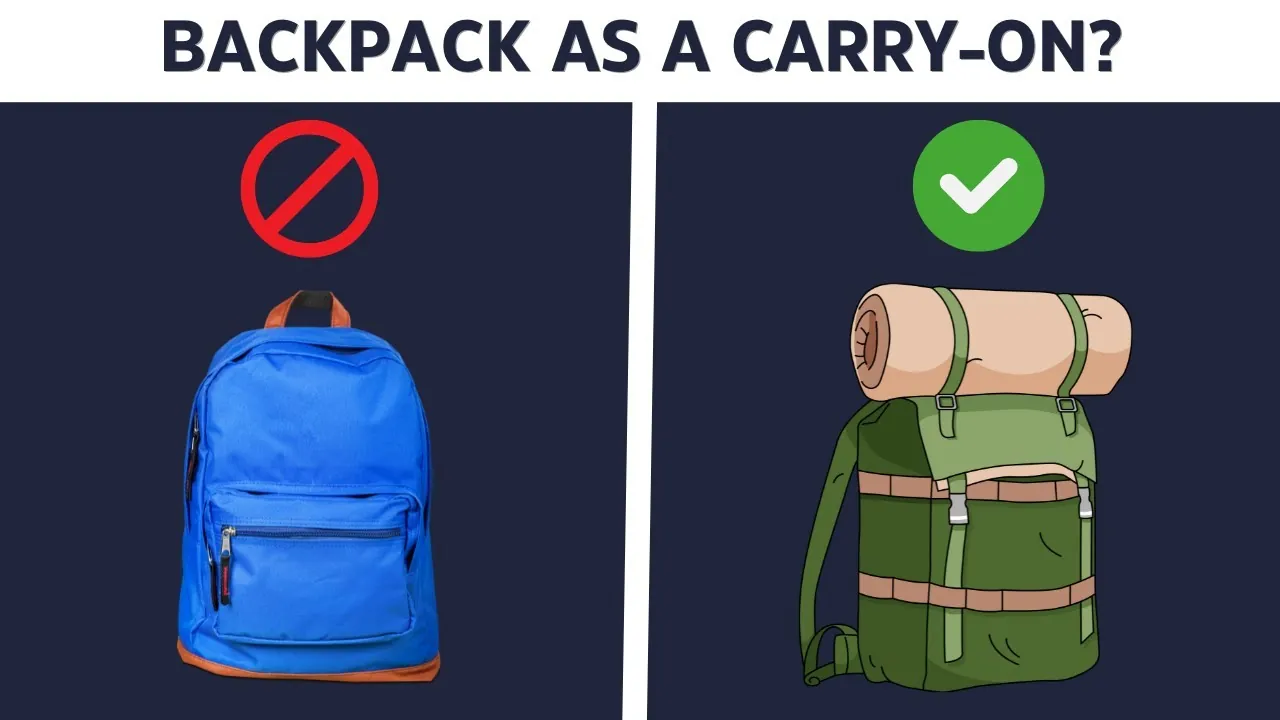
- Ensure your backpack fits the standard carry-on dimensions, which typically range from 22 x 14 x 9 inches.
- Distinguish between a carry-on (overhead bin) and a personal item (under-seat storage) to avoid extra fees.
- Pack heavy or essential items like electronics and medications in your backpack for easy access.
- Check your specific airline’s baggage policy before heading to the airport to confirm size limits.
- Use compression packing cubes to maximize the internal volume of your bag without increasing its footprint.
Can You Have a Backpack as Carry-on?
You can certainly use a backpack as your primary carry-on luggage. Many modern travel backpacks are designed specifically to meet the strict size requirements set by major carriers. If your backpack is large, it will take up your overhead bin allotment.
If it’s compact, it often qualifies as a personal item, which is usually free of charge on most major airlines. Always verify that your bag doesn’t exceed the weight limits, which often range from 15 to 40 pounds depending on the carrier and ticket class.
Understanding Size and Weight Limits
Airlines enforce size limits to ensure that all luggage fits safely within the aircraft cabin. When measuring your backpack, include the straps, side pockets, and any external frames in your calculation. If the bag is overstuffed, it may not fit into the airline’s metal sizer frame, which could lead to a gate-check fee.
| Bag Type | Typical Dimensions (Inches) | Usual Storage Location |
|---|---|---|
| Personal Item | 17 x 10 x 9 | Under the seat |
| Standard Carry-on | 22 x 14 x 9 | Overhead bin |
| Large Travel Pack | 24 x 16 x 10 | Checked baggage |
Recommended Backpack Brands and Models
When selecting a bag, prioritize durability and organizational features. Frequent travelers often prefer brands that offer clamshell openings, which allow the bag to open flat like a suitcase. This makes security screening much faster and packing significantly more efficient.
- Osprey Farpoint 40: A versatile travel pack that hits the sweet spot for overhead bin storage.
- Peak Design Travel Backpack: Highly customizable with internal dividers for photography gear and tech.
- Cotopaxi Allpa 35L: Known for its durable exterior and excellent internal organization compartments.
- Aer Travel Pack 3: Sleek, professional design that fits easily into most business-class cabins.
- Patagonia Black Hole Pack: Water-resistant and extremely rugged for adventure-focused travelers.
Tips for Packing Your Backpack
Efficiency is the secret to a stress-free travel experience. Start by placing your heavy items at the bottom of the main compartment to keep the center of gravity low. Use the smaller exterior pockets for your travel documents and liquids to ensure they’re accessible during security checks.
Warning: Never pack prohibited items like large containers of liquid or sharp objects in your carry-on backpack, as these will be confiscated by airport security. Always consult the Transportation Security Administration guidelines to confirm which items are permitted in the cabin.
Security Screening and Your Backpack
Passing through security with a backpack is generally straightforward. If your bag contains a laptop or tablet, be prepared to remove these devices and place them in a separate bin. If you’re using a TSA-precheck lane, you may be able to leave these electronics inside your bag, but this depends on the specific scanning equipment used at the checkpoint.
Comparing Carry-on Versus Personal Item
Choosing between a carry-on and a personal item depends on your trip length and airline fare. Budget airlines often charge significantly more for overhead bin space, so keeping your backpack small enough to fit under the seat is a smart way to save money.
| Feature | Personal Item | Carry-on Bag |
|---|---|---|
| Cost | Usually free | Often incurs a fee |
| Capacity | Small (20-25L) | Large (35-45L) |
| Location | Under the seat | Overhead bin |
Troubleshooting Common Backpack Issues
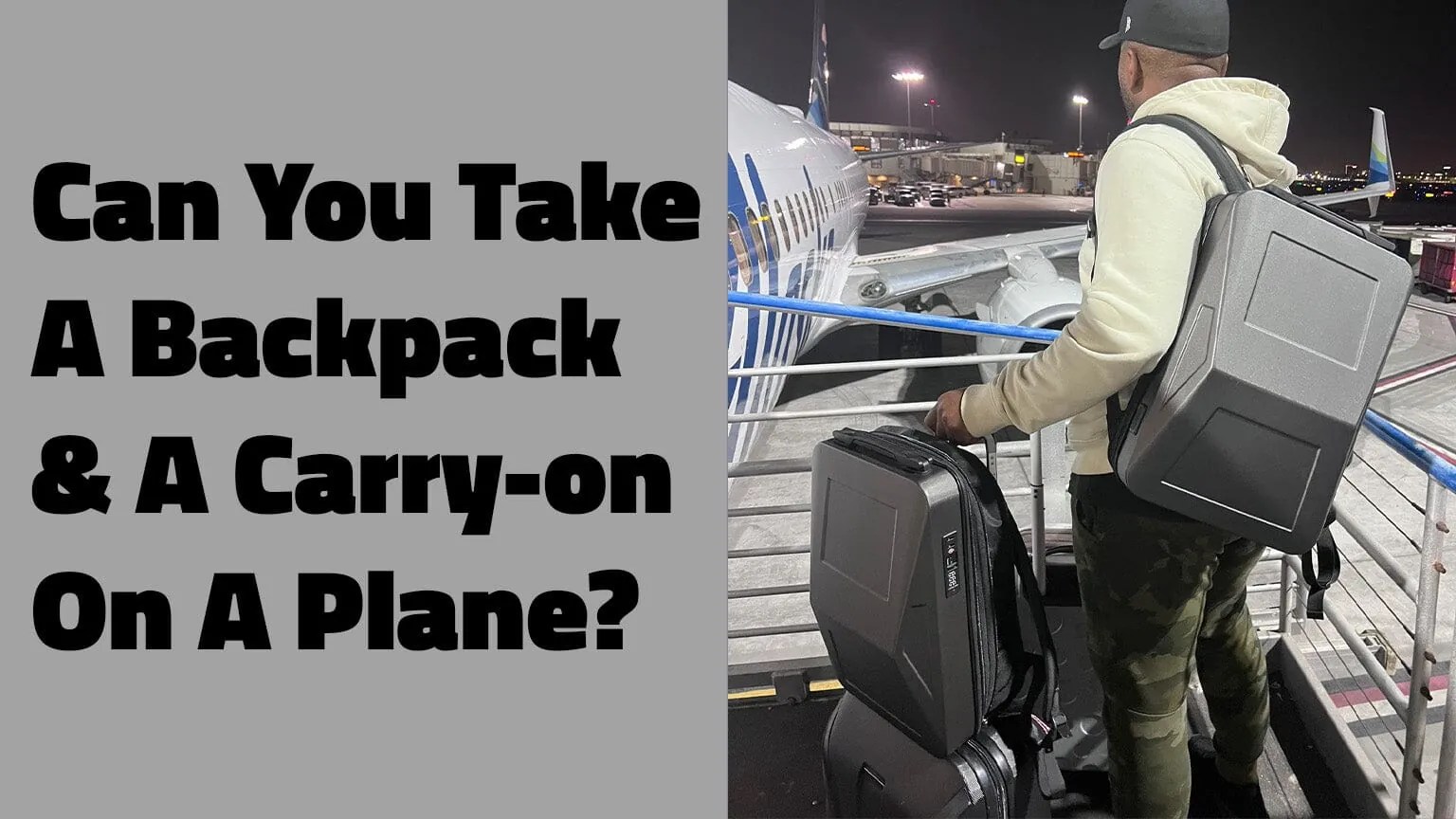
If your backpack is slightly too large, don’t panic. Simply remove some of the bulkier items and wear your heaviest coat or boots while walking through the boarding gate. If the gate agent flags your bag, you might be forced to check it; therefore, always keep your essential medications and valuables in a smaller, removable pouch that you can keep with you if the bag must be surrendered.
Pro Tip: If you’re worried about your bag’s size, use a soft-sided backpack rather than one with a rigid frame, as soft bags can be compressed slightly to fit into tight spaces.
Frequently Asked Questions
Does a backpack count as a carry-on?
Yes, a backpack counts as a carry-on if it meets the airline’s size requirements for overhead bin luggage. If it’s small enough to fit entirely under the seat in front of you, it’s typically classified as a personal item, which is a separate allowance.
Can I bring two backpacks on a plane?
You can bring two backpacks if one qualifies as your carry-on and the other as your personal item. However, you must ensure the combined weight and size of both bags don’t exceed the airline’s specific limits for your ticket class.
What if my backpack is too big?
If your backpack exceeds the dimensions allowed, the airline may require you to check it at the gate. This often incurs a fee, especially on budget carriers. To avoid this, measure your bag carefully before leaving for the airport and ensure it isn’t overstuffed.
Are laptop backpacks allowed as carry-ons?
Yes, laptop backpacks are perfectly acceptable as carry-ons. Most airlines encourage travelers to keep expensive electronics like laptops, cameras, and tablets in the cabin with them rather than in checked luggage to prevent damage or theft.
How do I measure my backpack?
Measure the height, width, and depth of your backpack while it’s fully packed. Include any protruding parts like external water bottle pockets, straps, or rigid frames. Compare these total measurements against the specific baggage policy found on your airline’s website to ensure compliance.
Conclusion
Before your next journey, double-check your airline’s specific dimensions, as they can change based on the aircraft type and your destination. By choosing a versatile, appropriately sized bag and keeping your essentials organized, you can breeze through the airport with confidence. Pack light, keep your important items accessible, and you’ll be ready for any adventure that awaits at your destination.