
Yes, you can absolutely fly with both a carry-on bag and a personal item backpack on almost every major airline, provided you adhere to specific size and weight restrictions. Most carriers allow one standard carry-on suitcase that fits in the overhead bin and one smaller “personal item” that must fit underneath the seat in front of you. While policies vary by airline, this dual-bag strategy is the most efficient way to maximize your packing capacity without incurring checked baggage fees.
Key Takeaways
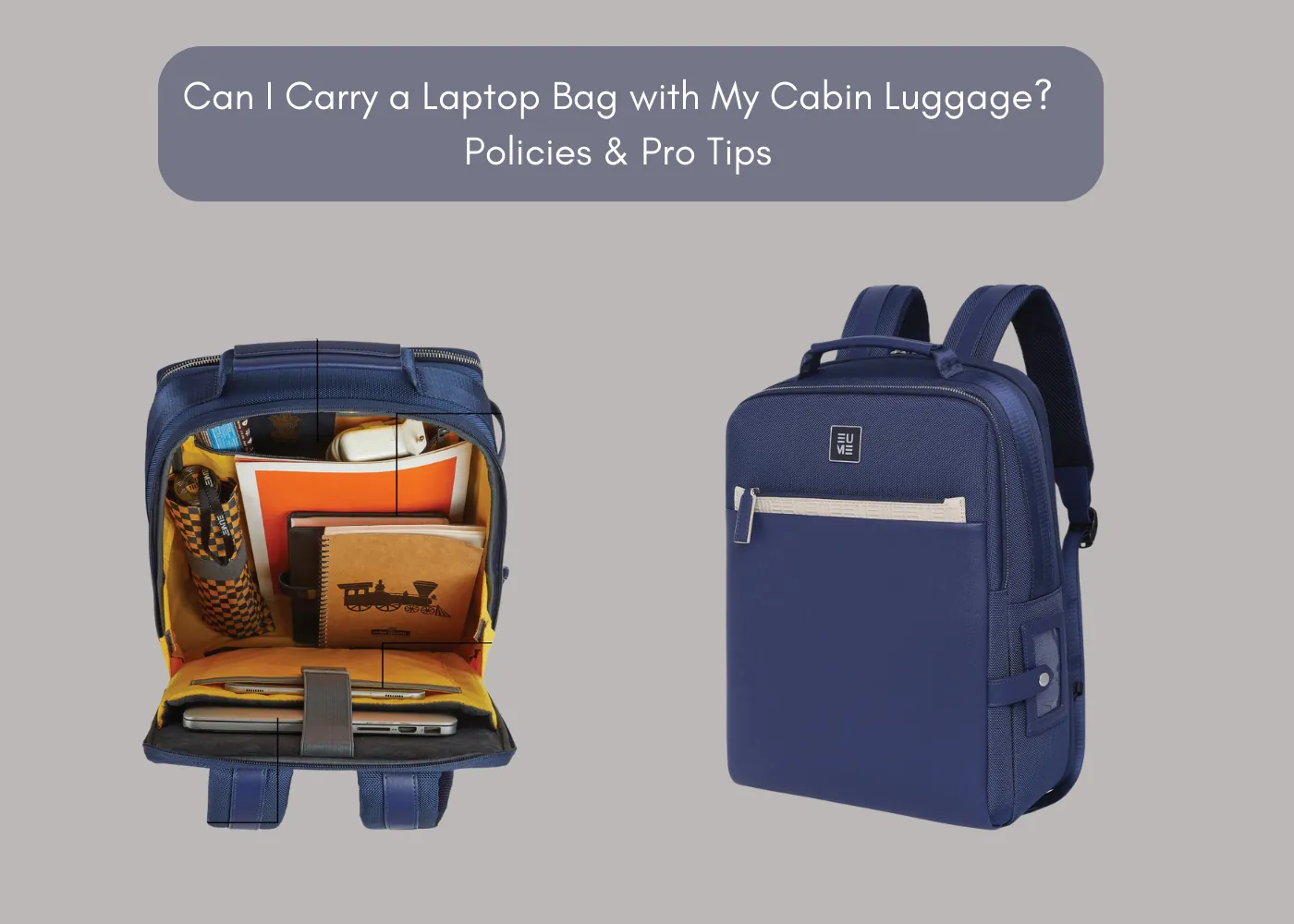
- Check your airline’s specific size dimensions for both carry-on and personal items before heading to the airport.
- Ensure your backpack fits fully beneath the seat to avoid being forced to gate-check your luggage.
- Keep your essential documents, medications, and electronics in your backpack for easy access during the flight.
- Weight limits for carry-ons typically range from 15 to 35 pounds, depending on the carrier and ticket class.
- Consolidate smaller items into your backpack to keep your primary carry-on within the required overhead bin weight.
Understanding Airline Baggage Policies
Most airlines follow a standard “one plus one” rule for passengers in economy class. You’re generally permitted one piece of carry-on luggage—which is usually a rolling suitcase—and one personal item, such as a backpack, laptop bag, or large purse. The primary rule is that the personal item must be small enough to slide completely under the seat in front of you.
Pro Tip: If you’re flying with a budget carrier, check your ticket type, as some “Basic Economy” fares may restrict you to only one personal item and require you to pay extra for overhead bin access.
Carry-On and Personal Item Comparison
| Item Type | Typical Location | Size Constraint |
|---|---|---|
| Carry-On Suitcase | Overhead Bin | 22″ x 14″ x 9″ |
| Personal Item | Under Seat | 18″ x 14″ x 8″ |
Can You Fly With A Carry On And Backpack?
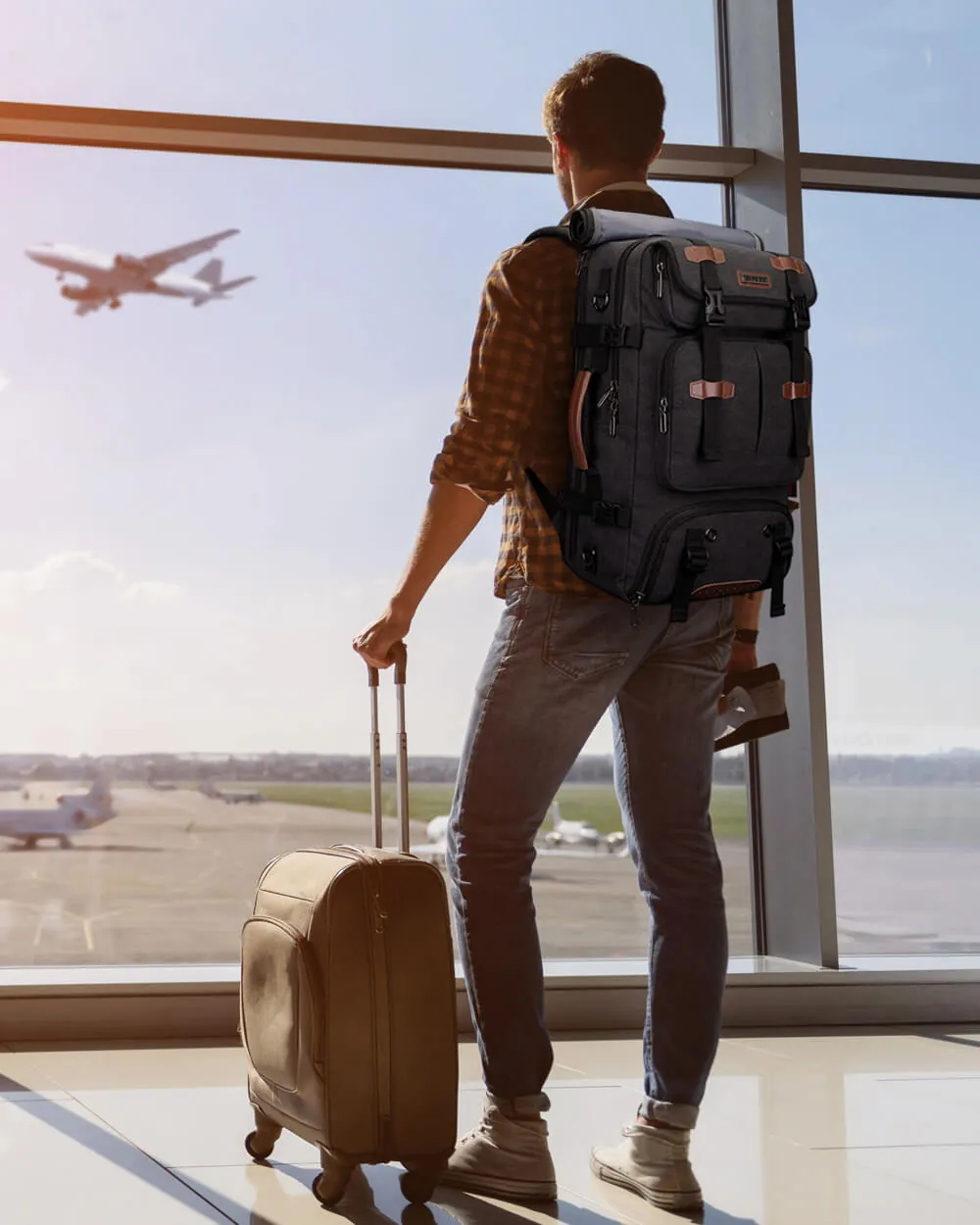
The short answer is yes. You’re permitted to bring both items as long as they meet the carrier’s published requirements. If your backpack is oversized, the gate agent may require you to check it, which could result in unexpected baggage fees. Always measure your backpack while it’s fully packed to ensure it doesn’t bulge beyond the allowed dimensions.
Managing Your Backpack Weight
While many domestic airlines in the United States don’t strictly weigh carry-on bags, international carriers are often much stricter. If your backpack is packed with heavy items like camera gear or thick books, you might exceed the typical limit of 15 to 35 pounds. According to the Transportation Security Administration carry-on guidelines, you must be able to lift your own bag into the overhead bin if you choose to place it there rather than under your seat.
Essential Packing Strategy
To make the most of your two-bag allowance, pack your suitcase with your clothing and toiletries, and reserve your backpack for items you need during transit. This includes your laptop, chargers, headphones, snacks, and travel documents. Keeping these items in your backpack ensures you have everything you need at your fingertips without rummaging through your overhead suitcase.
Warning: Don’t overstuff your backpack to the point where it becomes rigid; a flexible bag is much easier to squeeze into tight under-seat spaces on smaller regional aircraft.
Best Practices For Smooth Boarding
- Wear your heaviest items: If your backpack is heavy, wear your bulky jacket or boots through security to save space and weight.
- Use packing cubes: These help compress your clothes, allowing you to fit more into your carry-on suitcase.
- Keep liquids accessible: Ensure your liquids bag is at the top of your backpack for quick removal at the security checkpoint.
- Organize your tech: Use a dedicated tech pouch for cables and chargers so they don’t get tangled.
How To Handle Tight Connections
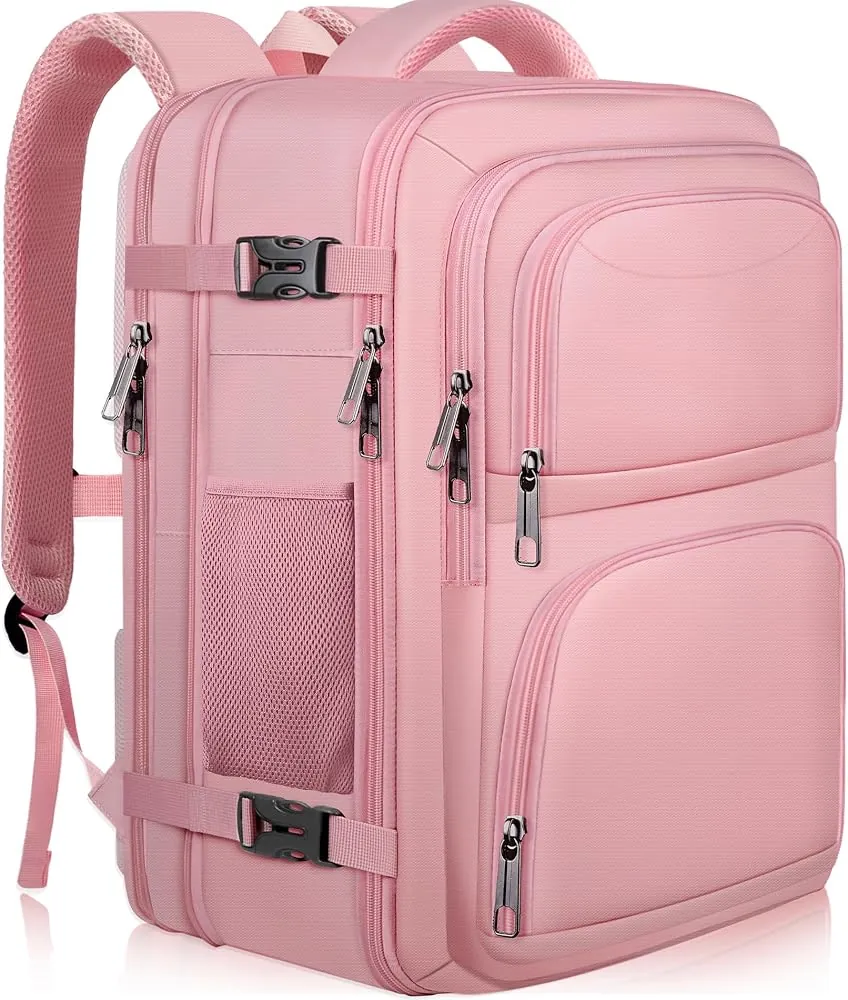
If you have a short layover, having your backpack easily accessible is vital. If your carry-on suitcase is forced into the overhead bin, you might not be able to reach it quickly. By keeping your backpack under the seat, you ensure that even if you have to deplane in a hurry, you have your most important possessions with you at all times.
Frequently Asked Questions
Does a backpack count as my personal item?
Yes, a backpack is almost always categorized as a personal item, provided it’s small enough to fit under the seat in front of you. If you bring a very large hiking backpack, the airline may classify it as your carry-on instead, meaning you would have to check your suitcase. Always confirm the dimensions against your airline’s specific website requirements.
What happens if my bag is too big?
If your backpack is too large to fit under the seat or in the overhead bin, the airline will force you to gate-check it. This often comes with a fee, especially on low-cost carriers. In some cases, if the flight is full, they may gate-check it for free, but it’s better to measure your bag beforehand to avoid the risk of paying extra.
Can I bring a laptop bag plus a backpack?
Generally, no. Most airlines count your laptop bag as your personal item. If you have both a carry-on suitcase and a backpack, adding a third bag—like a laptop sleeve—will likely exceed your allowance. You should pack your laptop inside your backpack to keep your bag count at two. If you must carry three items, consider consolidating them into two larger bags.
Do weight limits apply to backpacks?
While many US-based airlines don’t weigh personal items, some international airlines have strict weight limits for all cabin baggage. If your backpack is extremely heavy, it could potentially be weighed at the check-in counter or the gate. It’s always safer to keep your total cabin weight within the range of 15 to 35 pounds to avoid any issues during your travels.
Is a “carry-on” the same as a “personal item”?
No, they’re distinct categories. A carry-on is the larger bag that goes in the overhead bin, while a personal item is the smaller bag meant for under the seat. You’re typically allowed one of each. Always check your specific ticket class, as some budget airlines limit you to only a single personal item unless you pay a fee for a carry-on.
Conclusion
Before you head to the airport, verify the specific dimensions on your airline’s official website, as these rules can change based on the aircraft type and your ticket class. Packing efficiently using a combination of a suitcase and a well-organized backpack will ensure a stress-free boarding experience. Now, double-check your bag measurements and start packing your items for your upcoming trip.